Grade A office spaces in India pick up, growth expected to reach 75 million sq ft by 2025
The flexible space segment will play a critical role in supporting occupiers’ growth objectives
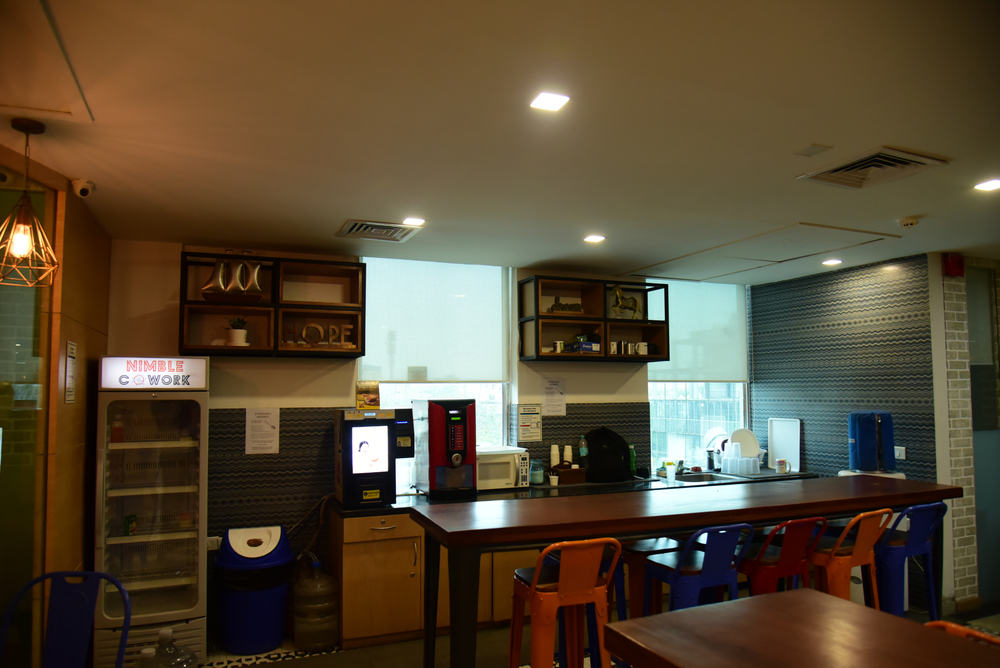
The commercial real estate (CRE) market in India is rapidly expanding. Despite difficulties in 2020 and 2021 due to pandemic-induced commercial establishment closures, the sector’s forecast for 2022 is strong. The increased demand from occupiers from various industries has aided the growth of India’s commercial property market, as reported by Financial Express.
With industrial real estate growing, the outlook for India’s CRE industry appears promising for the coming year. Furthermore, the government’s strong COVID-19 immunisation campaign across the country has led to a relaxation of social distance rules. As a result, employees are increasingly returning to their workplaces, driving demand for office space.
India’s office market has been recovering faster than any other sector following the impact of the pandemic.
According to a JLL study titled Reimagining, Reinventing, and Redefining Real Estate 2030, India’s Grade A office market across the top seven cities is expected to increase to more than 1 billion sq ft by 2026.
With operator-landlord collaborations developing superior office assets, the flexible office space market is likely to increase and become a mainstream occupier segment. As a result of the shift to a more distributed work model, occupiers will look for ways to make their portfolios more adaptable and tap into the talent pool in emerging urban centres.
More: Indian real estate sector experiences strong recovery during Q1 2022
The flexible space segment will play a critical role in supporting occupiers’ growth objectives. As a result, the flex market is predicted to double its footprint to 75 million sq ft across the top seven cities by 2025 and reach the 100 million sq ft mark by 2030.
According to the Neo-realty survey by MYRE Capital, which analysed the investment appetite of approximately 5000 NRIs across 13 countries, millennial investors are increasingly investing in CRE.
The Economic Times noted that CRE growth drivers for NRI investors include passive income for families, portfolio diversification, a lack of other safe choices, and tax-efficient profits. The top three investment centres for NRIs are properties in Bengaluru, Mumbai, and Pune, where office spaces remain the most sought-after asset and school spaces emerge as a new CRE asset.
The Property Report editors wrote this article. For more information, email: [email protected].
Recommended
What comes next for Southeast Asian real estate in 2026
From return-to-office realities to climate and tech disruptions, Southeast Asia’s residential markets are being reshaped by deeper forces

Foreign demand recalibrates in Southeast Asia housing markets
Even amid global headwinds, Southeast Asia’s property markets hold appeal for foreign buyers
Tariffs and turmoil test Singapore homes as suburbs hold firm
Foreign levies, regional wars, and buyer fatigue are putting pressure on the city-state’s housing market

Gulf luxury markets lure global capital amid policy shift
Gulf nations are shaking off a reputation for overt bling to lead a post-pandemic luxury boom