Chinese investments spike in the Philippines despite pandemic
The country’s manufacturing industry continues to be backed up by Chinese coins
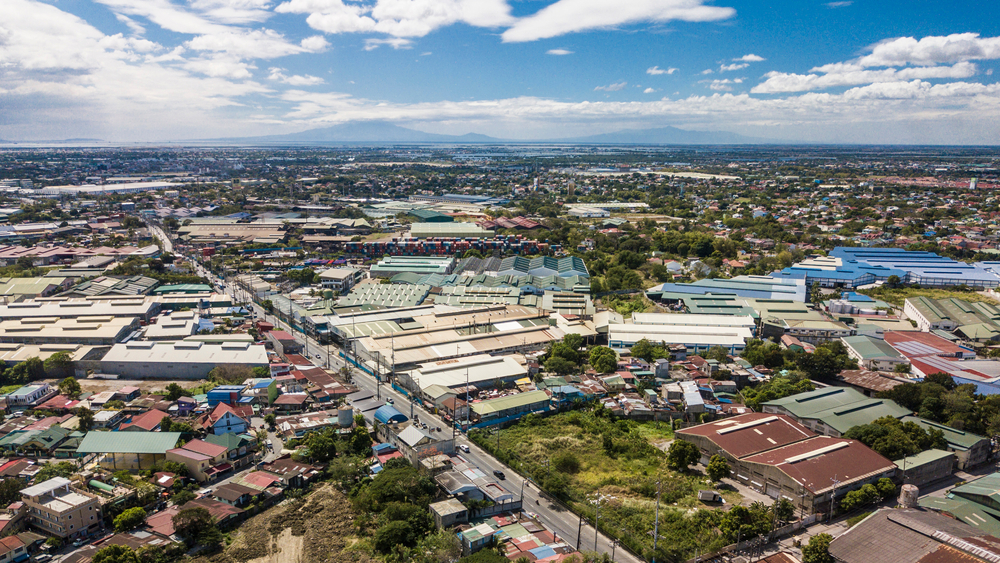
In the face of economies turned upside-down from the pandemic, Chinese Ambassador to Manila Huang Xilian stated that Chinese investments in the Philippines have in fact “surged”, mentioning the billions of dollars that have financed the steel manufacturing, as well as telecommunications industries, reported CNN Philippines.
Xilian said, “although the COVID-19 pandemic has inevitably exerted some adverse impact on international trade and investments…Sino-Philippine economic and trade exchanges have recently shown signs of warming up, demonstrating strong resilience and vitality.”
He added that Chinese firm Panghua Group is investing USD3.5 billion in constructing a steel manufacturing plant in Misamis Oriental. He expects this project, along with the hiring of Filipinos to teach English to Chinese students, to create employment for thousands of locals.
The ambassador also shared that state-run China Telecom has funded more than USD5 billion to Dito Telecommunity, whose scheduled to have a commercial rollout in three months.
Dito, owned by businessman Dennis Uy, is anticipated to test incumbent giants like Smart Telecommunications Inc. and Globe Telecom Inc. in discounting prices while increasing internet speed.
More: China boosts tourism in Hainan with two new offshore duty-free shops
According to Xilian, China and the Philippines have been continuously encouraging the cooperation between the “Belt and Road Initiative”, including the “Build Build Build” program for the time being, in hopes to boost economic recovery.
President Rodrigo Duterte continues to foster the Philippines’ relationship with China, referring to the nation as “a close neighbour and valued friend,” mentioning that the two countries will become even strong ties during the pandemic.
Recommended
Is China’s housing market finally turning a corner?
Shanghai’s property revival raises hopes, but falling prices elsewhere point to a long recovery
Opportunity or trap? What Washington’s high-tech hub outside Manila means for Philippine property
The New Clark City Economic Security Zone promises billions in investment, but at what cost to Philippine sovereignty?

What Japan’s policy rate hike means for its property market
After decades of near-free borrowing, the country's policy rate is starting to reshape the calculations behind property investment

A conversation with the head of Vietnam’s Green Building Council on the cost of doing nothing
The VGBC’s Douglas Snyder argues that the real cost developers should fear isn’t building green. It’s failing to do so