Can Laos really afford its Belt and Road project?
The largest investment in Lao history has given Chinese developers latitude to play dirty, new report alleges
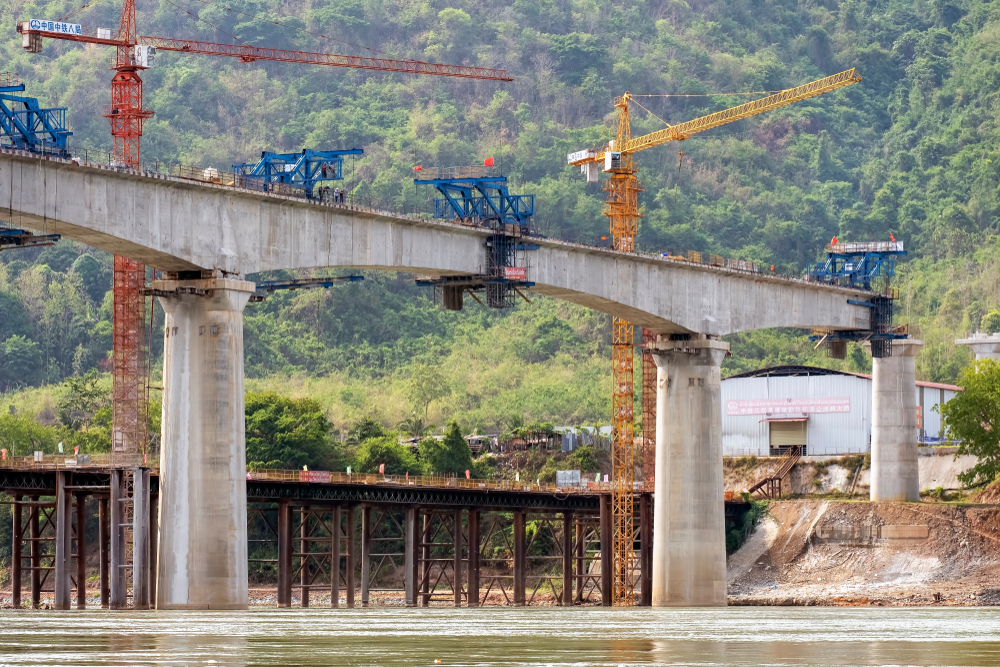
Laos is ill-equipped to take on major Belt and Road Initiative projects, according to a report released this month by the nonprofit Asia Society.
The report, which details cases of major BRI schemes in Southeast Asia, alleged that the Kunming-Vientiane Railway—the largest investment in the country’s history—has enabled Chinese developers to take advantage of land concessions and unlawfully evict communities off the land.
“As a small developing country, Laos lacks the capacity to properly monitor and ensure compliance with local laws,” researchers wrote.
“There are numerous documented incidents of villagers being forced to leave their homes without compensation as a result of the project.”
More: Malaysia’s about-face on Belt and Road to revitalise Chinese investment
Begun in 2016, the USD5.95-billion railway project is estimated to saddle Laos with debt commitments amounting to USD1.78 billion. This represents roughly 12 percent of the landlocked nation’s GDP—a “dangerous” tack to follow since its public debt level hit 68 percent of its GDP in 2016, the researchers noted.
In 2008, the Lao government ceded land to a Chinese developer as repayment of obligations for the construction of a sports stadium in Vientiane.
“Laos has made tax and land concessions to support the Kunming-Vientiane Railway project, significantly undercutting the benefits it will derive. Past experience suggests that further concessions may be necessary to cover the government’s obligations,” the report warned.
Recommended

Foreign demand recalibrates in Southeast Asia housing markets
Even amid global headwinds, Southeast Asia’s property markets hold appeal for foreign buyers
Tariffs and turmoil test Singapore homes as suburbs hold firm
Foreign levies, regional wars, and buyer fatigue are putting pressure on the city-state’s housing market

Gulf luxury markets lure global capital amid policy shift
Gulf nations are shaking off a reputation for overt bling to lead a post-pandemic luxury boom

China housing slump deepens as oversupply drags prices
Concerns remain over surplus inventory built by troubled property developers as prices continue to fall across all but a handful of major cities