The Philippines’ retail property sector stands out as the real estate market continues to recover
Although difficulties may still arise, the real estate industry has proven to be resilient and adaptable
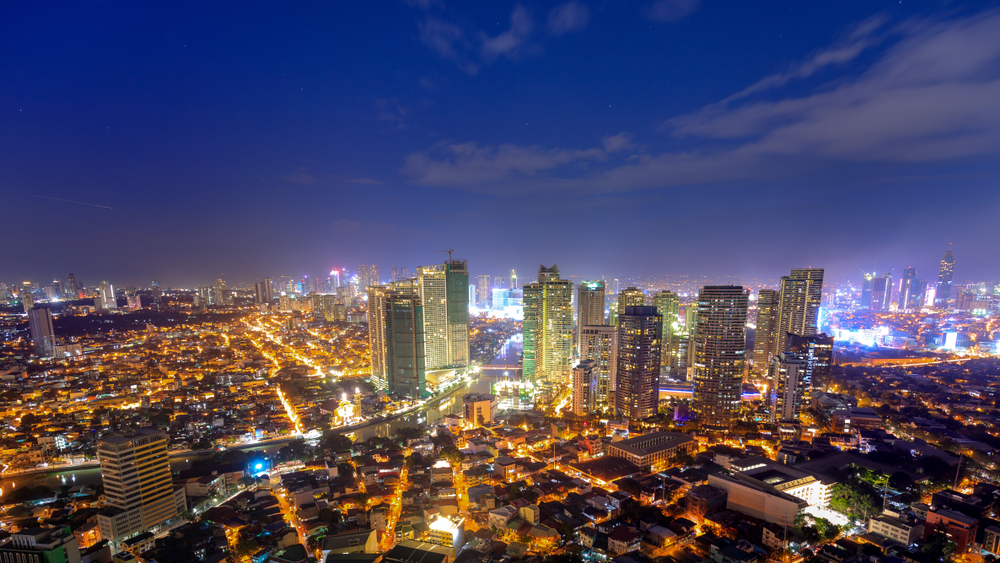
The Philippine property sector had an excellent start this year despite the challenges that affected both local and global economies.
BusinessWorld reported that, based on a recent study, the country’s real estate market is on its way to a steady recovery, especially with the economy looking up with an 8.3 percent expansion in Q1 2022. This was a massive jump from last year’s numbers, which were at a low 3.8 percent.
More: The Philippines’ GDP for Q1 2022 reaches 8.3%
The commercial property market is continuously recovering, notably in retail, as it is experiencing an influx in activity due to pent-up demand for consumption, high vaccination rates, the return-to-office (RTO) mandate, and relaxed travel restrictions.
According to the Philippine News Agency, data from Knight Frank revealed that 32.7 percent of commercial space occupants are for the food and beverage sector while 32.1 percent are for clothing stores.
The vacancy rate in the commercial sector for Q2 reached 4.6 percent, which was close to Q4 2019’s 3.6 percent.
“(T)he Philippines’ property sector is likely to see significant recovery in the next two to three years into the administration of President Ferdinand Romualdez Marcos, Jr., as demand returns on both commercial and residential property,” noted Santos Knight Frank in a statement.
As for office space, it was revealed that there is approximately 3.3 million sq ft of new supply recorded in Q1 2022, a big difference compared to Q4 2021’s 1.2 million s q ft.
Lockdowns, which led to unemployment, a decline in consumer and company confidence, and a reduction in remittance inflows, took a toll on the Philippine economy, quipped INQUIRER.net. These have affected the property market in varying degrees, as travel limitations and work-from-home policies were implemented.
Although difficulties may still arise, the real estate industry has proven to be resilient and adaptable.
The Property Report editors wrote this article. For more information, email: [email protected].
Recommended
Industrial heat meets residential cool across Malaysia real estate
A server-farm boom powers Malaysia’s property market while residential recalibrates around affordability and caution

Young buyers hold the key to unlocking Bangkok’s empty homes
The Thai capital's skyline still rises, but the market seems out of sync with its next generation of buyers
Investors double down on Jakarta despite Nusantara’s political rise
Density, demand, and capital flows continue to anchor real estate momentum in Greater Jakarta
Hong Kong’s deadliest blaze in decades triggers stricter safety rules
But enforcement is the real test