The Philippines’ GDP for Q1 2022 reaches 8.3%
This is a huge improvement from the revised -3.9 percent reported for Q1 2021 and 7.8 percent growth in Q4 2021
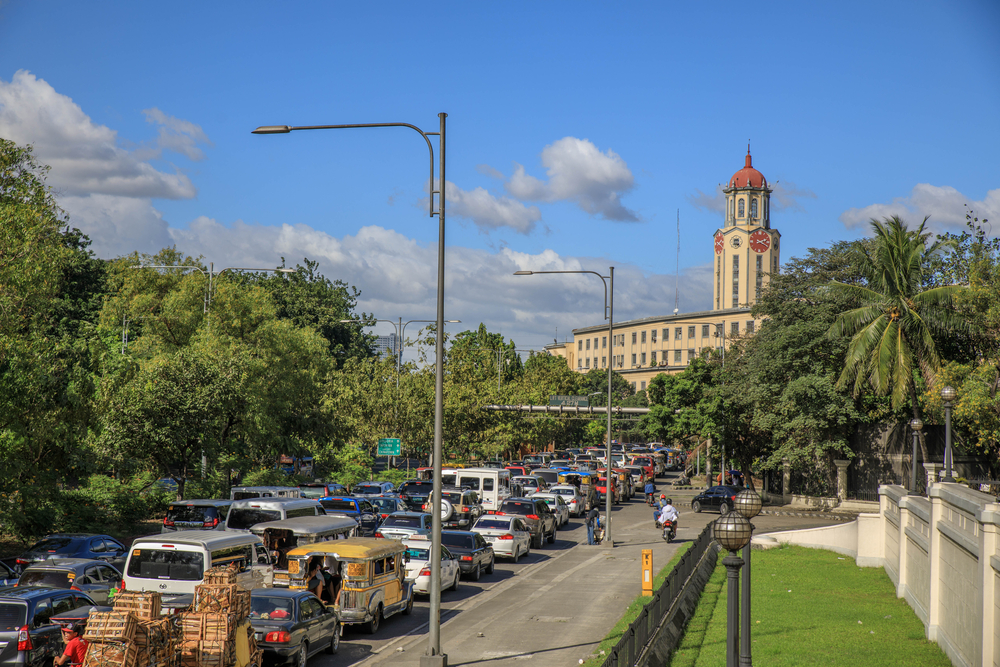
Rappler recently reported that the Philippines’ GDP grew a total of 8.3 percent in Q1 2022, exceeding pre-pandemic rates on a quarterly basis. This is a huge improvement from the revised -3.9 percent reported for Q1 2021 and 7.8 percent growth in Q4 2021.
Industry and services rose by 10.4 percent and 8.6 percent, respectively. Agriculture, on the other hand, grew by only 0.2 percent year-over-year (YoY).
Services contributed the most to overall GDP growth, accounting for 5.1 percent of the 8.3 percent increase. Industry had a 3.1 percent share while agriculture had only 0.02 percent. Manufacturing, wholesale and retail commerce, and transportation and storage had the highest contributions to overall growth when broken down by industry.
Socioeconomic Planning Secretary Karl Kendrick Chua said, “Our strong economic performance moves us closer to achieving our growth target of 7 to 9 percent this year, but we will not rest on our laurels. We will continuously work hard to strengthen our domestic economy against heightened external risks such as the Russia- Ukraine conflict, China’s slowdown, and monetary normalization in the United States,” in a report by the Philippine News Agency.
The Philippines had reached the peak of the COVID-19 Omicron variant surge in Q1, which led to the government tightening mobility restrictions. However, the number of illnesses fell dramatically over the quarter, allowing the economy to reopen even further.
More: The Philippines aims for a 7–9% growth in GDP in 2022
The tourism and hospitality sectors are expected to outpace 2019 rates while constraints could delay recovery until 2024. Meanwhile, companies can concentrate on reinventing themselves as they grow out of the pandemic.
The healthcare sector is projected to expand throughout 2022 while pharmaceutical manufacturing remains stable, according to McKinsey & Company. Consumer behaviors such as the adoption of digital care, focus on preventive treatment and wellness, and interest in value for money, on the other hand, are likely to persist after the pandemic.
During this period, the energy and power sector is also expected to grow, and lastly, the outlook for BPOs and remittances from overseas Filipino workers remains resilient.
The Property Report editors wrote this article. For more information, email: [email protected].
Recommended
Is China’s housing market finally turning a corner?
Shanghai’s property revival raises hopes, but falling prices elsewhere point to a long recovery
Opportunity or trap? What Washington’s high-tech hub outside Manila means for Philippine property
The New Clark City Economic Security Zone promises billions in investment, but at what cost to Philippine sovereignty?
What Japan’s policy rate hike means for its property market
After decades of near-free borrowing, the country's policy rate is starting to reshape the calculations behind property investment

A conversation with the head of Vietnam’s Green Building Council on the cost of doing nothing
The VGBC’s Douglas Snyder argues that the real cost developers should fear isn’t building green. It’s failing to do so