Stop lending to people who can’t afford homes in Malaysia: thinktank
Although finance ministry says consumers have more room to borrow now
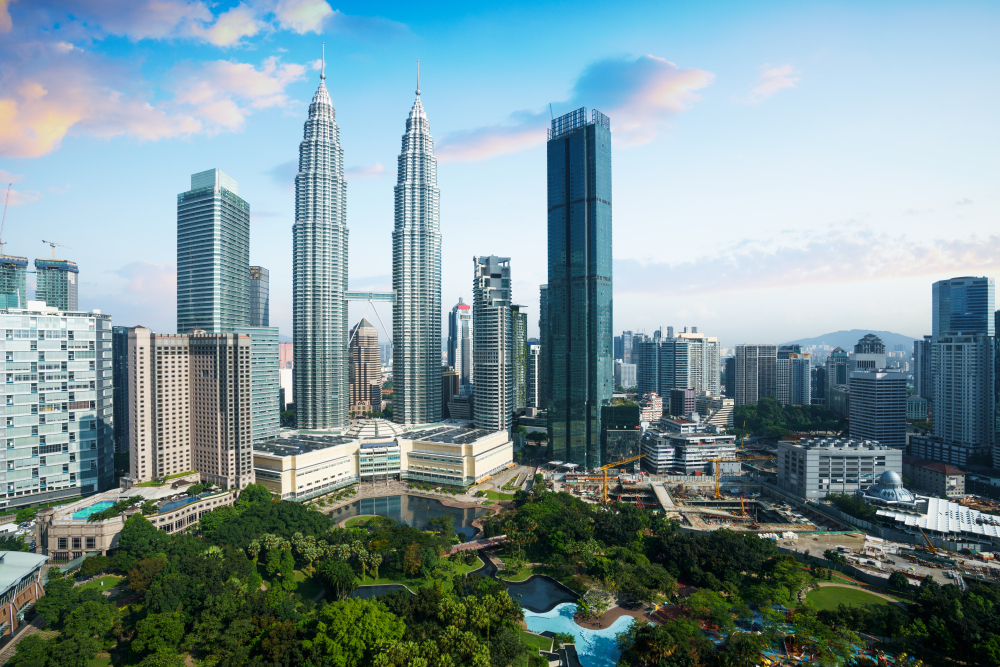
While affordability and home ownership remain hot-button issues for the Malaysian government, its suggestion that banks aid first-time house buyers could prove to be “dangerous,” the Centre for Governance and Political Studies stated in an open letter published yesterday.
The Kuala Lumpur-based thinktank went on to decry the provision of financing options for homes that “people cannot afford in the first place.”
“We would be irresponsibly allowing Malaysians to buy houses they shouldn’t be buying at all. This will only lead to a mortgage crisis. Demands from the Ministry of Finance for banks to provide easier loans paints an unhealthy perception for the freedom of doing business in Malaysia,” the letter read.
More: Johor has most unsold homes in Malaysia
The statement comes on the heels of Finance Minister Lim Guan Eng’s call for commercial banks to widen first-time home buyers’ access to credit. The minister, emboldened by the slight dip of the household debt ratio to gross domestic product (GDP) to 83 percent in 2018, exhorted banks to loosen lending rules for property seekers and investors.
“Consumers have more room to borrow for wealth accumulation purposes, either for saving schemes, or for non-speculative investments, including acquisition of long-term assets,” he said in a a statement. “Household debt on average is sufficiently backed by assets.”
An average household in the M40 or Middle 40 percent income group, i.e. those earning MYR6,275 (USD1,511), would have to spend a “big chunk” of their income on mortgage repayments, the thinktank countered.
Recommended
Is China’s housing market finally turning a corner?
Shanghai’s property revival raises hopes, but falling prices elsewhere point to a long recovery
Opportunity or trap? What Washington’s high-tech hub outside Manila means for Philippine property
The New Clark City Economic Security Zone promises billions in investment, but at what cost to Philippine sovereignty?

What Japan’s policy rate hike means for its property market
After decades of near-free borrowing, the country's policy rate is starting to reshape the calculations behind property investment

A conversation with the head of Vietnam’s Green Building Council on the cost of doing nothing
The VGBC’s Douglas Snyder argues that the real cost developers should fear isn’t building green. It’s failing to do so