He conquered high finance. Now FollowTrade’s Roy Ling preaches patience
The new chair of the PropertyGuru Asia Property Awards (Singapore) built his name in the breakneck world of high finance, but his focus has shifted to legacy over short-term returns
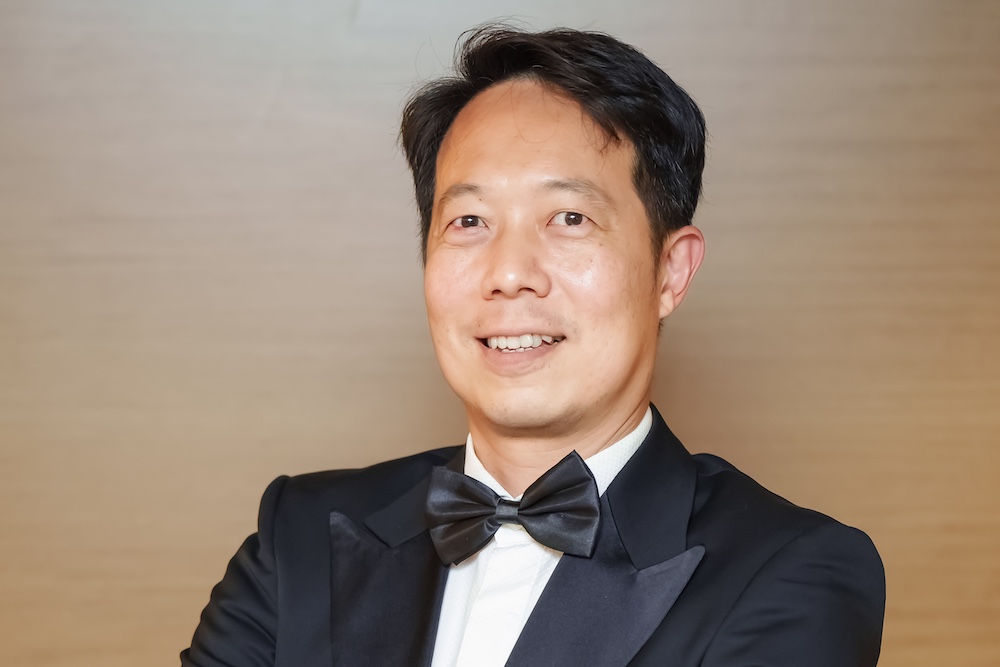
The world of global finance thinks in quarters, driven by earnings, exits, and arbitrage. Its native tongue is the language of immediacy.
Roy Ling, a constant in that otherwise fleeting corporate elite, has become fluent in a different dialect: the long term. The Singapore-based board chair, independent director, and professor is what the business world might call a “value architect,” his career spanning from the trading floors of global banks to the measured calm of boardrooms.
Plucked by Salomon Smith Barney out of the National University of Singapore in the early 2000s, the US-trained chartered financial analyst earned his stripes at Goldman Sachs in Singapore before shuttling between Hong Kong and Tokyo with Lehman Brothers’ elite Global Real Estate Group. The INSEAD Global EMBA graduate also mastered the intricacies of Southeast Asian investment banking at JPMorgan and later served as managing director of RL Capital Management.
The industry took notice early. Publications named him Rising Star and, later, Real Estate Executive of the Year.
“I started my career in investment banking, and those early years taught me to think on my feet, manage complex transactions, and make decisions under pressure,” he reflects. “There were moments of high stakes and intense learning—from negotiating landmark deals to navigating market volatility—that shaped not only my technical skills but also my appreciation for patience, resilience, and perspective.”
Somewhere between those high-stakes negotiations and bouts of market turbulence, Ling began to see capital not merely as a tool for profit but as a force for building responsible, enduring enterprises.
“Over time, I realised that my experience in capital markets could be leveraged to create a broader impact beyond deals,” he says.
That insight led him toward board directorships, where he now guides listed companies in linking financial performance with long-term governance, environmental, and social principles.
The analytical rigour of banking became the foundation for his stewardship at companies such as VinFast—the electric-vehicle maker trading on Nasdaq—and Advanced Systems Automation Ltd., a semiconductor stalwart listed on the Singapore Exchange, where he serves as independent board chair.
He now pays that expertise forward by teaching executive MBA students at institutions including his Singapore alma mater and SKEMA Business School in China. At FollowTrade, the company he founded in 2021, he helps families and friends share and follow each other’s investment journeys, turning trading from a solitary pursuit into a communal one.
There’s another passion he returns to often. Since 2011, Ling has served as a judge for the Singapore series of the PropertyGuru Asia Property Awards, helping identify the city-state’s finest developments. This year, he steps up as chairperson of the programme, influencing the benchmarks for real estate excellence. For him, it’s another kind of boardroom—one where his philosophy of taking the scenic route sets the agenda.
“Reflecting on my journey, I see a common thread,” he says. “Whether in a boardroom, a classroom, or a project site, it’s about building trust, thinking long-term, and creating sustainable value. It’s a perspective I bring to every board I serve on.”
What do you hope to bring to the PropertyGuru Asia Property Awards (Singapore) as its new chair?
As Chair, I see my role as more than overseeing an awards process. It’s about inspiration—raising the bar for what excellence in Singapore real estate truly means. I want to challenge the judging panel to look deeper: to recognise projects that create long-term value, integrate sustainability, and make a meaningful difference in communities. The Awards should not only honour present achievements but also inspire the future of Singapore’s real estate. By encouraging bold thinking and fresh perspectives, we can highlight projects with future-proof qualities. Ultimately, it’s about challenging all stakeholders—judges, developers, and investors alike—to think bigger, act responsibly, and aim higher.
From your perspective, what qualities distinguish truly outstanding developers and projects in today’s market?
Outstanding developers balance ambition with responsibility. Beyond iconic design and strong sales, they pair vision with environmental and social awareness. They embrace innovation—whether through smart-building technology or sustainable construction materials—to create projects that enrich communities.
How do global macroeconomic trends impact Singapore’s real estate sector?
Global shifts inevitably ripple through Singapore. Rising interest rates may slow transactions, and shifting capital flows may affect liquidity. Yet Singapore’s political stability, good governance, and transparency make it a haven. Increasingly, global capital is seeking sustainable and tech-enabled projects, positioning Singapore to lead in green finance and smart real estate innovation.
How is Singapore’s residential market evolving amid changing buyer demographics and government policies?
The residential market is becoming more diverse and sophisticated. Buyers now seek flexible layouts, integrated amenities, and community-focused spaces while government policies promote sustainable development. Developers who combine lifestyle insight, adaptive design, and responsible practice will set new standards for Singapore homes.
How can developers continue innovating in Singapore’s land-scarce environment?
Land scarcity compels creativity. Innovation now means more than maximising space—it’s about smart design, adaptive reuse, and mixed-use developments that combine living, working, and community spaces. Sustainability is key, with energy-efficient buildings, green spaces, and resource-conscious construction now expected rather than optional. Logistics and industrial assets are seeing strong demand, driven by e-commerce and regional trade. Residential continues to evolve alongside hybrid office and retail trends. The developers who thrive will combine foresight, agility, and sustainable practices to create value for both investors and communities.
What governance practices should property developers and REITs prioritise today?
Governance is no longer about mere compliance—it’s about credibility, purpose, and trust. Boards should strengthen transparency in capital allocation, embed ESG and climate considerations into strategy, and engage meaningfully with investors, regulators, and communities. For REITs, this means maintaining capital discipline and prudent leverage. For developers, it’s about responsible land use, innovation, and social impact. Boards that combine financial rigour with sustainability will not only weather uncertainty but also set the benchmark for excellence.
What are the most meaningful ways developers can go beyond “green labels” to achieve true sustainability?
Sustainability goes beyond awards and certifications. It’s about designing projects that reduce environmental impact, enhance liveability, and genuinely serve their communities. Developers should integrate ESG principles and smart technologies from the earliest planning stages. This includes energy efficiency, resilient design, water management, and spaces that foster wellbeing. Balancing profitability with ESG and community impact isn’t a zero-sum game. Projects that prioritise long-term sustainability attract discerning tenants, boost investor confidence, and mitigate operational risks. Future-proof developments create both commercial success and meaningful community value.
How is the shift toward net-zero carbon influencing project financing and valuations?
Net-zero commitments are reshaping finance. Lenders and investors increasingly reward projects with strong ESG credentials and tech-enabled efficiency through better financing terms and higher valuations. Developers who embrace energy-efficient, resilient design early will attract more capital, meet regulatory demands, and enhance long-term asset value.
Tell us more about your journey from investment banking to education.
I have always enjoyed mentoring the next generation of leaders. Executive education came naturally—it allows me to share my experiences with emerging professionals, helping them navigate complexity, make principled decisions, and understand that leadership is about influence, not authority.
How will digital-finance models like tokenisation and fractional investing integrate with mainstream property investment in Singapore?
Digital finance is democratising access to property investment. Tokenisation and fractional ownership increase liquidity and open new funding channels, though they also bring regulatory and cybersecurity challenges. The opportunity lies in combining innovation with strong governance, ensuring these models complement traditional investment while maintaining trust and stability.
What does the future of Singapore real estate look like?
In the next five years, sustainability, technology, and lifestyle shifts will drive demand. Developers will need to build energy-efficient, digitally connected, and adaptable spaces. Over the next decade, Singapore real estate will be defined by resilience, smart design, and community focus—continuing to serve as a trusted gateway for global investors entering Southeast Asia.
This article was originally published on asiarealestatesummit.com. Write to our editors at [email protected].
Recommended

South Korea’s apartment developers wrestle with solar mandates
New regulations are forcing residential developers to generate their own energy

6 projects designed for people and planet
Sustainability has shifted from buzzword to blueprint, and this new generation of buildings proves it

6 homes where luxury finds its character
Asia's ultra-wealthy crave stories, values, and vision. Developers respond with bold, meaning-driven creations

This cybersecurity pioneer explains why digital resilience is becoming real estate’s next quality benchmark
Duncan Simpson on the hidden vulnerabilities in connected buildings and why cyber risk is now a property issue