Vietnam’s industrial property market, expected to see more activity as demand remains high
By 2026, the Vietnamese transport and logistics market is expected to grow by seven percent
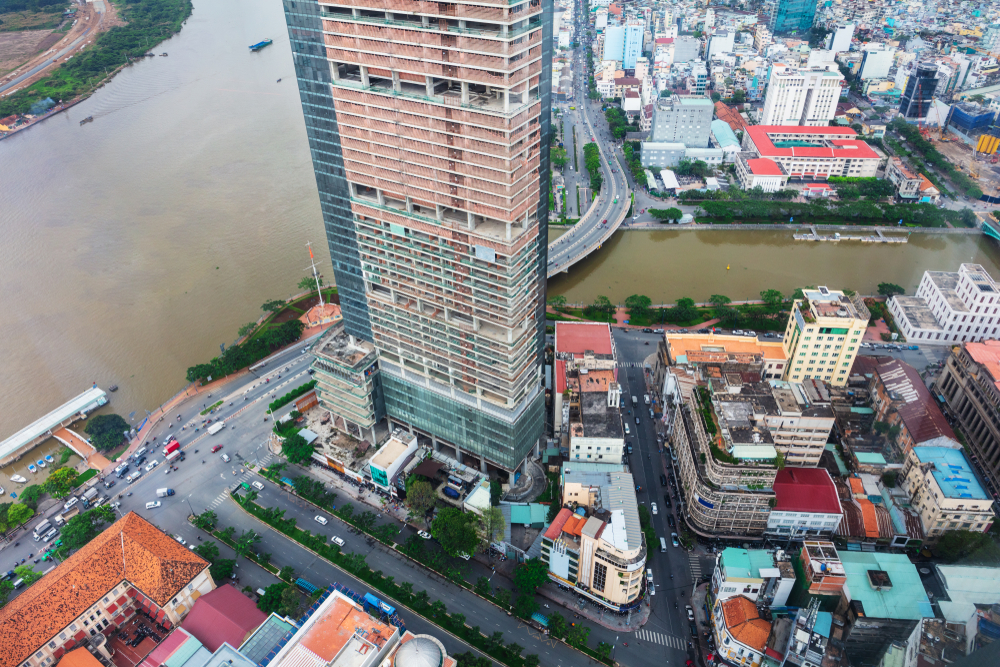
Vietnam’s property market saw a flurry of mergers and acquisitions in the first seven months, especially in Ho Chi Minh City, which has seen a lot of M&A activity in the residential property segment, according to VnExpress.
Trang Bui, CEO of Cushman & Wakefield Vietnam, predicts increased activities in the industrial segment going forward. She mentioned that foreign investors are increasingly interested in Vietnam’s property market, especially in highly profitable projects.
As far as FDIs are concerned, Trang Minh Ha, chairman of North Stars Asia, predicts that these will continue to flow into industrial parks throughout 2025.
More: FDIs, M&A transactions drive real estate recovery in Vietnam
The development of the national economy, as well as the manufacturing and e-commerce sectors, contributed significantly to the growth of Vietnam’s logistics industry, reported VietnamPlus.
By 2026, the Vietnamese transport and logistics market is expected to grow by seven percent. Moreover, establishing industrial and economic zones is part of the Vietnamese government’s plan to encourage manufacturing and attract investments.
The real estate market can be affected by numerous factors, including economic recovery, rapid socioeconomic development, and public investment, according to economic expert Can Van Luc.
Nevertheless, difficulties persist because the economic recovery is not sustainable and supply is not readily available. Furthermore, the cost of energy and raw materials has also gone up.
In terms of specific market developments, a representative of CBRE Group predicted that between now and 2025, investors will introduce new projects to the market, according to SGGP News.
For example, the average price of apartments in Ho Chi Minh City is currently VND58 million (USD2,477) per sq m and it will only be about VND62 million (USD2,648) per sq m by 2024 — a four percent growth. Hanoi will see a higher increase of at least eight percent.
In terms of supply, the housing market will continue to be scarce in the coming years.
The Property Report editors wrote this article. For more information, email: [email protected].
Recommended

Foreign demand recalibrates in Southeast Asia housing markets
Even amid global headwinds, Southeast Asia’s property markets hold appeal for foreign buyers
Tariffs and turmoil test Singapore homes as suburbs hold firm
Foreign levies, regional wars, and buyer fatigue are putting pressure on the city-state’s housing market

Gulf luxury markets lure global capital amid policy shift
Gulf nations are shaking off a reputation for overt bling to lead a post-pandemic luxury boom
China housing slump deepens as oversupply drags prices
Concerns remain over surplus inventory built by troubled property developers as prices continue to fall across all but a handful of major cities