Vietnam’s domestic property market is seeing a positive outlook
The real estate sector contributed around 4.42 percent to Vietnam’s GDP in 2020
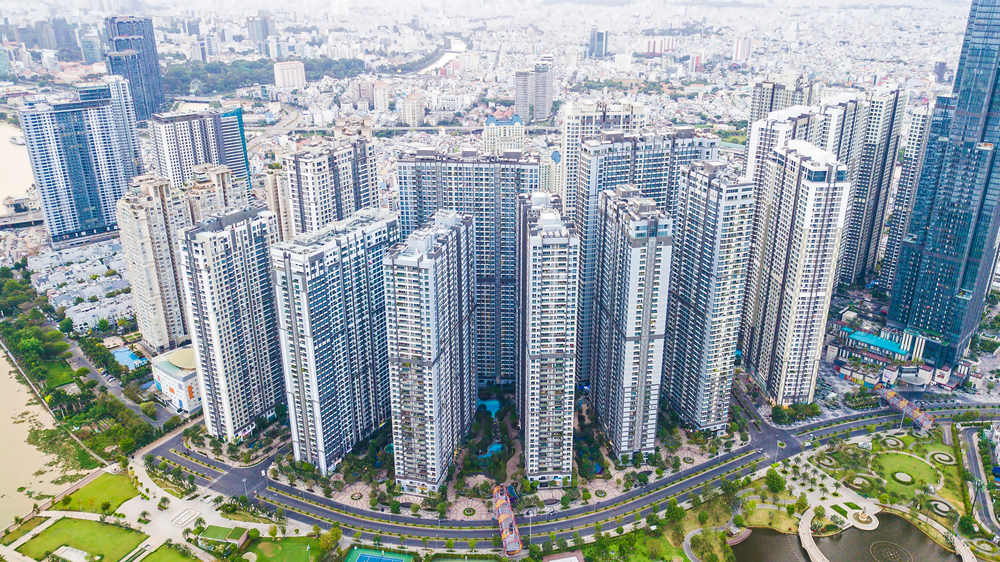
The Ministry of Construction (MoC) is confident that Vietnam’s domestic property market has surpassed the most difficult period, as the market and the whole economy have experienced positive developments in Q4 2020, reported Việt Nam News.
According to the ministry, the industrial property sector can be regarded as a shining light for the domestic market, as reasons like the European Union – Vietnam Free Trade Agreement (EVFTA) is soon to happen, along with the relocation of many multinationals to Vietnam.
The country’s success in controlling and handling COVID-19 is also key in luring additional foreign investment.
A representative of the ministry mentioned that such factors would create a solid foundation for the real estate market to recover steadily in 2021.
Despite the market’s ongoing difficulties, real estate developers have put forward solutions to entice consumers, such as shifting FDI inflows and changing areas for development projects to catch up with trends of urbanisation in regions outside big cities.
Due to the recovery of the housing and industrial zone sectors, the domestic real estate market has maintained positive growth for 2020, contributing about 4.42 percent of the national GDP in 2020.
As stated by the Ministry of Construction, the sector’s total outstanding debt rose quarter by quarter. The debt reached VND8.3 trillion (USD361 million) in the first quarter, VND8.5 trillion in the second quarter, and VND8.6 trillion in the third. As of December 31, debt reached more than VND8.8 trillion.
More: Stable prices and low interest rates in Thailand show promise for investors
Property companies have access to capital from other sources besides banks, such as remittances and capital from issuing stocks and bonds and individual investment capital.
As for the market supply in the fourth quarter, the market gained almost 30,000 new apartments, while transactions were still quite steady.
Regions with large inventory included Đà Nẵng, Khánh Hòa, Kiên Giang and Bình Dương. On the other hand, Hà Nội, Ho Chi Minh City, Quảng Ninh, and areas with strong urbanisation such as Cần Thơ, Long An, and Đồng Nai maintained stable development in the property market with moderate levels of apartment inventories.
Recommended

Foreign demand recalibrates in Southeast Asia housing markets
Even amid global headwinds, Southeast Asia’s property markets hold appeal for foreign buyers
Tariffs and turmoil test Singapore homes as suburbs hold firm
Foreign levies, regional wars, and buyer fatigue are putting pressure on the city-state’s housing market

Gulf luxury markets lure global capital amid policy shift
Gulf nations are shaking off a reputation for overt bling to lead a post-pandemic luxury boom
China housing slump deepens as oversupply drags prices
Concerns remain over surplus inventory built by troubled property developers as prices continue to fall across all but a handful of major cities