Vietnam introduces lesser-known attractions; improvements underway in Con Dao
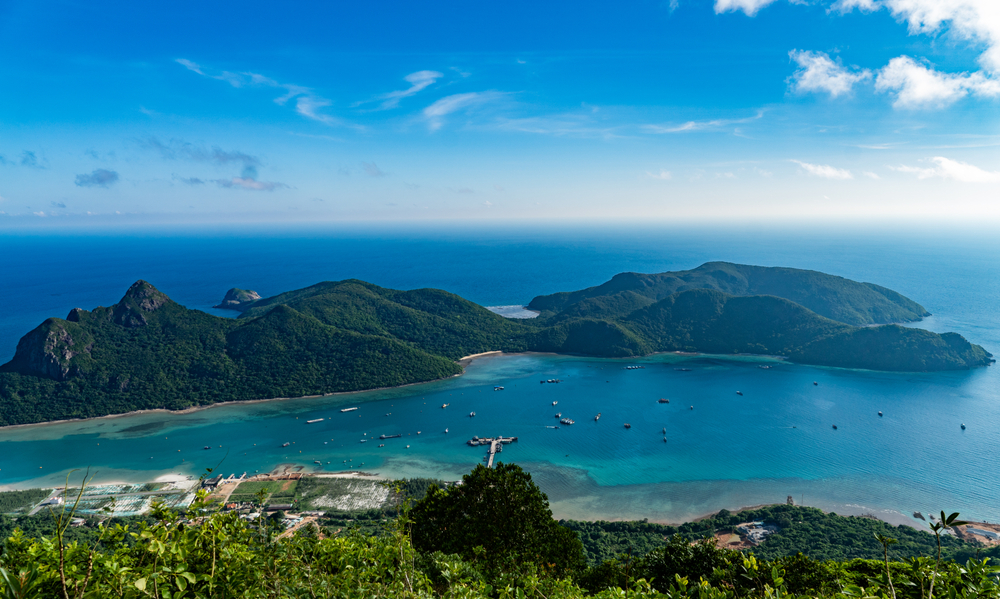
Con Dao entices people with its crystal-clear waters and lush emerald forests
On 15 March, Vietnam fully reopened its borders to international visitors for the first time in two years. This is the perfect opportunity to introduce lesser-known destinations such as Con Dao Island and Phong Nha-Ke Bang National Park.
According to the Hanoi Times, these two are emerging tourist attractions for nature lovers. Phong Nha-Ke Bang National Park, for example, is home to wondrous caves such as the Son Doong Cave, winding rivers, and jungle-clad mountains. It has also been categorised by UNESCO to have one of the unique scenes in Asia.
Moreover, the massive Son Doong Cave is large enough to accommodate “an entire 40-story New York City block skyscraper,” according to the British Cave Research Association.
Con Dao, another lesser-known destination in Vietnam, entices people with its crystal-clear waters and lush emerald forests. It has diverse flora, with more than 1,000 species of plants, and it is also where a large number of sea turtles give birth every year.
Con Dao is a small island off the coast of Ba Ria. It was once known for a massive jail built by the French and later utilized by the Americans during the Vietnam War.
The island welcomed 400,000 visitors in 2019, going up 37 percent from the previous year.
More: The key drivers in Vietnam’s economic recovery
Recently, the government has laid out plans to upgrade Con Dao Island in an effort to make it a “regional-level eco-tourism area.”
From now until 2045, major improvements will be made to the island’s airport, piers, roads, and waterways while ensuring that construction work does not affect airport operations, reported VnExpress.
At the moment, only the Vietnam Air Services Company (VASCO), a subsidiary of Vietnam Airlines, and the FLC Group’s Bamboo Airways provide regular flights to the island.
The island’s population is projected to grow to 15,000 by 2030 and 25,000 by 2045.
The Property Report editors wrote this article. For more information, email: [email protected].
Recommended
What comes next for Southeast Asian real estate in 2026
From return-to-office realities to climate and tech disruptions, Southeast Asia’s residential markets are being reshaped by deeper forces

Foreign demand recalibrates in Southeast Asia housing markets
Even amid global headwinds, Southeast Asia’s property markets hold appeal for foreign buyers
Tariffs and turmoil test Singapore homes as suburbs hold firm
Foreign levies, regional wars, and buyer fatigue are putting pressure on the city-state’s housing market

Gulf luxury markets lure global capital amid policy shift
Gulf nations are shaking off a reputation for overt bling to lead a post-pandemic luxury boom