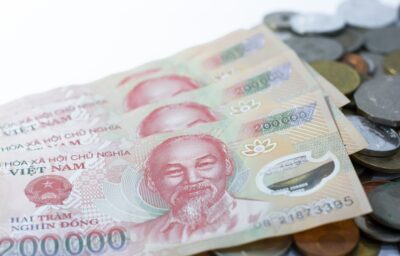
Trade war spurs industrial rents in southern Vietnam
The exodus of manufacturers in China propelling land leasing costs in HCMC and its environs
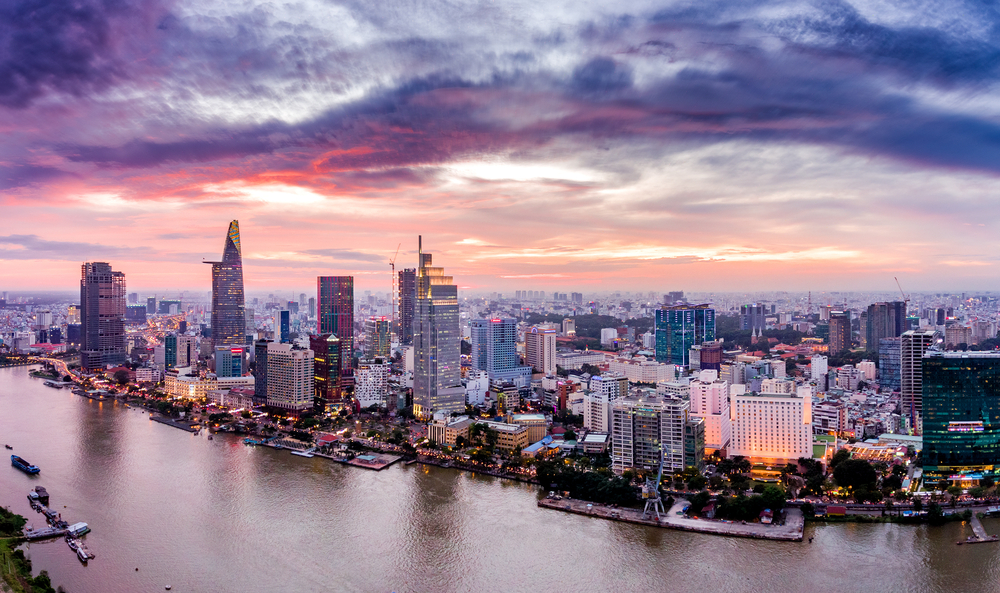
Industrial parks in Ho Chi Minh City and its surrounds posted sanguine rental growth in the second quarter of 2019, according to a new report from JLL Vietnam.
Land leasing costs in HCMC’s industrial zones as well as those in the provinces of Binh Duong, Dong Nai, Long An and Ba Ria-Vung Tau hit USD95 per square metre on average during the quarter, up 15.8 percent year-on-year.
Strong demand, supported by the escalating trade war, drove the increase. “As US-China trade tensions will likely escalate, the trend of manufacturing shifting away from China to the South East Asia region will continue to benefit the whole region, including Vietnam,” JLL reported.
Vietnam’s industrial property sector will also benefit from continuous expansion of trade networks, led by the signing of the European Union-Vietnam Free Trade Agreement (EVFTA) last month.
More: In war as in peace, Vietnam real estate is a winner
Such agreement “bolsters the attractiveness of Vietnam’s industrial market, generating further demand for industrial property in the country,” JLL researchers commented.
In HCMC alone, the average rent hit USD162 per square metre for every lease term.
The average occupancy rate in the top five industrial markets of Vietnam’s Southern Key Economic Zone was 81 percent, a “healthy rate”, noted JLL.
An additional 18,290 hectares of land is slated for industrial development in southern Vietnam. These will be predominantly located in the Long An, Binh Duong and Dong Nai provinces.
Recommended

Why everyone is moving to Selangor and Johor: Malaysia’s real estate comeback
Malaysia’s upturn in fortunes is especially prevalent in secondary destinations such as Selangor and Johor

Penang’s silicon boom: How the US-China tech war is supercharging local real estate
Penang’s booming semiconductor industry has created ripples within the local real estate sector
New leader, new opportunities: How Hun Manet is shaking up Cambodia’s real estate game
Hun Manet is overseeing decent economic growth and widening access to the country’s real estate market for foreigners

Singapore embraces inclusive housing reforms amid resilient demand
The Lion City’s regulatory strength continues to exert appeal for international investors