The Philippines real estate market prospects for 2021
The Philippines is becoming an attractive hotspot for foreign investors across Asia Pacific
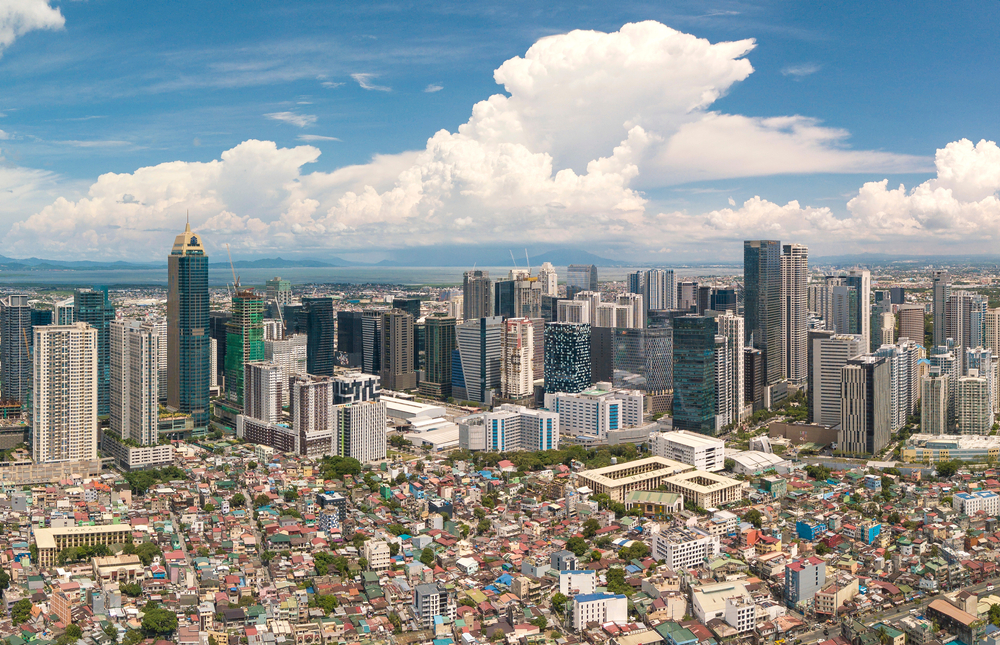
According to Asia Property HQ, alike other property markets, the Philippines’ real estate market took a big hit from the pandemic. However, Philippines Central Bank expects a strong recovery in 2021 with a 7.8 percent growth.
The Philippines, particularly Metro Manila, has seen a lot of interest as more international companies move into the region, establishing offices in areas like Davao and Cebu where labour costs are low. However, how the real estate market performs will be highly influenced by border restrictions and the distribution of COVID-19 vaccines.
Vacancy rates are projected to increase from around 5.5 to seven percent, while lease rates might decrease up to 17 percent in Metro Manila.
More: The Philippines imposes value-added tax amid pandemic
The condominium sector will also face some difficulties, as the market undergoes an oversupply of units, particularly in Manila North, the Bay Area, Pasig City, and Quezon City North. This circumstance is anticipated to remain in 2021.
Nevertheless, developers might be able to offer flexible conditions to homebuyers due to low mortgage and interest rates, assisting Manila’s condominium market.
The key drivers of Philippines’ real estate market are the growing business process outsourcing (BPO) industry from multinationals, continuous supply of flexible workspace, high demand from Chinese and foreign investors, and high remittances from overseas Filipino workers leading to higher purchasing and investing power for the residential property market.
Recommended
Is China’s housing market finally turning a corner?
Shanghai’s property revival raises hopes, but falling prices elsewhere point to a long recovery
Opportunity or trap? What Washington’s high-tech hub outside Manila means for Philippine property
The New Clark City Economic Security Zone promises billions in investment, but at what cost to Philippine sovereignty?

What Japan’s policy rate hike means for its property market
After decades of near-free borrowing, the country's policy rate is starting to reshape the calculations behind property investment

A conversation with the head of Vietnam’s Green Building Council on the cost of doing nothing
The VGBC’s Douglas Snyder argues that the real cost developers should fear isn’t building green. It’s failing to do so