The Philippines imposes value-added tax amid pandemic
Philippine’s biggest real estate and housing developers group calls out government to “spare housing from VAT amid pandemic”
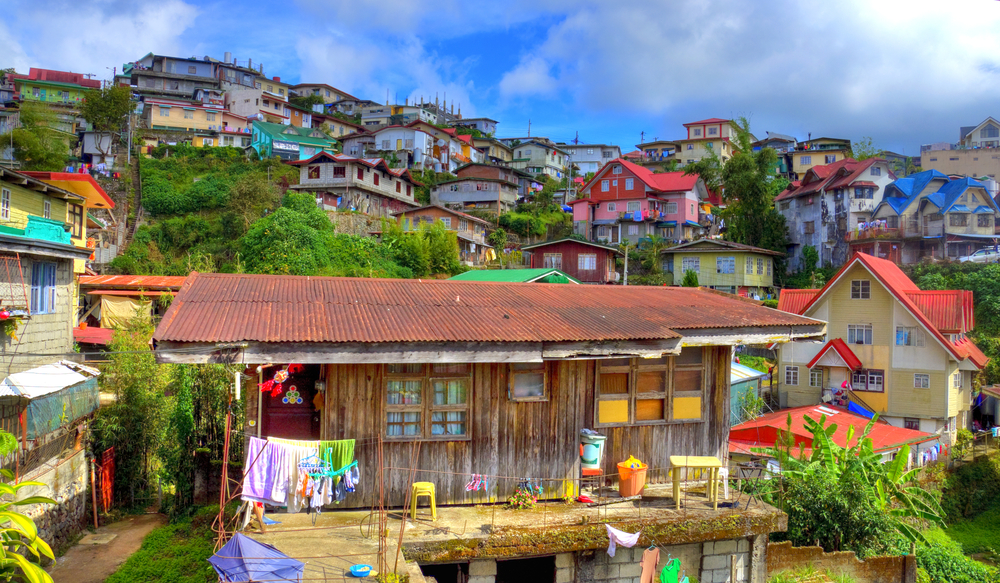
The Chamber of Real Estate and Builder’s Associations Inc. (CREBA), Philippine’s largest real estate umbrella organization has urgently requested for government interposition against the imposition of value-added tax (VAT) on home purchases. Millions of low-income earners and overseas Filipinos are experiencing distress from the consequences of the COVID-19 pandemic and have yet to purchase their own homes.
According to RealEstateNews.PH, this call-out to the government by CREBA is precarious as the Tax Reform for Acceleration and Inclusion (TRAIN Law) terminates in December 2020. As stated by the National Tax Research Center, Republic of the Philippines, “the TRAIN aims to make the Philippine Tax System simpler, fairer, and more efficient to promote investments, create jobs, and reduce poverty.”
TRAIN excuses buyers from having to pay VAT for plots up to PHP1.9 million (USD39,573) and house and lot units up to PHP3.2 million (USD66,649).
With excess housing of at least 6.57 million units, including an increasing gap between supply and demand by 300,000 units annually, such system seems unconcerned of the fundamental action of the government to provide housing for its residents, as shelter is a basic human need.
More: Net influx of foreign direct investment in the Philippines surge for 3rd consecutive month
Seeing that real estate developers are forced to implement VAT onto home purchases, property prices will escalate past the level millions of homeless Filipinos can afford.
Consequent of the pandemic, social distancing is crucial, indicating the necessity for proper, affordable housing communities that enforce health and safety precautions. Residents are in need of fixed, low-interest, and long-term housing loans supported by the government rather than new tax loads.
CREBA aims to preserve the ‘VAT-exempt housing packages’ and enable millions of Filipinos access to affordable homes for a better quality of life, especially during these unprecedented times.
Recommended

A conversation with the head of Vietnam’s Green Building Council on the cost of doing nothing
The VGBC’s Douglas Snyder argues that the real cost developers should fear isn’t building green. It’s failing to do so

These 6 projects are among Asia’s greenest in 2026
Proof that better buildings are defined as much by how they operate as how they look
Indonesia’s property market feels the pinch of a reeling rupiah
As Jakarta tightens its grip on strategic minerals, investors are fleeing, leaving the property sector in limbo
Japan’s cities boom as rural towns hollow out
Millions of homes sit abandoned as the forces reshaping Japan's property market pull in opposite directions