Philippine economy, expected to grow 7.4% by end of year
Despite the overall bleak view for Asia Pacific, ADB raised its 2022 growth prediction for Southeast Asia to 5.5 percent from 5.1 percent
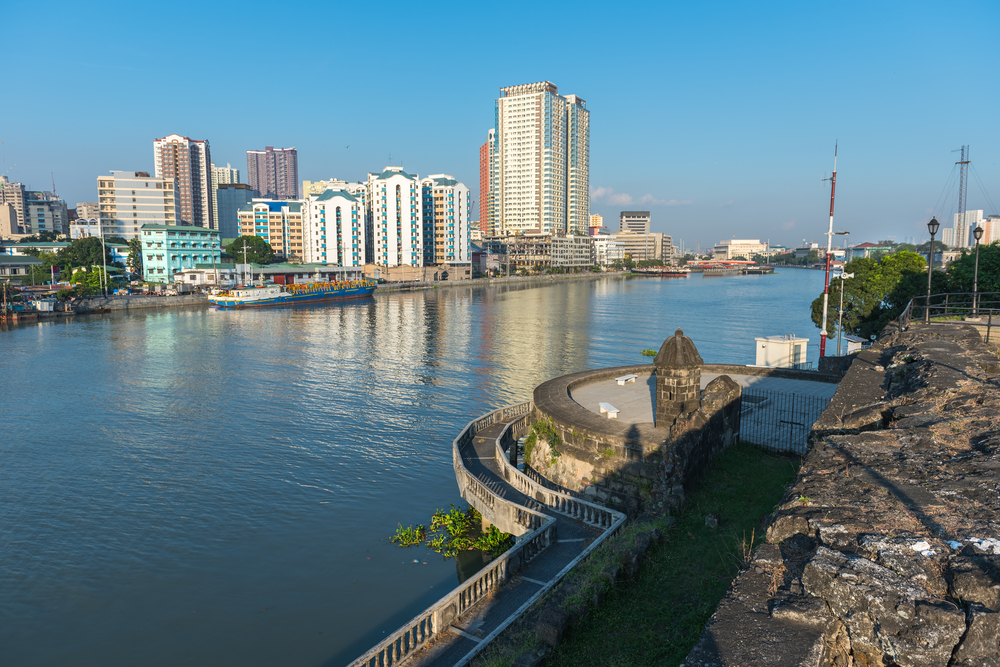
The Asian Development Bank expects the Philippine economy to expand 7.4 percent this year on the back of tourism and domestic demand. This is up from its forecast in September, which was 6.5 percent.
In 2023, however, growth is expected to slow down at a rate of six percent instead of the previously stated 6.3 percent, according to Xinhua. Several factors will contribute to the contraction next year, including inflation stickiness, higher interest rates, and a slowdown in advanced economies.
Despite the overall bleak view for Asia and the Pacific, the ADB raised its 2022 growth prediction for Southeast Asia to 5.5 percent from 5.1 percent. Southeast Asia’s GDP growth is predicted to drop to 4.7 percent in 2023, reported BusinessWorld.
Meanwhile, according to estimates, the country’s debt-to-GDP ratio will decrease by 50 percent if it achieves sustained economic growth by 2028.
More: The Philippines revises Q2 economic growth rate
Finance Secretary Benjamin E. Diokno said, “The debt-to-GDP ratio was below 40 percent before the pandemic, and went up to 62% this year as revenues fell while pandemic-related pending rose,” adding, “While the absolute level of debt may increase, the economy’s ability to pay also increases from the economic gains and investments it pursued, including where the debt is used for. As long as the economy grows faster than the growth of public debt then the level of debt becomes sustainable.”
The goal is to reduce the debt-to-GDP ratio to 61.8 percent by yearend, and 52.5 percent by 2028.
In the first nine months of 2022, the Philippine economy expanded by an average of 7.7 percent. To achieve the government’s full-year target of 6.5 to 7.5 percent, only 3.3 to 6.9 percent growth is needed in the fourth quarter.
The Property Report editors wrote this article. For more information, email: [email protected].
Recommended
How the Gold Coast became Australia’s hottest property market
The Queensland beach enclave, previously seen as a pleasure retreat, is becoming a haven for investors

Trust gap slows Chinese tourism and property investment in Thailand
Scam-related narratives accelerate a shift in tourism and property investment away from Thailand
Timor-Leste real estate takes off as nation joins ASEAN
Early signs of a property market emerge amid land-title reform and cautious foreign interest

Macau market weakness persists despite economic rebound signs
As Macau’s gaming revenues surge back to life, its residential property market remains stuck on a losing streak