Sri Lankan hotels endure through COVID-19 by turning to patient care
Many hotels have transformed into quarantine facilities and Intermediate Patient Care Centres
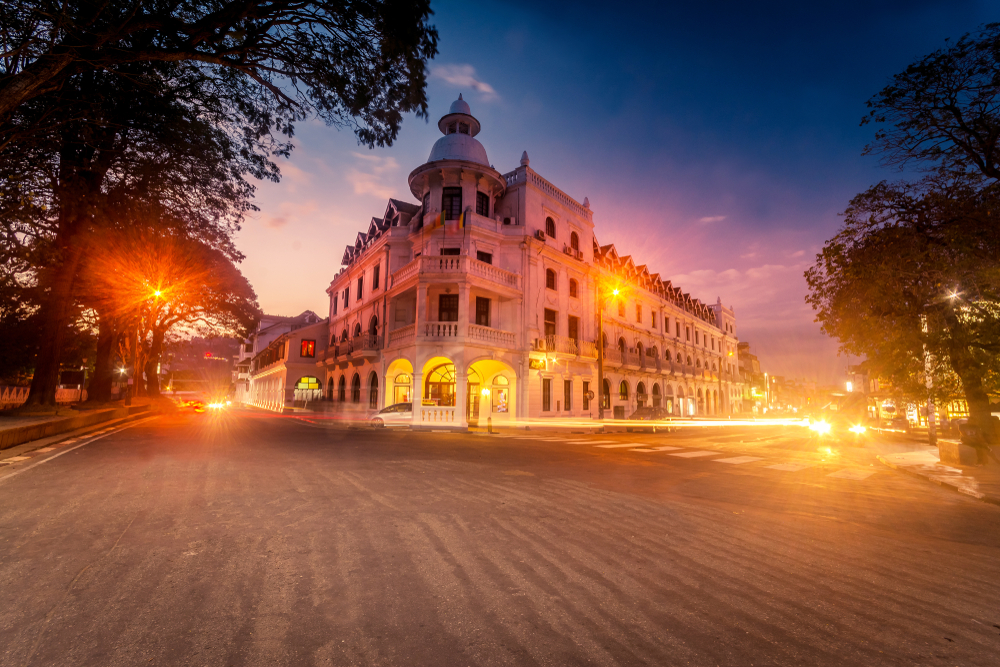
As businesses are hard hit by the continuous pandemic lockdowns, Sri Lanka’s hotel industry shows resilience by shifting its focus to patient care, according to The Sunday Times.
Due to the lack of tourist arrivals, many hotels have registered themselves as Intermediate Patient Care Centres (IPCC), providing comfort and care to patients who can afford the cost.
Around 55 hotels have also become quarantine centres for asymptomatic and mildly affected patients.
According to the Hotels Association of Sri Lanka, about 45 of its members in the Western Province have transformed their hotels to IPCC.
Sarath Ukwatte, president of the association, said more than 4,000 beds are provided by hotels during a time where hospitals cannot cope with the flood of patients.
Many patients are opting for hotels as they offer space and privacy that public hospital wards cannot give.
“We are happy to participate in the health care process in this time of need,” he said.
Nevertheless, hotel patient care comes with a price. A single room costs SLR17,000 (USD85.57), SLR19,00 (USD95.63) for a twin-share, and SLR24,000 (USD120.80) for three persons.
Food lodging and housekeeping are provided by the hotels, while health concerns are managed by the private hospitals that have partnered with such hotels.
More: Sri Lanka poised to successfully deliver wellness tourism
Ukwatte pointed out that operations have been very costly. “We have to sanitise the rooms daily, use PPE equipment and dispose of all masks and other apparatus in keeping with health protocols,” he said.
“This is off-peak season. We are hopeful for [normal business to resume] in the peak season from November to April, by which time most of us will have been vaccinated and ready to go back to normal life,” Ukwatte added.
The Property Report editors wrote this article. For more information, email: [email protected].
Recommended
Is China’s housing market finally turning a corner?
Shanghai’s property revival raises hopes, but falling prices elsewhere point to a long recovery
Opportunity or trap? What Washington’s high-tech hub outside Manila means for Philippine property
The New Clark City Economic Security Zone promises billions in investment, but at what cost to Philippine sovereignty?

What Japan’s policy rate hike means for its property market
After decades of near-free borrowing, the country's policy rate is starting to reshape the calculations behind property investment

A conversation with the head of Vietnam’s Green Building Council on the cost of doing nothing
The VGBC’s Douglas Snyder argues that the real cost developers should fear isn’t building green. It’s failing to do so