Singapore sees 4.8% growth YoY in Q2, denies the possibility of overheating
The medium-term growth outlook for Singapore remains positive despite the COVID-19 pandemic
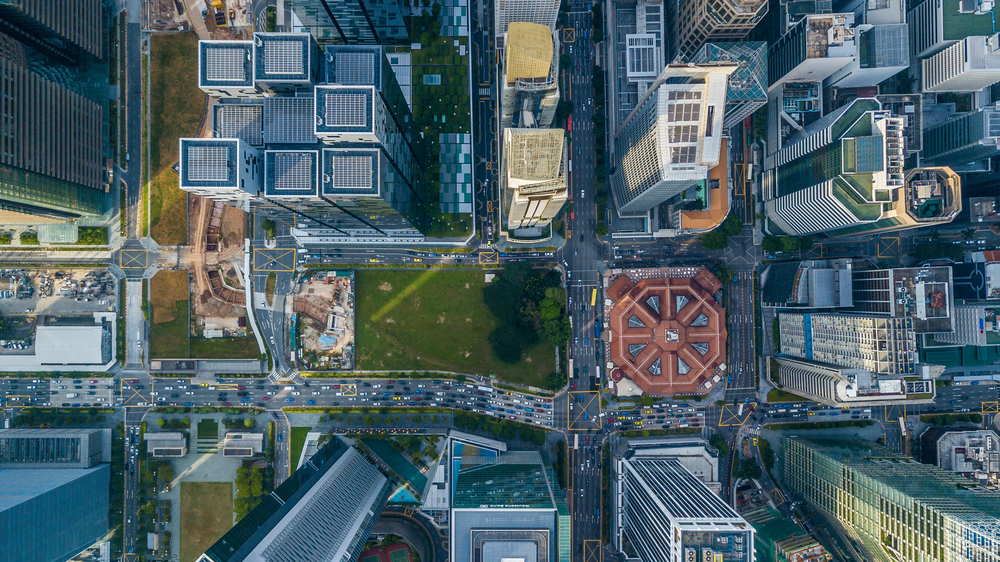
The Ministry of Trade and Industry (MTI) announced on Thursday, 14 July, that Singapore’s economy saw a 4.8 percent growth YoY in Q2 2022. Moreover, CNA mentioned that on a QoQ, seasonally adjusted basis, the GDP for Q2 remained the same, compared to Q1’s 0.9 percent expansion.
Manufacturing grew by 8 percent YoY in Q2, matching the previous quarter’s growth rate of 7.9 percent.
The construction sector grew by 3.8 percent YoY, outpacing Q1’s 1.8 percent growth. Increasing migrant worker arrivals helped boost construction activity in Q2.
A total of 2.8 percent YoY growth was recorded among the service sectors in Q2. Accommodation and food services, real estate, administrative and support services, and other services expanded 8.2 percent YoY in Q2, up from 3.5 percent the previous quarter.
More: Borders reopening contributed to Singapore’s economic growth in Q1, experts say
Usually, when the economy is operating “slightly” above its potential, conclusions point to it overheating at some point, according to TheStar. This means the economy is growing at an unsustainable rate, triggering runaway inflation.
Selena Ling, chief economist at Oversea-Chinese Banking Corp, said the economy is more at risk of stagflation rather than overheating. She also pointed out that while stagflation involves unemployment and stagnant demand, that is definitely not something they should be worrying about right now.
Irvin Seah, senior economist at DBS Bank seconds this, saying that inflation is a problem, yes, but not overheating.
MTI estimates Singapore’s GDP growth for 2022 will be in the lower half of the three to five percent range, reported IHS Marikit.
The medium-term growth outlook for Singapore remains positive despite the COVID-19 pandemic, bolstered by its position as an Asia-Pacific hub for shipping, commercial aviation, and logistics. As a regional HQ hub for global multinational corporations, Singapore also benefits from these competitive advantages.
The Property Report editors wrote this article. For more information, email: [email protected].
Recommended
Opportunity or trap? What Washington’s high-tech hub outside Manila means for Philippine property
The New Clark City Economic Security Zone promises billions in investment, but at what cost to Philippine sovereignty?

What Japan’s policy rate hike means for its property market
After decades of near-free borrowing, the country's policy rate is starting to reshape the calculations behind property investment

A conversation with the head of Vietnam’s Green Building Council on the cost of doing nothing
The VGBC’s Douglas Snyder argues that the real cost developers should fear isn’t building green. It’s failing to do so

These 6 projects are among Asia’s greenest in 2026
Proof that better buildings are defined as much by how they operate as how they look