Mapletree North Asia Commercial Trust acquires two Tokyo offices for $355 million
In the hope of reclaiming their position in the industry following the Hong Kong mall closure
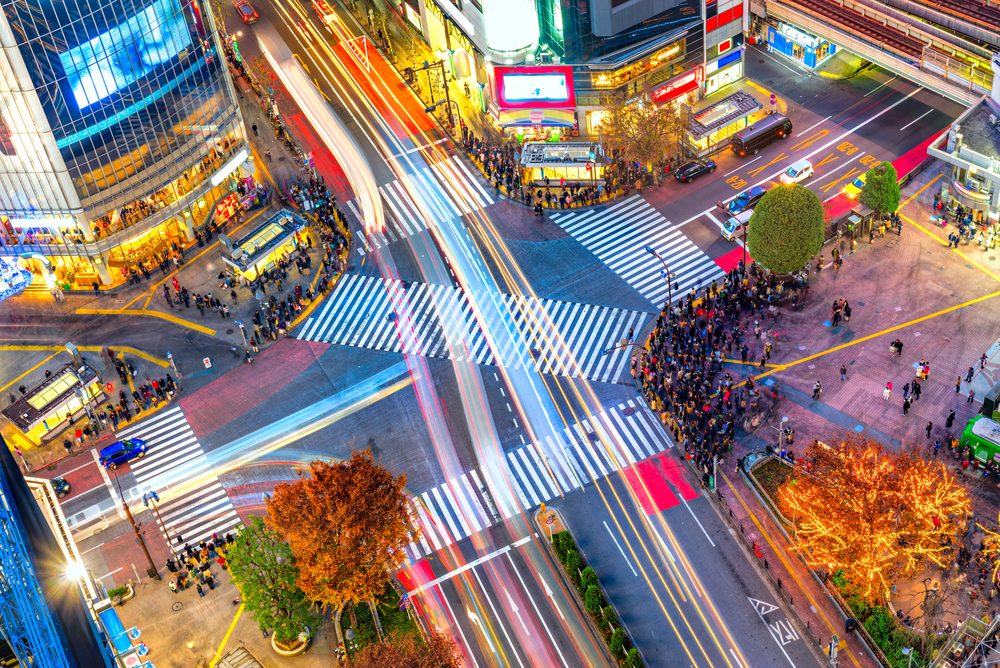
Mapletree North Asia Commercial Trust, a Singapore real estate investment trust, has signed an agreement to purchase two offices in the Greater Tokyo area for USD354.7 million, according to APAC Real Estate.
Having acquired the properties at a net income yield of 4.5 percent from its sponsor Mapletree Investments, the trust aims to diversify their portfolio following the damages sustained by the Festival Walk mall in Hong Kong, which closed on November 13 and will reopen again in the first quarter of 2020.
“The proposed acquisition of the two office towers in Greater Tokyo will contribute to the diversification of MNACT and at the same time, reduce the income and asset concentration of Festival Walk,” said CEO of the trust’s manager Cindy Chow.
More: Japan’s residential property market soars as foreign investors search for a safe haven
The transactions in Tokyo included the Omori Prime building in Shinagawa, which comes with 13 floors and 6,798 square metres of net lettable area, and mBay Point Makuhari building in Chiba City, which has 26 storeys, 84,785 square metres of net lettable area, and an 84.8 percent occupancy rate.
“The properties in Japan are freehold, and provide a relatively higher yield spread against the local cost of funds compared to the Greater China market,” added Chow.
“Well-located in attractive office hubs in the Greater Tokyo area and with convenient access to public transport nodes, the properties have good specifications and are cost-efficient locations for tenants.”
The Omori asset is situated within the 23 wards of Tokyo, near the trust’s existing TS Ikebukuro, IXINAL Monzen-nakacho, and Higashinihonbashi 1-chome buildings.
Meanwhile, the mBay property is in the Makuhari business district, the same area where its Fujitsu Makuhari and SII Makuhari stand.
Both acquisitions combined have 53 tenants, with a weighted average lease expiry of at least 3.4 years.
Recommended
Is China’s housing market finally turning a corner?
Shanghai’s property revival raises hopes, but falling prices elsewhere point to a long recovery
Opportunity or trap? What Washington’s high-tech hub outside Manila means for Philippine property
The New Clark City Economic Security Zone promises billions in investment, but at what cost to Philippine sovereignty?

What Japan’s policy rate hike means for its property market
After decades of near-free borrowing, the country's policy rate is starting to reshape the calculations behind property investment

A conversation with the head of Vietnam’s Green Building Council on the cost of doing nothing
The VGBC’s Douglas Snyder argues that the real cost developers should fear isn’t building green. It’s failing to do so