Revenue through property registration slightly revives in Chennai
Experts say the slow revival is due to secondary investments in Chennaiites’ hometowns
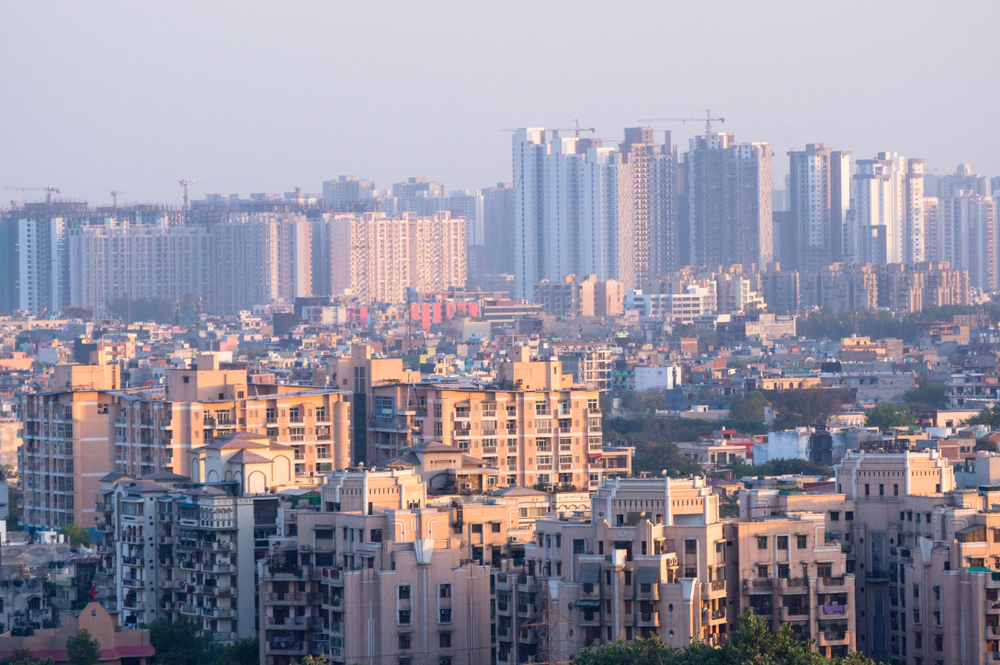
In January, property registration revenue in Chennai, India, showed a marginal increase of four percent, after a decline due to the COVID-19 pandemic, reported The Times of India.
Despite this slight improvement, this revenue is still considered minimal, as the Chennai zone in pre-COVID times accounted for an average of 45 percent of the state’s total revenue.
According to the registration department data, Chennai zone accounted for 36 percent of the total revenue in January, an increase from the 32 percent that lasted until December 2020.
While the value of registrations in January 2021 increased by eight percent in January 2020, about 10,430 additional documents were registered in 2021 over the same period in 2020.
With the exception of Chennai and Thanjavur zones, all other districts have either equalled or exceeded previous year volumes in the number of property registrations compared to 2020.
Real estate experts believe that the slow revival in Chennai zone can be attributed to the secondary investments made by numerous city residents in their native places.
More: India aims to attract overseas capital by easing foreign investment rules
Srinivas Anikipatti, senior director of Knight Frank India (Tamil Nadu and Kerala), said that many Chennaiites who relocated to their hometowns during the pandemic would rather invest there.
“But for coronavirus, these secondary investments would have been made in Chennai and its neighbourhood,” he said.
The total revenue through property registrations hit nearly INR8,000 crore (USD1.1 billion) between April 2020 and January 2021. The revenue is forecasted to reach INR10,000 crore in the current fiscal, depending on the declaration of the model code of conduct for ensuing assembly election.
Recommended

A conversation with the VGBC’s executive director on the risk of not building green
The Vietnam Green Building Council's Douglas Snyder argues that the real cost developers should fear isn't building green

These 6 projects are among Asia’s greenest in 2026
Proof that better buildings are defined as much by how they operate as how they look
Indonesia’s property market feels the pinch of a reeling rupiah
As Jakarta tightens its grip on strategic minerals, investors are fleeing, leaving the property sector in limbo

Japan’s cities boom as rural towns hollow out
Millions of homes sit abandoned as the forces reshaping Japan's property market pull in opposite directions