India aims to attract overseas capital by easing foreign investment rules
A plan to authorise limited liability partnerships is under discussion
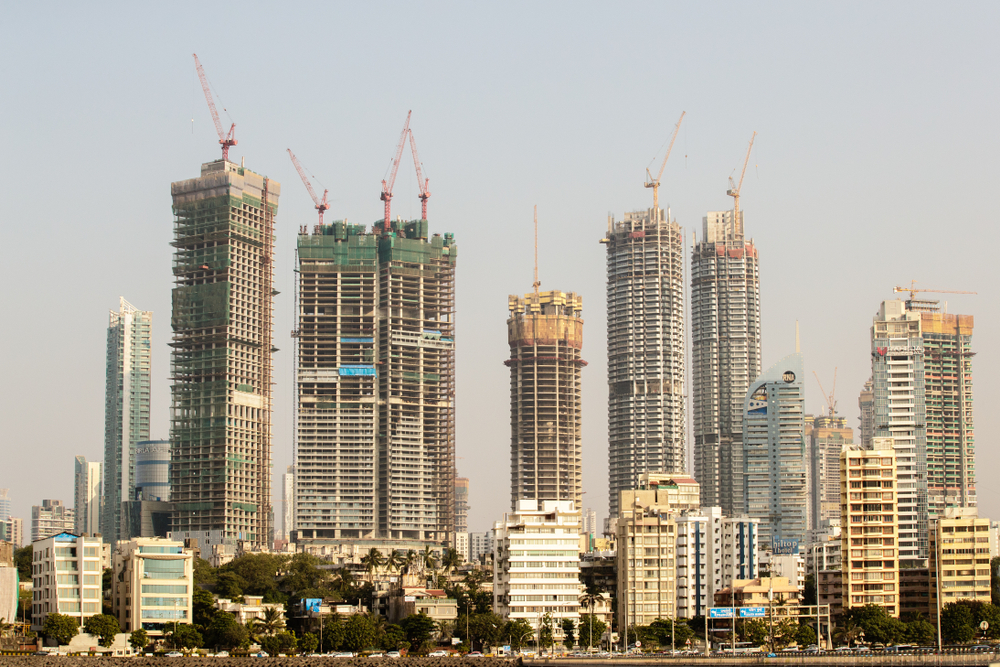
According to Realty.com, India proposes to attract foreign direct investment, in hopes to create jobs in this pandemic-facing economy, by easing foreign investment rules for various sectors, including construction.
A plan to authorise limited liability partnerships to invest in the construction of roads, hotels, townships, and hospitals is under discussion.
As a result of the pandemic, India’s economy has contracted heavily and unemployment is still increasing, even months after the pandemic-induced lockdown.
Allowing limited liability partnerships will unfold a new investment avenue during this hardship. The government approximates that India will need USD777 billion worth of investment across infrastructure for development by 2022.
More: Moody’s: 2021 looks brighter for Indian corporates
Government data indicated that the construction sector received foreign investment inflows worth USD25.7 billion from April 2000 to September 2020.
The easing of rules will also place Prime Minister Modi’s government a step closer to its target of developing affordable housing for residents in urban areas by 2022, including the construction of 100 smart cities.
Recommended
Is China’s housing market finally turning a corner?
Shanghai’s property revival raises hopes, but falling prices elsewhere point to a long recovery
Opportunity or trap? What Washington’s high-tech hub outside Manila means for Philippine property
The New Clark City Economic Security Zone promises billions in investment, but at what cost to Philippine sovereignty?

What Japan’s policy rate hike means for its property market
After decades of near-free borrowing, the country's policy rate is starting to reshape the calculations behind property investment

A conversation with the head of Vietnam’s Green Building Council on the cost of doing nothing
The VGBC’s Douglas Snyder argues that the real cost developers should fear isn’t building green. It’s failing to do so