Malaysia’s property supply still inflated, despite slight decline
Nevertheless, the market could still experience further distress if new properties launched don’t get sold within nine months
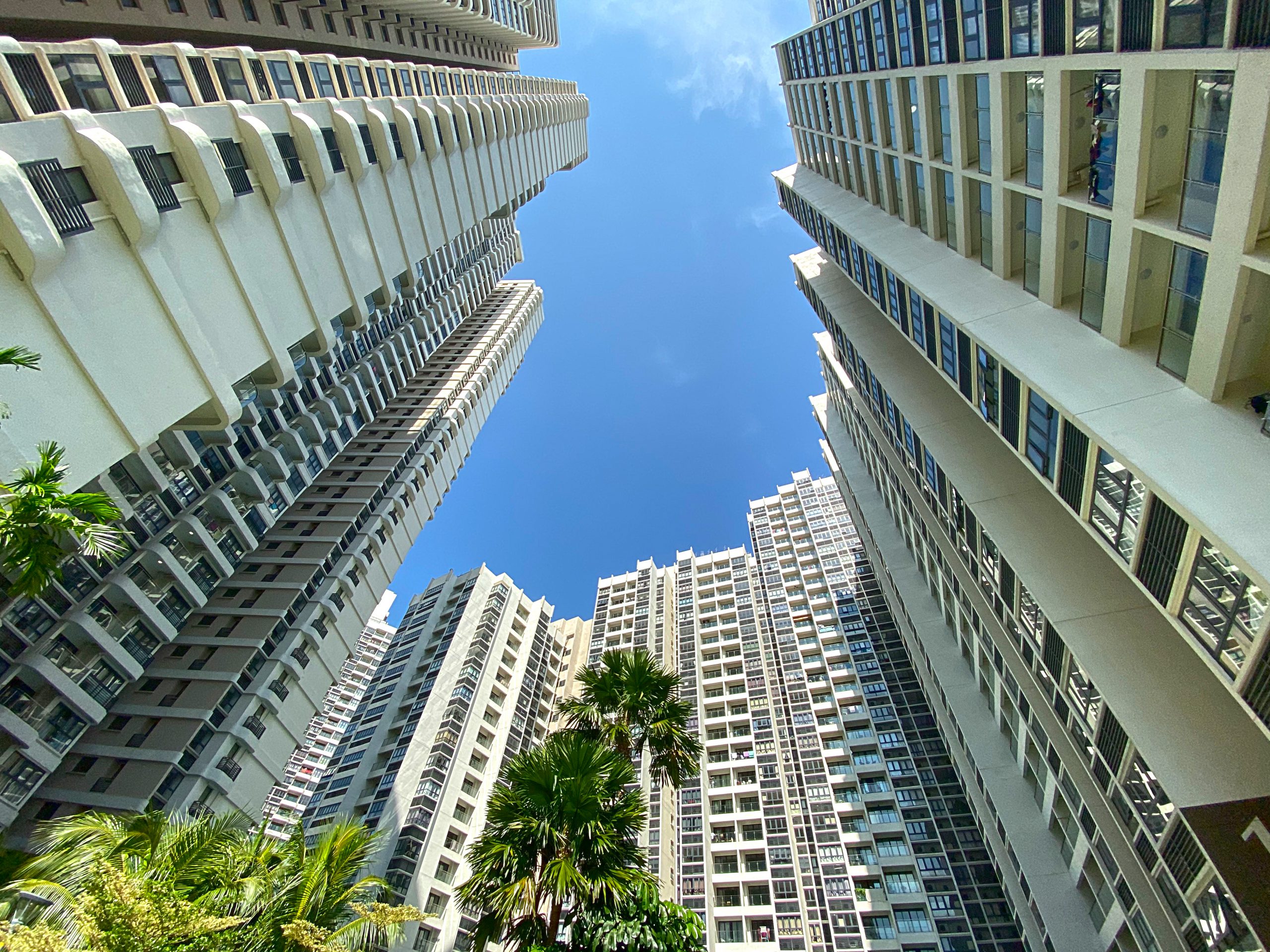
Earlier last week, PropertyGuru Malaysia published their market outlook for 2020, which revealed that the number of overhang units in the country has dropped to 31,092 units worth MYR18.77 billion, the lowest documented in the past three quarters.
Data gathered by the National Property Information Centre (NAPIC) showed that the recent figure is still up 3.2 percent year-on-year, but when compared to the 32,936 overhang units in the first quarter of 2019, the situation has gradually improved.
On the other hand, the overall value of these overhang units is still inflated at MYR18.77 billion, despite dropping 3.9 percent year-on-year, its lowest in the past five quarters.
Analysts believe that the Home Ownership campaign established last year has helped clear some of the stock.
More: Malaysia beats home ownership campaign target
The three states that documented the highest amount of overhang units are Johor at 17.6 percent, Perak at 16.5 percent, and Selangor at 15.7 percent.
Properties valued below MYR500,000 comprise 62 percent of the overhang units, while assets valued at more than MYR1 million account for 12.6 percent.
With the current number of overhang units at 31,092, Malaysia’s property market has recovered, only making up 25.7 percent of unsold units from the 120,909 units launched in the third quarter of 2019.
However, analysts have expressed their concerns regarding the properties that were launched, but are still under construction as the approaching overhang could further distress the property market if they are not cleared within the nine-period of delivery.
Recommended
How China builds its cities twice, first in data and then in concrete
Digital twins of cities manage everything from traffic flow to population density

How Thailand aims to supercharge growth through infrastructure, tourism, and tech
But investors now want proof of execution
6 of Southeast Asia’s finest integrated districts
Master-planned townships are re-emerging as a practical response to rapid urbanisation
6 award-winning projects bringing resort living to the city
Resort residences are increasingly focused on year-round use in urban destinations