Norfolk Island wants to be associated with New Zealand instead of Australia
Survey participants blame the Australian government’s lack of respect for the local culture
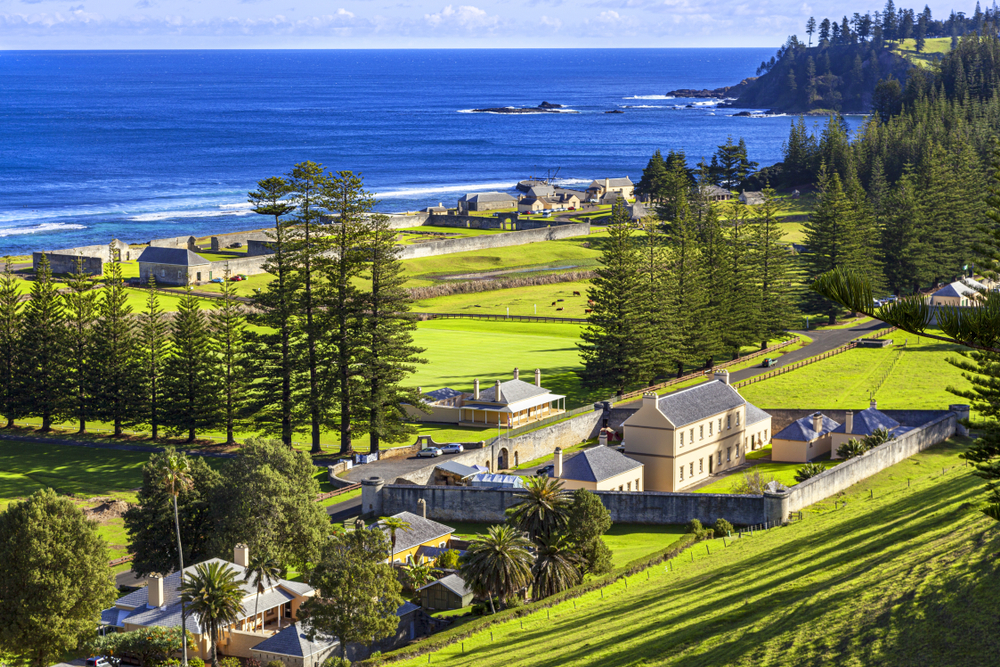
Norfolk Island may officially be a part of Australia, but residents have always felt unrespected by the mainland government and wanted to be associated with New Zealand instead, reported CNN.
The islet is home to 1,800 people in the South Pacific, about 1,440 kilometres from the east coast of Australia and only 805 km from the north of New Zealand. It used to be a self-governing state before the Australian government passed a law that applied mainland regulations on the small island in 2015.
According to realestate.com.au, the changes also opened up more lenient rules for foreign investments, when previously they were only allowed for those who bought a business and ran it for five years before trying for residency.
The new laws, however, did not dwell well with locals. Just this month, Norfolk Island People for Democracy (NIPD) conducted an unofficial survey involving 457 respondents, about a quarter of the island’s total population.
Some 36 percent preferred free association with the Kiwi government only for foreign policy and defence, meaning Norfolk could still be in charge of their domestic matters.
Meanwhile, 35 percent wanted free association with the Australian government, 25 percent desired complete independence, and only three percent chose full integration with the Aussies, which autonomy activists fear could be caused by the direction the government is currently taking.
More: Can foreigners still buy Australian islands?
Candice Nobbs, a member of the management committee of NIPD, explained that they wanted to show how unhappy the locals were about how they were governed. She said that the island’s governance has been controversial for many years.
Since the island started experiencing economic issues and tourism slump, Australia amended how it was governed, applying mainland taxes, social security, and other policies.
While some residents were more welcoming about the new regulations, others believed they were losing their freedom.
Nobbs clarified that it was because of the Australian government’s approach, which showed “lack of respect” towards the local culture, particularly land rights, as though they wanted to take over the island.
Recommended

These 6 projects are among Asia’s greenest in 2026
Proof that better buildings are defined as much by how they operate as how they look

Indonesia’s property market feels the pinch of a reeling rupiah
As Jakarta tightens its grip on strategic minerals, investors are fleeing, leaving the property sector in limbo

Japan’s cities boom as rural towns hollow out
Millions of homes sit abandoned as the forces reshaping Japan's property market pull in opposite directions

What Johor’s data centre boom means for those living beside it
Malaysia's data gold rush is reshaping the state, testing the balance between investment and liveability