New Sri Lankan government attracts $1 billion worth of tourism investment proposals
There had been 61 projects proposed in the tourism sector during the months of March 2020 to June 2021
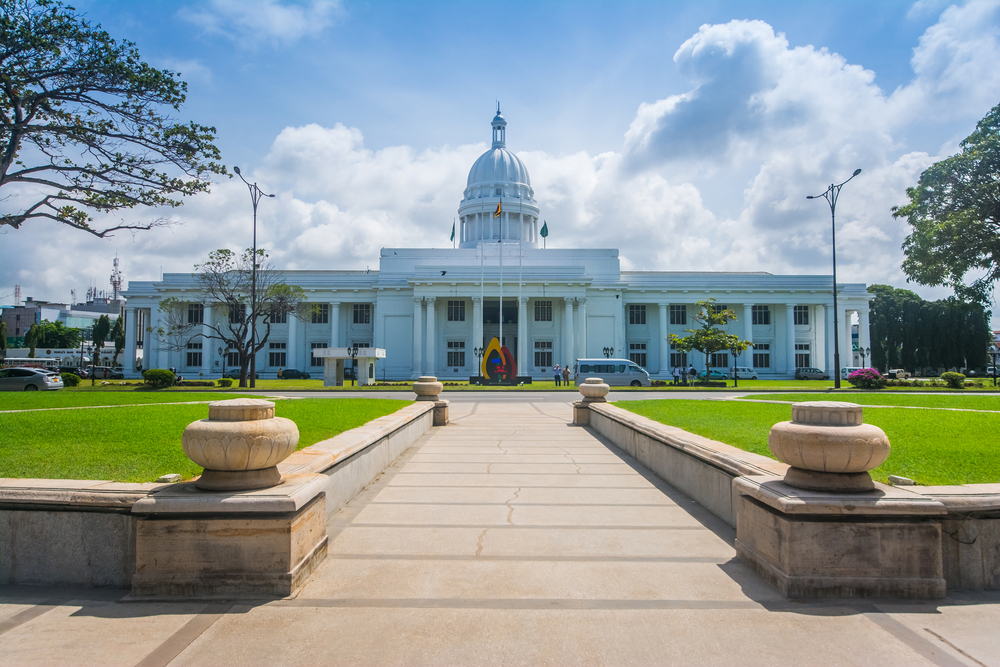
As reported by Daily FT, under the new government, Sri Lanka has attracted almost USD1 billion in investment proposals for the tourism sector, despite the pandemic-induced challenges, said Tourism Minister Prasanna Ranatunga.
Ranatunga stated that there had been 61 projects proposed in the tourism sector during the past 15 months, with estimated funding of USD914 million.
“During the year ending March 2021, there were 54 projects with an envisaged investment of USD880 million, and between April and June 2021 a further seven projects with an investment of USD54 million were received,” Ranatunga said. Proposals included a cable car project, floating restaurants, and underwater art galleries.
29 out of the 61 proposals have been approved by the relevant authorities.
He added that the seven projects that came in during the third wave of the pandemic, suggest that investors and companies remain positive about the outlook of Sri Lanka’s tourism.
More: SEC officials amend Sri Lanka REITs’ tax incentives to attract real estate companies
The Sri Lanka Tourism Development Authority (SLTDA) has also established an Investment Liaison Unit (ILA) to accelerate the approval process.
According to President Gotabaya Rajapaksa’s ‘Vistas of Prosperity and Splendour’ policy statement, more attention has been given to expanding new investment opportunities in the tourism sector.
“Keeping in line with the policy, the Government intends to develop the tourism industry by expanding the fields of recreation-based parks, religion, culture, national heritage, adventure sports, wildlife, and local Ayurveda,” Ranatunga said.
Recommended
6 homes where luxury finds its character
Asia's ultra-wealthy crave stories, values, and vision. Developers respond with bold, meaning-driven creations

This cybersecurity pioneer explains why digital resilience is becoming real estate’s next quality benchmark
Duncan Simpson on the hidden vulnerabilities in connected buildings and why cyber risk is now a property issue

6 projects raising the bar for workplaces across Asia
Smarter systems, tighter operations, and rising occupier expectations redefine the commercial building
As foreign buyers retreat, a new generation of Singaporeans steps up
Affluent locals underpin stability, but a widening gulf between launches and resales reshapes the landscape