New luxury ecosystem shapes Thailand’s high-end travel landscape
From fashion to private jets, leading luxury brands urge industry to focus on experience, identity, and mobility to mark emergence of new era of luxury travel in the kingdom
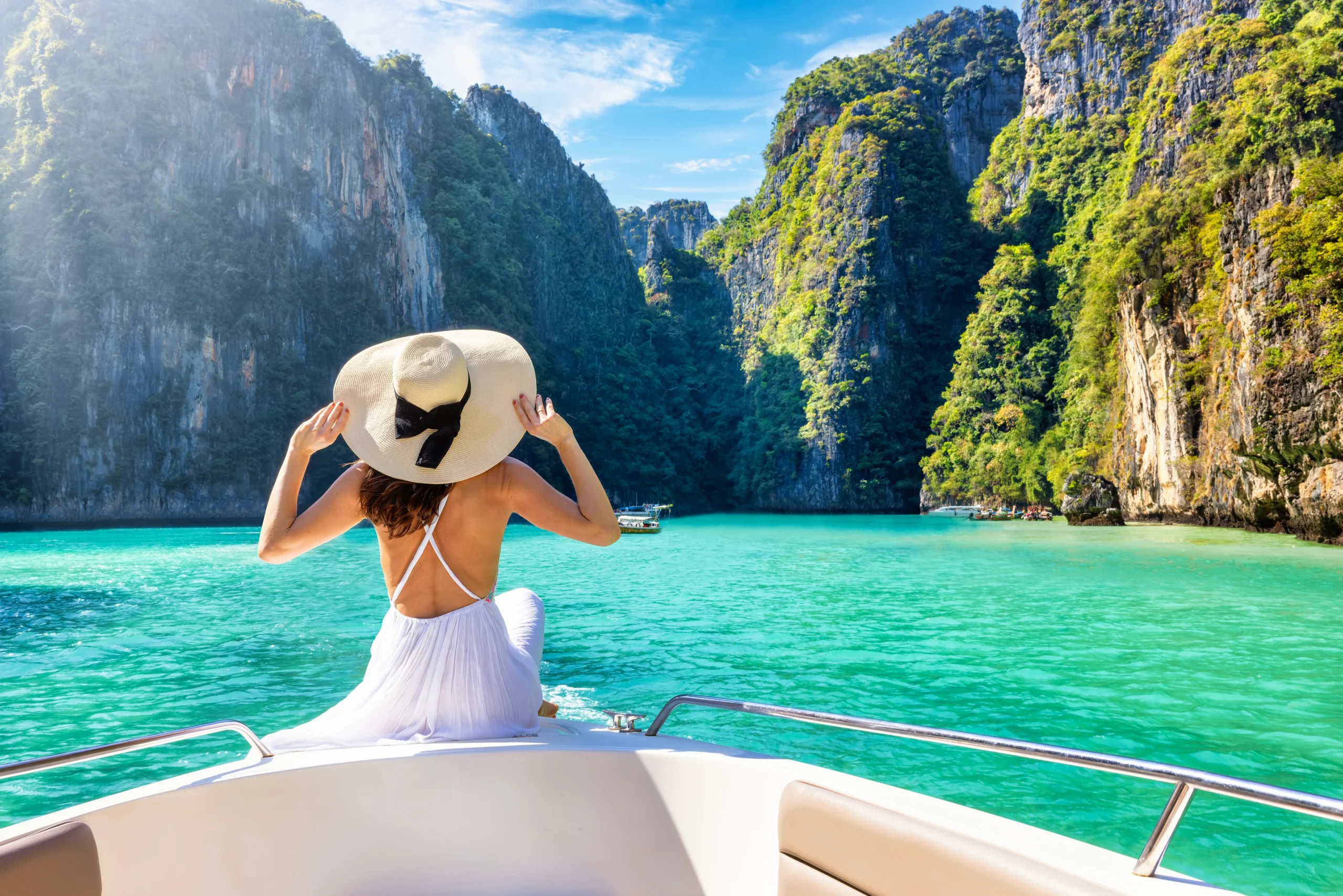
Luxury in Thailand is evolving beyond traditional markers of wealth such as hotels, shopping, and real estate, as lifestyle brands, mobility, and curated experiences increasingly shape how high-net-worth travellers engage with the destination.
Rather than focusing solely on luxury goods or property ownership, affluent consumers are prioritising lifestyle, identity, and personal experiences. This shift is bringing together industries that have traditionally operated independently—including hospitality, fashion, private aviation, yachting and design—as destinations adapt to changing expectations among global luxury travellers.
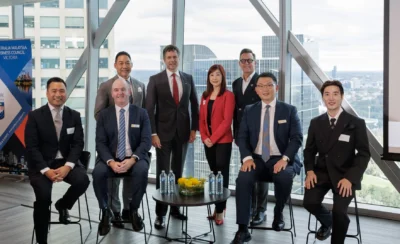
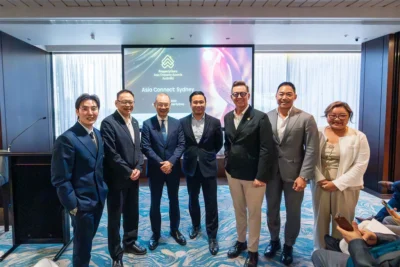
These decisive trends were discussed at the recent Phuket Property Exchange, part of The C9 Sessions, where industry leaders from hospitality, lifestyle brands, private aviation, and the maritime sector explored how luxury travel and living are evolving in Thailand.
“Luxury today is no longer about simply owning a product—it’s about how a brand becomes part of people’s lives,” says Frank Cancelloni, CEO of Jim Thompson. “Over the past few years, we’ve transformed Jim Thompson from a heritage souvenir brand into a global lifestyle brand—expanding into fashion, retail, food, and beverage, and now exploring hospitality and branded residences. The new language of luxury is about storytelling, lifestyle, and emotional connection.”
Related: Why Asia’s cities have become the ultimate test of brand power
Cancelloni’s remarks reflect a broader shift within the luxury sector, where brands are increasingly expanding beyond their traditional categories to create immersive ecosystems. Fashion, hospitality, gastronomy, and residential living are converging to create holistic lifestyle platforms, allowing consumers to engage with brands in more meaningful and personal ways.
In destinations like Phuket, this convergence is particularly visible. Once primarily known as a leisure destination, the island is now evolving into a multi-dimensional lifestyle hub, attracting international buyers and travellers seeking both investment opportunities and a richer way of living. Branded residences, private travel, and curated cultural experiences are key pillars of this new luxury narrative.
Mobility is also playing a defining role in shaping this shift. According to Richard Allen, chief executive officer of Boat Lagoon Yachting, the rise of yachting and marine tourism reflects a growing demand for freedom, privacy and exploration.
“Since the pandemic, we’ve seen significant growth in the yachting sector as clients seek privacy, freedom, and the ability to explore destinations at their own pace,” Allen says. “Phuket offers some of the best cruising grounds in the world, and as people spend more time on the water, we’re seeing a natural connection between yachting, property investment, and long-term lifestyle choices.”

At the same time, private aviation is redefining how luxury travellers access destinations. As global travel patterns evolve, seamless mobility has become an essential part of the luxury ecosystem.
“Once people experience the flexibility and convenience of private aviation, it becomes part of their lifestyle,” says Philippe Leysen, CEO of MJets Private Aviation. “The ability to travel directly from major cities such as Bangkok, Singapore, or Hong Kong to destinations like Phuket has fundamentally reshaped how affluent travellers plan their journeys.”
This transformation is particularly evident among the region’s new generation of high-net-worth individuals, who prioritise efficiency, privacy, and personalised service. For these travellers, mobility is no longer simply about transportation—it is an integral part of the luxury experience itself.
As Cancelloni notes, the brands and destinations that succeed in the future will be those that understand this transformation. “The future of luxury lies in creating experiences that people want to be part of,” he says. “It’s about building emotional connections and offering a lifestyle that resonates far beyond the product itself.”
Recommended
Trade politics and domestic fragility test the Philippines’ property market
How global uncertainty and internal divisions are redrawing the outlook
How the Gold Coast became Australia’s hottest property market
The Queensland beach enclave, previously seen as a pleasure retreat, is becoming a haven for investors
Trust gap slows Chinese tourism and property investment in Thailand
Scam-related narratives accelerate a shift in tourism and property investment away from Thailand
Timor-Leste real estate takes off as nation joins ASEAN
Early signs of a property market emerge amid land-title reform and cautious foreign interest