Malaysia’s GDP grows 8.9% in Q2 2022, FDIs to support local tech players and real estate sector
The country’s FDI position grew three percent in Q2, reaching USD188.2 billion
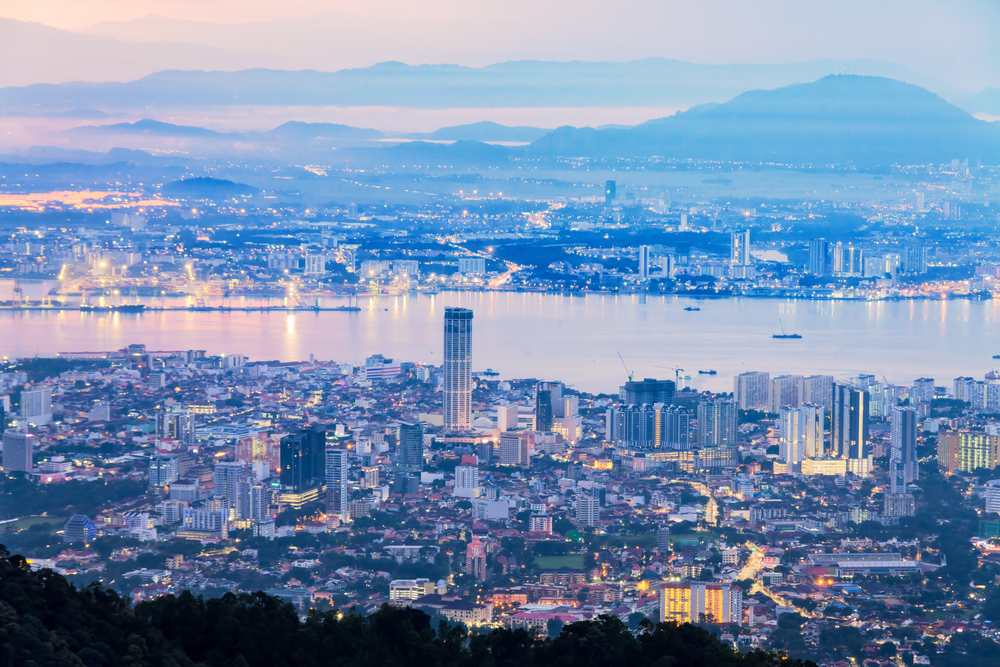
Reuters reported that since reopening its borders in April, Malaysia’s economy has been on the path of recovery.
In Q2, it expanded at its fastest annual pace in a year on the back of domestic demand and resilient exports. However, due to slower global growth, this momentum may be at risk.
GDP grew 8.9 percent in Q2 2022 compared to the same period last year, faster than Reuters’ 6.7 percent growth forecast.
The country’s FDI position grew three percent in Q2, reaching USD188.2 billion, up from USD182.7 billion in Q1, reported Xinhua.
As reported by the Department of Statistics Malaysia (DOSM), manufacturing was the largest recipient of foreign investment, valued at USD81 billion.
More: Malaysia weighs in on how foreign and domestic investments can help the economy recover
Meanwhile, Kenanga Research remains optimistic about local semiconductor players, according to theStar. The firm believes that in the next two years, FDI inflows will continue to support local tech players.
“Dubbed the Silicon Valley of Malaysia, Penang has been the go-to location for many multinational corporations that are looking to expand their capacity,” the firm noted.
Penang received MYR14.1 billion (USD3.1 billion) and MYR76.2 billion (USD17 billion) in FDI in 2020 and 2021, respectively, while MYR6.3 billion (USD1.4 billion) was received in Q1 2022.
Furthermore, Sabah recorded MYR5.1 billion (USD1.1 billion) in foreign investments during the first half of the year, Free Malaysia Today.
Chief minister Hajiji Noor said Malaysia set a record high of MYR26.7 billion (USD6 billion) in FDI in Q4 2021, followed by MYR23.3 billion (USD5.2 billion) and MYR24.1 billion (USD5.4 billion) in Q1 and Q2 2022, respectively. This brought the total FDI inflows for the nine-month period to MYR74.1 billion (USD16.5 billion), surpassing the total FDI from the years 2018 to 2021.
Malaysia’s economy is expected to slow in coming quarters as commodity prices drop and border reopening boost fades, according to Capital Economics.
The Property Report editors wrote this article. For more information, email: [email protected].
Recommended
How the Gold Coast became Australia’s hottest property market
The Queensland beach enclave, previously seen as a pleasure retreat, is becoming a haven for investors
Trust gap slows Chinese tourism and property investment in Thailand
Scam-related narratives accelerate a shift in tourism and property investment away from Thailand
Timor-Leste real estate takes off as nation joins ASEAN
Early signs of a property market emerge amid land-title reform and cautious foreign interest

Macau market weakness persists despite economic rebound signs
As Macau’s gaming revenues surge back to life, its residential property market remains stuck on a losing streak