Japanese corporates sell off headquarters amid pandemic
Management consultant says offices will continue to decline in city centres, leaving only hotels and commercial businesses
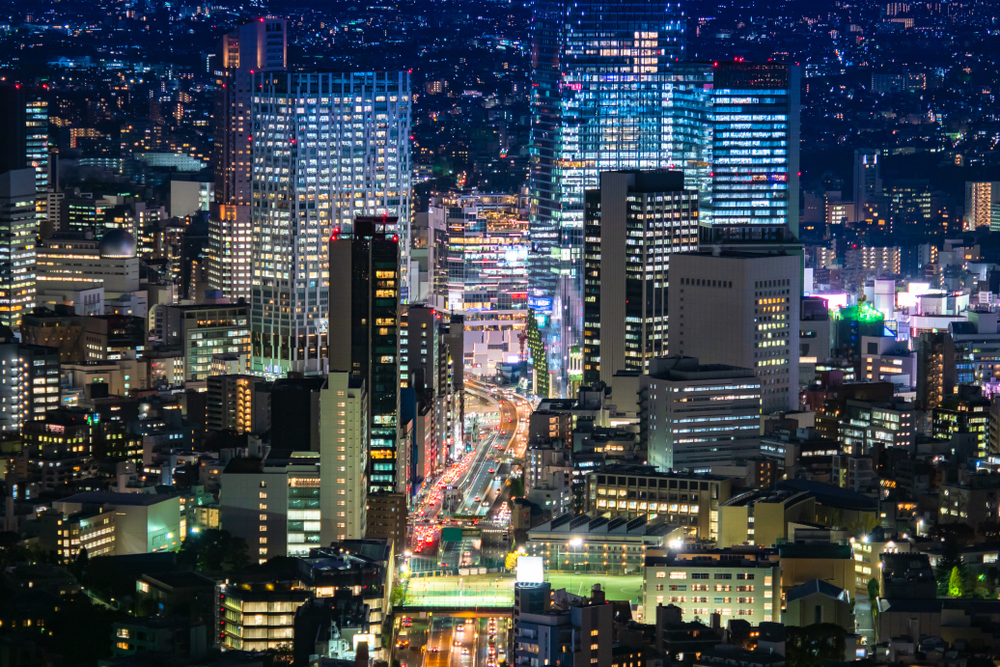
According to The Japan Times, major Japanese corporates are contemplating on selling off their esteemed headquarters located in central Tokyo, as COVID-19 continue to affect and reshape business models.
In a country like Japan, where the population is dense and prime land is precious, pandemic-induced changes in the property market have reflected economic trends and tough times during the pandemic.
A weekly feature in Shukan Jitsuwa highlights the number of leading Japanese companies selling off their headquarters in Tokyo. Earlier this month, Dentsu Group Inc., one of the country’s largest advertising agencies, was planning to list its corporate headquarters on the market for an estimated JPY300 billion (USD2.8 billion).
“The main reason why Dentsu is contemplating a sell-off of its headquarters building is the downturn in business,” said a reporter.
“In the fiscal period ending last December, the company reported an 11.3 percent decline in revenue, giving a deficit of JPY928.7 billion. Due to the coronavirus pandemic, conditions in the advertising business have been rough. This is the second consecutive year that Dentsu has finished in the red.”
More: Tokyo apartments reach peak prices in 10 years
Nippon Express, a major transport firm, is also thinking of putting its 28-storey headquarters up for grabs. The Marubeni trading firm announced plans to relocate its headquarters from Nihonbashi to a smaller building in Otemachi.
However, a management consultant suggests optimistic guidance, saying “offices will keep vanishing from the city centre, leaving only hotels and commercial businesses.”
“Investment funds are saying that properties that had been frozen up to now are starting to move due to the coronavirus pandemic. These are once-in-a-lifetime opportunities that buyers should grab at any cost, and then start thinking about what to do with them afterwards,” the consultant added.
Recommended
Is China’s housing market finally turning a corner?
Shanghai’s property revival raises hopes, but falling prices elsewhere point to a long recovery
Opportunity or trap? What Washington’s high-tech hub outside Manila means for Philippine property
The New Clark City Economic Security Zone promises billions in investment, but at what cost to Philippine sovereignty?

What Japan’s policy rate hike means for its property market
After decades of near-free borrowing, the country's policy rate is starting to reshape the calculations behind property investment

A conversation with the head of Vietnam’s Green Building Council on the cost of doing nothing
The VGBC’s Douglas Snyder argues that the real cost developers should fear isn’t building green. It’s failing to do so