Japan gets four straight years of land price rises
Famous Tokyo shopping district remains the country’s most expensive for three decades
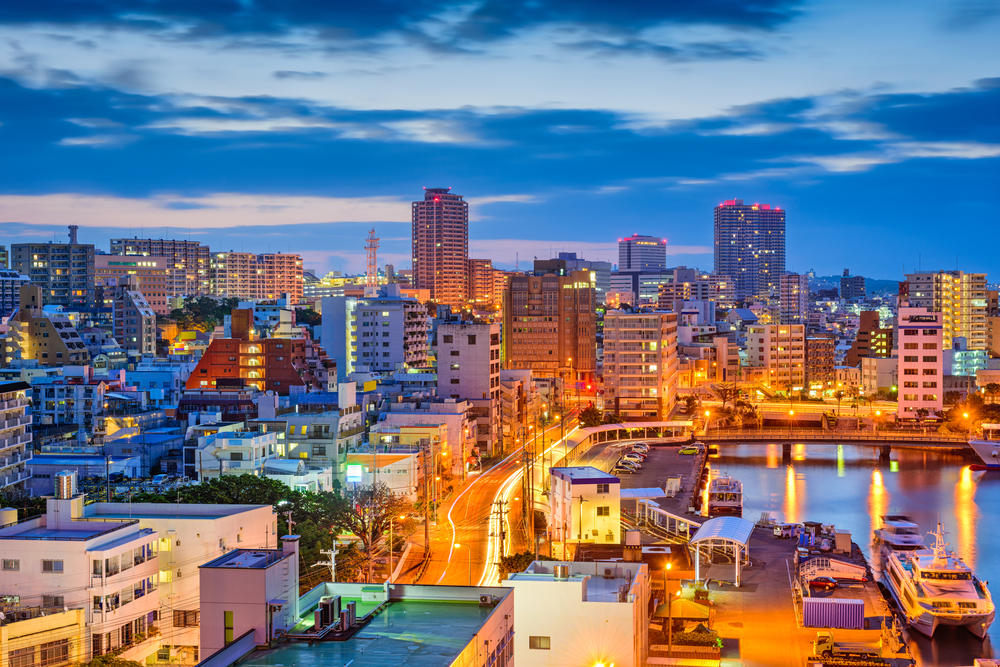
Driven by the flurry of tourism into the country and robust activity in the office sector, Japan saw its land prices rise for a fourth year in a row in 2018, official figures showed.
Land prices in Japan on average rose 1.3 percent in 2018, up from 0.7 percent in 2017, data from the National Tax Agency revealed.
The rise appears to “reflect brisk demand for infrastructure and urban redevelopment projects” as well as the impact of low interest rates on housing, the agency explained via Reuters.
Plots in Tokyo remain among the most sought-after, with land in Ginza climbing to a record JPY45.6 million (USD423,500) per square metre.
More: Japan’s niche real estate sectors are enticing investors
This marks the 34th consecutive year the famed shopping district has been dubbed Japan’s most expensive land. However, the increase in Ginza last year was just 2.9 percent, compared with an increase of 9.9 percent the previous year.
Among prefectures, Okinawa had the fastest-growing land prices, accelerating 8.3 percent last year to Tokyo’s 4.9 percent.
Within Okinawa, a prefecture riding on an ongoing tourist boom, the city of Naha saw the price of one block hit JPY1.03 million per square metre last year, a staggering 39.2 percent increase.
The tax agency’s survey culled data from 320,000 plots all over the archipelago.
Recommended

How China became the testing ground for Zaha Hadid Architects’ boldest ideas
A conversation with associate director Shao-wei Huang on architecture without precedent

Allan Zeman on Phuket’s luxury evolution and the vision behind Sudara
The real estate legend is harnessing his deep knowledge to take the residential sector in Phuket to new heights

6 projects proving affordable housing can be done right
A new generation of developers proving that affordability and quality design can build a fairer urban future

He conquered high finance. Now FollowTrade’s Roy Ling preaches patience
A chat with the new chair of the PropertyGuru Asia Property Awards (Singapore)