Interior design in 2022 will create ‘a home away from home’
Other design trends cover all areas from advanced technology to constructing a fantasy world
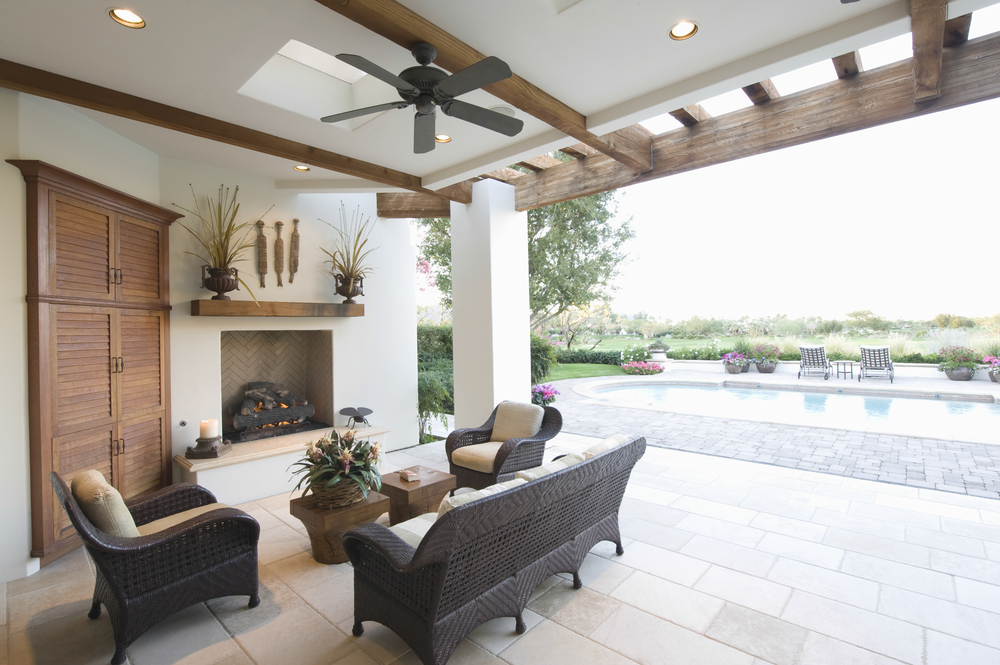
As the pandemic unexpectedly changed the landscape of all industries and the way people live, here are some of Wimberley Interiors’ predictions of interior design trends in 2022.
Mobile phones are an essential part of our daily lives, helping us in various ways from checking-in to hotels to controlling devices for a comfortable stay. Hence, contactless service is here to stay as technology advances our world.
Pandemic lockdowns have forced people to spend more time at home more than ever. Hospitality design that creates a ‘home away from home’ will be increasingly widespread, including designs that have longevity and sustainability.
As consumers become more environmentally conscious, designers will also have to adapt to such high standards and be creative in converting, restoring, and repurposing everything old into something new again.
Social media has become a platform for people to express who they are and share their life experiences. With international travel still restricted, social media will only become more important, as well as unique and interesting architectural features that serve as virtual signposts for brands.
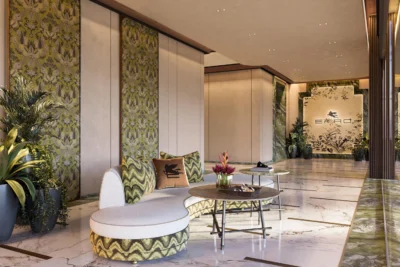
With all the chaos going on in the world, rounded furniture, soft contrasts, and light with minimalist interior design choices will be popular.
More: Innovation and real estate, a harmony we’ve been missing
The trend of ‘escapism’ will continue through 2022, as F&B sees a push towards the concept of immersive, regional, bold escapism. Authenticity will remain important, but so will the immersion into a fantasy world to explore a story, world, and identity.
Wimberly Interiors is an award-winning interior design studio of multidisciplinary firm WATG, whose regional managing director Asia Pacific + China, Robert Day, was a speaker at the “Innovation+RealEstate” webinar organized by ARES and C9 Hotelworks.
The Property Report editors wrote this article. For more information, email: [email protected].
Recommended
What comes next for Southeast Asian real estate in 2026
From return-to-office realities to climate and tech disruptions, Southeast Asia’s residential markets are being reshaped by deeper forces

Foreign demand recalibrates in Southeast Asia housing markets
Even amid global headwinds, Southeast Asia’s property markets hold appeal for foreign buyers
Tariffs and turmoil test Singapore homes as suburbs hold firm
Foreign levies, regional wars, and buyer fatigue are putting pressure on the city-state’s housing market

Gulf luxury markets lure global capital amid policy shift
Gulf nations are shaking off a reputation for overt bling to lead a post-pandemic luxury boom