A conversation with ThirdHome founder Wade Shealy
How luxury exchange reshapes home ownership, travel, and asset use
Luxury home exchange has spent years sitting in an awkward space between real estate and travel. Too often, it has been framed as a workaround for underused second homes or an alternative to timeshare. Both miss the point. What has changed, particularly since the pandemic, is not the idea of exchange itself, but how affluent owners now think about time, place, and use. Second homes are no longer seasonal escapes or occasional indulgences. They are lived in, used for weeks at a time, and shared across families. Expected to support work, wellness, and daily routines alongside downtime.
At its simplest, luxury home exchange allows owners of high-end second homes to use their properties as travel currency. Homes are made available within a closed network of verified owners, earning credits that can be used to stay in comparable residences elsewhere. Exchange operates as an extension of ownership rather than a rental transaction. That shift has expanded the role these homes play within global travel patterns, particularly for high-net-worth individuals moving between regions. A villa in Phuket can function as a winter base. A coastal property in Australia becomes a place to settle for longer periods. Travel is slower, stays extended, and the line between ownership and access has softened.
In turn, this has exposed the limits of existing models. Traditional rentals tend to prioritise yield, often at the expense of stewardship. Timeshares provide access, but little flexibility. For owners holding high-value assets—and for developers selling into a globally mobile buyer base—neither reflects how luxury homes are used today.
Related: Luxury home exchanges find footing in Asia
Founded in the aftermath of the Global Financial Crisis, ThirdHome set out to address that gap by building an exchange network designed for verified luxury homeowners. The platform positions residences as part of a curated, member-led ecosystem that prioritises quality, trust, and comparability at scale.
What began as a largely US-centric concept has since expanded into a global network, with Asia Pacific emerging as a key growth area. As resort destinations across Southeast Asia and Australia mature, and as branded residential developments raise expectations around service and standards, curated exchange is becoming part of a broader conversation about how luxury second homes deliver value beyond ownership.
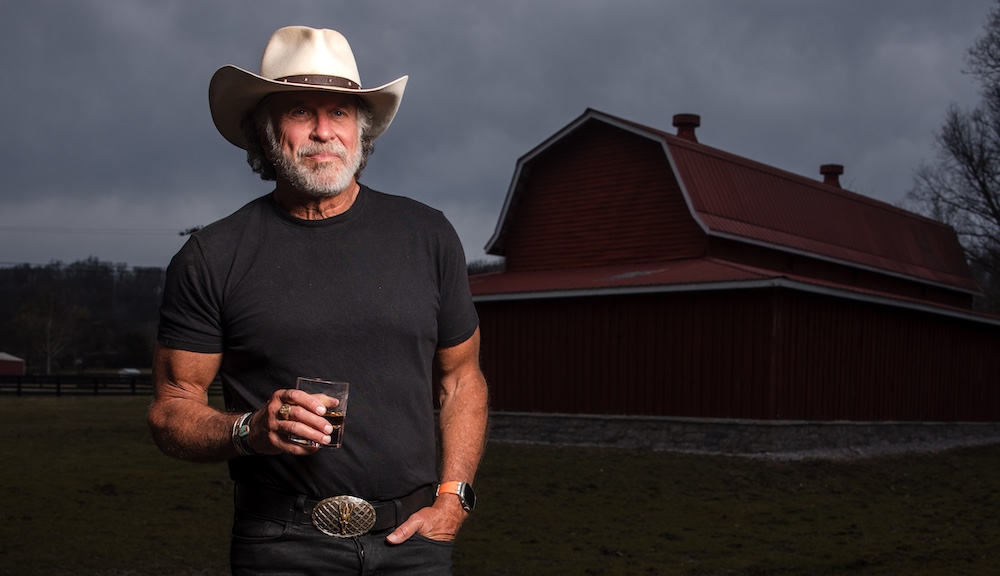
ThirdHome founder Wade Shealy has had a front-row view of those changes. We recently discussed how the platform has evolved, what member behaviour reveals about post-pandemic travel patterns, and why Asia-Pacific resort markets are likely to play a larger role in the next phase of luxury second-home ownership.
What originally inspired you to create a luxury home-exchange club?
I’d spent years watching luxury second homes sit empty for most of the year. Owners would use them briefly, then lock them up again. At the same time, they were travelling elsewhere and staying in hotels or rentals that didn’t really match what they already owned. Timeshare never appealed. It was rigid and didn’t carry any sense of pride of ownership. Renting out a personal home brought its own set of concerns around control and care. What felt missing was a way for genuine luxury homeowners to exchange homes with people like themselves, without losing standards or peace of mind. That was the starting point for ThirdHome: creating a trusted exchange model that allowed owners to unlock real travel value from homes they already loved.
For those unfamiliar with the concept, how does ThirdHome work in practice?
It’s a members-only exchange network open exclusively to verified luxury homeowners. Members make their second homes available to the network and earn Keys based on the nights they contribute. Those Keys can then be used to stay in other homes within the platform. The key part is comparability. Every home is vetted before it’s accepted, and the portfolio is curated continuously. That keeps expectations aligned. You’re not handing your home over to strangers, and when you travel, you know what you’re arriving at. Our role is about maintaining that balance. If the quality slips at either end, the model stops working.
Since the pandemic, how has the way high-net-worth owners use second homes changed?
Second homes have become much more central to how people plan their lives. They’re no longer just places for short breaks. Owners are spending weeks at a time in them, travelling with extended family, and building routines around those stays. Work-from-anywhere accelerated that shift. People want homes that function properly day to day: space to work, to host family, to slow down. Comfort and familiarity now matter more than novelty.
What are you seeing in terms of where members are travelling and the types of properties they gravitate towards?
We haven’t released detailed data publicly, but the direction of travel is clear. Demand is strongest for experience-led destinations paired with high-quality private homes, particularly resort villas that offer space, privacy, and access to services. Southeast Asia stands out. Members are drawn to destinations that combine lifestyle, wellness, culture, and nature, but still allow them to live comfortably for longer periods. Homes with strong design, generous layouts, and a sense of place consistently perform well. Those patterns are a big part of why the region has become a growing focus for us.
Asia Pacific has become a much bigger part of the luxury leisure map. How does the region fit into ThirdHome’s growth?
Asia-Pacific has become a key growth region as more buyers across the region acquire second homes, both locally and overseas. Thailand works well as a gateway market. It has established resort destinations, strong international demand, and a growing base of high-quality residential developments. We’re also seeing momentum across Southeast Asia more broadly, as well as in Australia, both in terms of inventory and membership. The region suits longer stays and repeat use, which aligns closely with how our members travel today.
Do Asian owners approach second-home ownership differently from your US and European base?
There’s a strong emphasis on trust, service, and reputation. Asian members tend to value branded residences and managed environments because they offer reassurance around standards and delivery. Privacy matters, as does confidence in the quality of each stay. That expectation aligns well with a curated exchange model, where access is controlled, and the experience is consistent across the network.
You work closely with developers, luxury resorts, and branded residential projects. What makes a property a good fit?
The strongest fit is a property that already appeals internationally and is designed for real use, not just visual impact. Branded residences and high-end resort developments work particularly well because they combine residential comfort with service and management. For developers, exchange access adds a practical layer of lifestyle value. Buyers are no longer just purchasing a home in one location; they’re buying into a wider network that supports how they travel elsewhere. That can strengthen sales conversations and extend the relationship with owners long after completion.
When inventory is member-owned, how do you maintain standards and trust?
It starts with screening. Every home is reviewed before it’s accepted. From there, standards are reinforced through feedback and peer accountability. Members know they’re hosting people who own homes of similar quality, and that expectation shapes behaviour. Service plays a big role, too. Our team supports members throughout the exchange process and steps in quickly if issues arise. But what really sustains the platform is the community itself. People take pride in hosting well. Some of the strongest stories we hear are simple ones: thoughtful communication, local recommendations, small gestures on arrival. Over time, members build relationships. That sense of reciprocity is what keeps standards high.
Looking ahead, where do you see the luxury second-home market heading?
Ownership is becoming more connected and more flexible. People want assets that are used, not left idle. Homes that support travel, mobility, and lifestyle across regions are becoming more attractive. For developers and owners in Asia, the focus should be on quality and long-term use rather than short-term metrics. Projects that integrate service, design, and access into broader networks will be better positioned as buyer expectations continue to shift. The underlying behaviour is already there. The market is simply catching up.
This article was originally published on asiarealestatesummit.com. Write to our editors at [email protected].
Recommended

A conversation with ThirdHome founder Wade Shealy
How luxury exchange reshapes home ownership, travel, and asset use
Trade politics and domestic fragility test the Philippines’ property market
How global uncertainty and internal divisions are redrawing the outlook

How the Gold Coast became Australia’s hottest property market
The Queensland beach enclave, previously seen as a pleasure retreat, is becoming a haven for investors
Trust gap slows Chinese tourism and property investment in Thailand
Scam-related narratives accelerate a shift in tourism and property investment away from Thailand