Australia’s most green-friendly hotel calls Melbourne its home
The new Holiday Inn Express is expected to consume 25 percent less energy
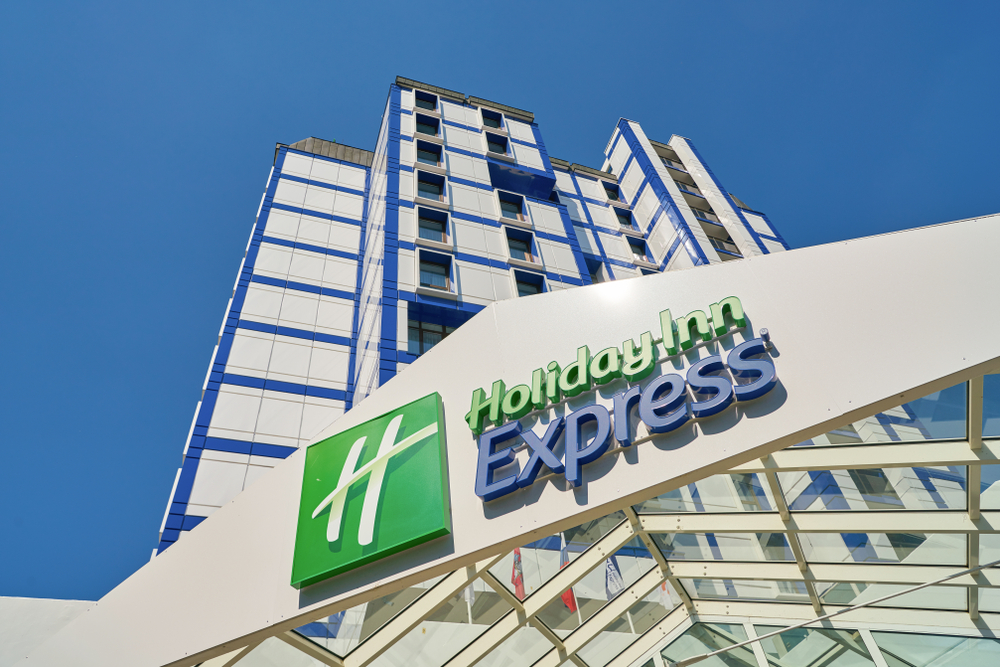
Having achieved the five-star NABERS clean energy rating, boutique investment firm Pro-invest officially welcomed guests to the Holiday Inn Express Melbourne Southbank, the most environment-friendly hotel in Australia on February 6, reported the HM.
The 22-storey project consumes 25 percent less energy compared to similar properties. It is the first commercial hotel to be supported by government-owned Clean Energy Finance Corporation (CEFC),
Situated on City Road in the Southbank precinct of Melbourne, the 345-room hotel will incorporate green initiatives, including energy-regenerating elevator drives, high-performance window glazing, air-cooled chillers, solar photovoltaic systems, condensing boilers, refillable dispensers for bathroom amenities, and use of non-plastic utensils and water bottles.
More: Residential homes in Australia end 2019 with a 1.2% monthly price increase
The Holiday Inn Express will be part of a mixed-use development that will house 4,500 square metres of commercial space and 370 sqm retail space.
Ronald Barrott, CEO of Pro-invest, said that it was crucial for their new hotel to set an example in integrating energy-saving technology for the future of the industry.
“By its very nature, the hotel industry is a high energy user, with the Cambridge Institute for Sustainability Leadership estimating that tourism contributes about 5 percent of global greenhouse gas emissions. It’s important for new hotels to invest in energy-efficient design and construction, and incorporate state-of-the-art environmental measures across the full-operation of the hotel.”
“A 25 percent reduction in energy-use pays both environmental and economic dividends. It certainly requires greater investment, but in the long-term, we are very confident that the measures will increase the overall value of the property,” he concluded.
Recommended

What Japan’s policy rate hike means for its property market
After decades of near-free borrowing, the country's policy rate is starting to reshape the calculations behind property investment

A conversation with the head of Vietnam’s Green Building Council on the cost of doing nothing
The VGBC’s Douglas Snyder argues that the real cost developers should fear isn’t building green. It’s failing to do so

These 6 projects are among Asia’s greenest in 2026
Proof that better buildings are defined as much by how they operate as how they look
Indonesia’s property market feels the pinch of a reeling rupiah
As Jakarta tightens its grip on strategic minerals, investors are fleeing, leaving the property sector in limbo