Residential homes in Australia end 2019 with a 1.2% monthly price increase
With the two largest cities, Australia and Melbourne, driving the growth for the entire country
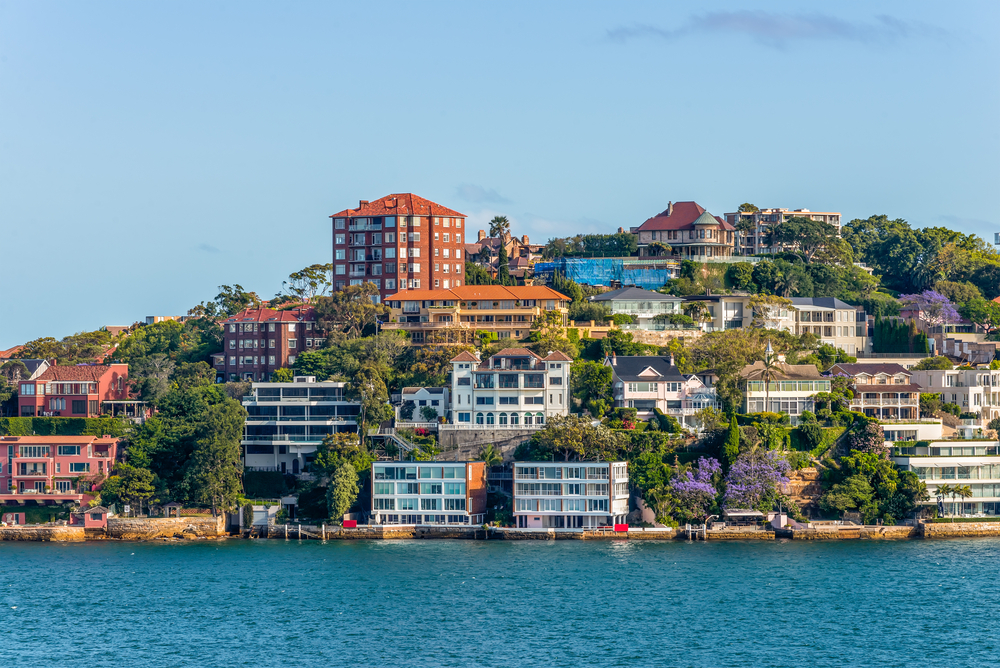
By the end of 2019, property values throughout the major cities of Australia rose by 1.2 percent, beckoning another robust monthly performance for the country, reported Elite Agent, citing data from CoreLogic.
Both Sydney and Melbourne drove the price surge across the country, with 1.7 and 1.4 percent respectively. During the past year, home prices hiked up 5.3 percent.
“The positive year-end results mask what has been a year of two distinct halves – we saw capital city dwelling values fall by 3.8 per cent over the first six months of 2019 and then rebound by 7.0 per cent over the second half of the year,” said Tim Lawless, Asia Pacific head of research at CoreLogic.
“The housing value rebound was spurred on by lower mortgage rates, a relaxation in borrower serviceability assessments, improved housing affordability, and renewed certainty around property taxation policies post the federal election. Lower advertised stock levels persisted providing additional upwards pressure on prices amidst rising buyer activity.”
More: Lucrative Australian suburbs to invest in 2020
Despite the strong recovery of the country in the second half of the year, property prices in most regions are still lower than their former record highs.
The price increase throughout Australia curbed in December, dropping at 1.1 percent in contrast to 1.7 percent a month before. Real estate transactions also decelerated considerably during the holiday period.
CoreLogic believes that the real challenge will come in 2020 as more stocks begin to hit the market in the midst of the high prices, especially in Sydney and Melbourne.
As for the rest of the country, most of the capital cities experienced minimal growth. Brisbane at 0.7 percent and Adelaide at 0.5 percent were the only cities to witness substantial growth.
Meanwhile, Darwin remained to be the weakest in the country, dropping at -0.5 percent.
Recommended
Is China’s housing market finally turning a corner?
Shanghai’s property revival raises hopes, but falling prices elsewhere point to a long recovery
Opportunity or trap? What Washington’s high-tech hub outside Manila means for Philippine property
The New Clark City Economic Security Zone promises billions in investment, but at what cost to Philippine sovereignty?

What Japan’s policy rate hike means for its property market
After decades of near-free borrowing, the country's policy rate is starting to reshape the calculations behind property investment

A conversation with the head of Vietnam’s Green Building Council on the cost of doing nothing
The VGBC’s Douglas Snyder argues that the real cost developers should fear isn’t building green. It’s failing to do so