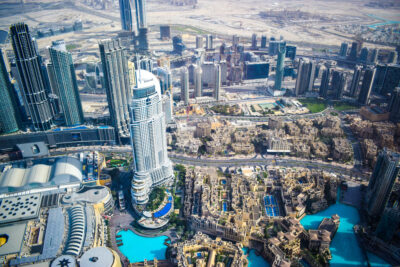
Get them right: emerging cities to lure trillions in climate action cash
Enormous sums of green investment capital to pour into populous urban hubs by 2030, says the IFC

Around USD29 trillion in climate-related investments will gravitate toward cities in emerging markets by 2030, the World Bank’s International Finance Corporation (IFC) reported yesterday via the Thomson Reuters Foundation.
East Asian and Pacific cities will need more than half of the estimated investment potential as they expand and expend on real estate, infrastructure and transport, according to Aditi Maheshwari, lead author of the IFC study, which looked into climate action plans of cities populated by more than 500,000 people.
“Cities are driving economic growth in East Asia and the Pacific — they account for over 80 percent of GDP in most countries,” Maheshwari said.
“The scale of this economic opportunity is drawing people into the cities and we anticipate an additional 1.2 billion people will live in Asian cities in the next 35 years.”
Green building codes for the reduction of energy consumption will account for USD24.7 trillion of climate investment opportunities over the next decade, followed by electric vehicles (USD1.6 trillion); low-carbon transportation, e.g. energy-efficient public transport (USD1 trillion); water (USD1 trillion); clean energy (USD842 billion); and waste management (USD200 billion).
“Getting the cities right is absolutely essential for climate,” said Alzbeta Klein, the IFC’s director for climate business. “They play a role in how climate looks and how it defines for the next generation ahead of us.”
Recommended
Bangkok’s luxury real estate flourishes amid economic challenges
New luxury mega projects boost the top end of Bangkok’s market, but stagnancy reigns elsewhere due to weak liquidity and slow economic growth

Investors shift focus to suburban and regional markets as Australian urban housing prices surge
Investors are gravitating to suburban areas and overlooked towns as Australia’s alpha cities see skyrocketing demand and prices
Hanoi’s air pollution crisis: Balancing urban growth with environmental sustainability
Hanoi’s worsening annual toxic smog is highlighting the pressures of balancing sustainability with rapid economic growth

U.S. tariffs pose challenges to China’s housing market amid economic slowdown
Escalating US tariffs are expected to strain China’s slowing economic growth and dampen buyer confidence, creating trouble for the country’s housing market