Foreign investors bet on Vietnam’s industrial real estate, plus further updates
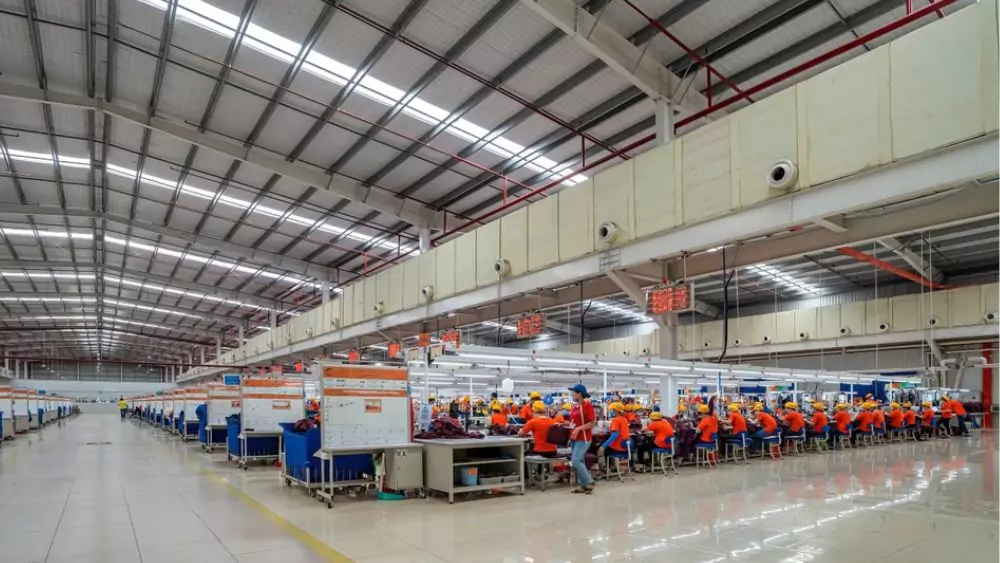
For PropertyGuru’s real estate news roundup, foreign investors are turning to Vietnam’s industrial real estate sector. In other headlines, Beijing and Shanghai have announced tax incentives to attract buyers and investors to their struggling real estate markets. Lastly, the Philippines is poised for a boost in retail spending as the central bank embarks on a rate-cutting cycle.
Vietnam’s industrial real estate attracts foreign investment
Foreign investors are increasingly turning to Vietnam’s industrial real estate sector, driven by the country’s position as a key manufacturing hub in Southeast Asia. VietnamPlus reports that this surge in interest stems from stable economic growth, improved infrastructure, and preferential policies aimed at boosting foreign direct investment (FDI). Notable investments include the development of large-scale industrial parks and logistics centres, further solidifying Vietnam’s reputation as a prime destination for global manufacturers seeking to diversify supply chains. According to the report, this trend is expected to grow as Vietnam integrates more deeply into international trade networks.
Beijing, Shanghai announce tax breaks to boost ailing property markets
To revive their struggling real estate markets, Beijing and Shanghai have announced tax incentives to attract buyers and investors. According to Reuters, these measures include reducing property transaction taxes and implementing other fiscal policies to ease market pressures. The move is part of broader efforts to stabilise China’s housing market, which has been hit by declining demand and financial strain among property developers. Analysts believe these tax breaks could encourage homebuyers and provide some relief to the sector, although the extent of their impact remains uncertain.
Rate cutting to stoke retail spending in the Philippines
The Philippines is poised for a boost in retail spending as the central bank embarks on a rate-cutting cycle. As per BusinessWorld’s report, lower interest rates are expected to encourage borrowing and spending, potentially stimulating the property and retail sectors. Analysts note that this policy could relieve consumers amid rising living costs while creating opportunities for small businesses. The move aligns with efforts to support economic recovery and maintain growth momentum, particularly amid global economic uncertainties.
The Property Report editors wrote this article. For more information, email: [email protected].
Recommended
Is China’s housing market finally turning a corner?
Shanghai’s property revival raises hopes, but falling prices elsewhere point to a long recovery

Opportunity or trap? What Washington’s high-tech hub outside Manila means for Philippine property
The New Clark City Economic Security Zone promises billions in investment, but at what cost to Philippine sovereignty?

What Japan’s policy rate hike means for its property market
After decades of near-free borrowing, the country's policy rate is starting to reshape the calculations behind property investment

A conversation with the head of Vietnam’s Green Building Council on the cost of doing nothing
The VGBC’s Douglas Snyder argues that the real cost developers should fear isn’t building green. It’s failing to do so