Third phase of Havelock City in Sri Lanka acquires CMA and UDA certifications
Since its completion late last year, homeowners have already started to move in
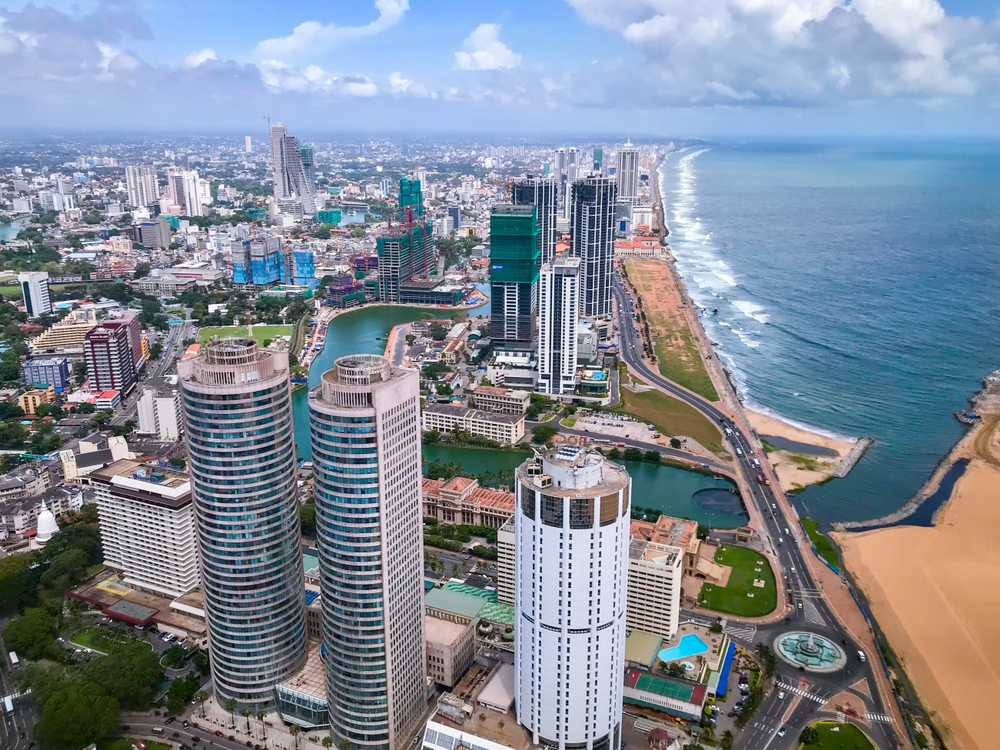
According to the Daily Mirror Online, Havelock City announced that the Condominium Management Authority (CMA) of Sri Lanka has awarded the third phase of their recently completed towers the Certificate for Common Amenities and Common Elements of the Building.
The certification highlights condominium properties that consider the well-being of tenants when developing common amenities. It also verifies whether the management, maintenance, administration, and control of such common areas are satisfactory.
The project’s third phase also received the Certificate of Conformity from the Urban Development Authority (UDA).
More: Sri Lanka will be home to South Asia’s 6th tallest tower
Havelock City’s third phase includes two luxury towers Stratford and Melford that were completed late last year. The property firm behind the development revealed that homeowners have already started moving into their new apartments.
“On time completion of construction and obtaining all necessary regulatory approvals have enabled us to commence handing over the condominium units to our homeowners,” said the chief executive officer of Overseas Realty (Ceylon) PLC Pravir Samarasinghe.
“Our residential properties are also not mortgaged to banks ensuring smooth conveyance of title.”
Built on 18 acres of land in Colombo, Havelock City is a massive mixed-use development that comes with several commercial and residential areas.
Recommended

Gulf property markets trade panic for prudence
War upends West Asia, but property markets from Dubai to Riyadh refuse to break and attempt to regain their footing

Is China’s housing market finally turning a corner?
Shanghai’s property revival raises hopes, but falling prices elsewhere point to a long recovery

Opportunity or trap? What Washington’s high-tech hub outside Manila means for Philippine property
The New Clark City Economic Security Zone promises billions in investment, but at what cost to Philippine sovereignty?

What Japan’s policy rate hike means for its property market
After decades of near-free borrowing, the country's policy rate is starting to reshape the calculations behind property investment