Can foreigners still buy Australian islands?
Recent sale of Dunk Island unveils thriving market for insular properties
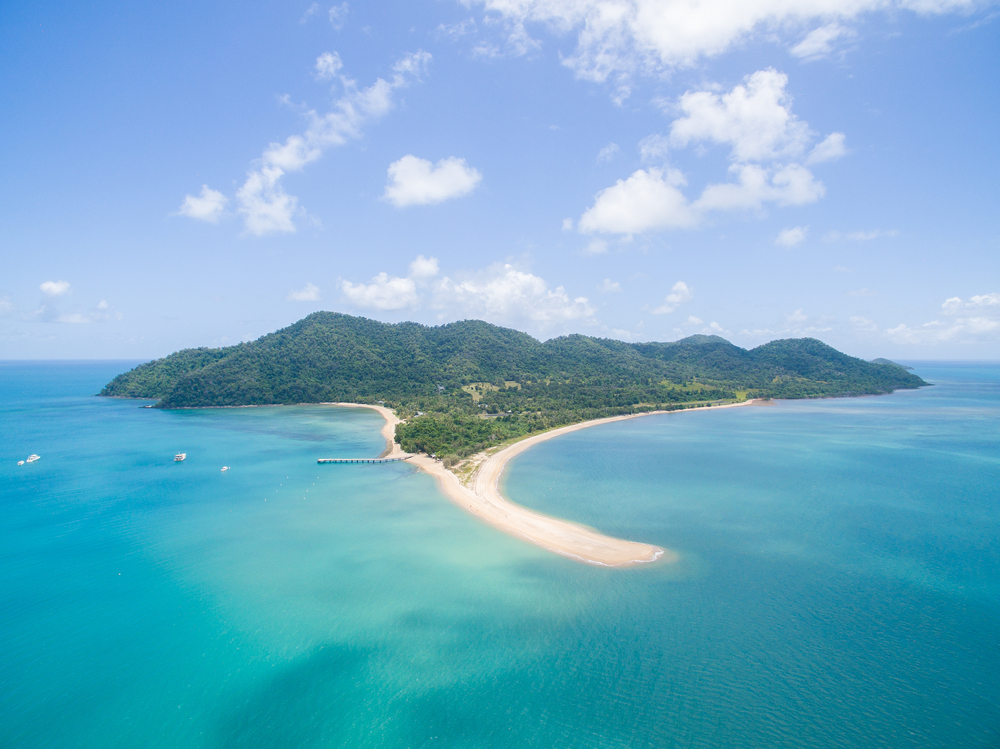
A British investment group has bought Australia’s Dunk Island for nearly AUD32 million (USD21.6 million), according to various media reports.
London-based Mayfair 101 aims to redevelop the island ravaged by Cyclone Yasi in 2011. Taking over from former owner Peter Bond, the group vows to establish Dunk Island as Australia’s “tourism mecca.”
“Located between two world-heritage areas, our vision is to create a tourism mecca with Dunk Island becoming one of the most sought-after island destinations in the Asia-Pacific region,” Mayfair 101 managing director James Mawhinney was quoted as saying.
Set off mainland Queensland, Dunk Island formerly hosted celebrities like Sean Connery and various Australian prime ministers.
More: After Australia, acclaimed designer sets sights on Thailand
“The buyer has grand plans to reposition the old Dunk Island Resort operation and open it up again,” Tom Gibson, group vice president of Jones Lang LaSalle Hotels and Hospitality Group and the broker for Dunk Island, told Mansion Global.
Like all overseas buyers, international investors will still need approval for island purchases from the Foreign Investment Review Board (FIRB). In 2016, Singaporean property magnate and hotelier Koh Wee Meng was able to purchase the 23-acre Turtle Island along the Queensland coast for around AUD3.45 million.
Gibson claims his company has never had an issue with FIRB scrutiny.
“I wouldn’t even consider it a threat,” he said. “Looking historically back to the ’80s and ’90s, islands along the Australian coast line have been equally shared between foreign and domestic ownership. To this day the percentage of ownership is about the same.”
Recommended
How the Gold Coast became Australia’s hottest property market
The Queensland beach enclave, previously seen as a pleasure retreat, is becoming a haven for investors
Trust gap slows Chinese tourism and property investment in Thailand
Scam-related narratives accelerate a shift in tourism and property investment away from Thailand
Timor-Leste real estate takes off as nation joins ASEAN
Early signs of a property market emerge amid land-title reform and cautious foreign interest

Macau market weakness persists despite economic rebound signs
As Macau’s gaming revenues surge back to life, its residential property market remains stuck on a losing streak