Cambodia residential and commercial rental market confronts excessive oversupply
The property glut is now obvious across the capital, with most buildings donning ‘for rent’ signs
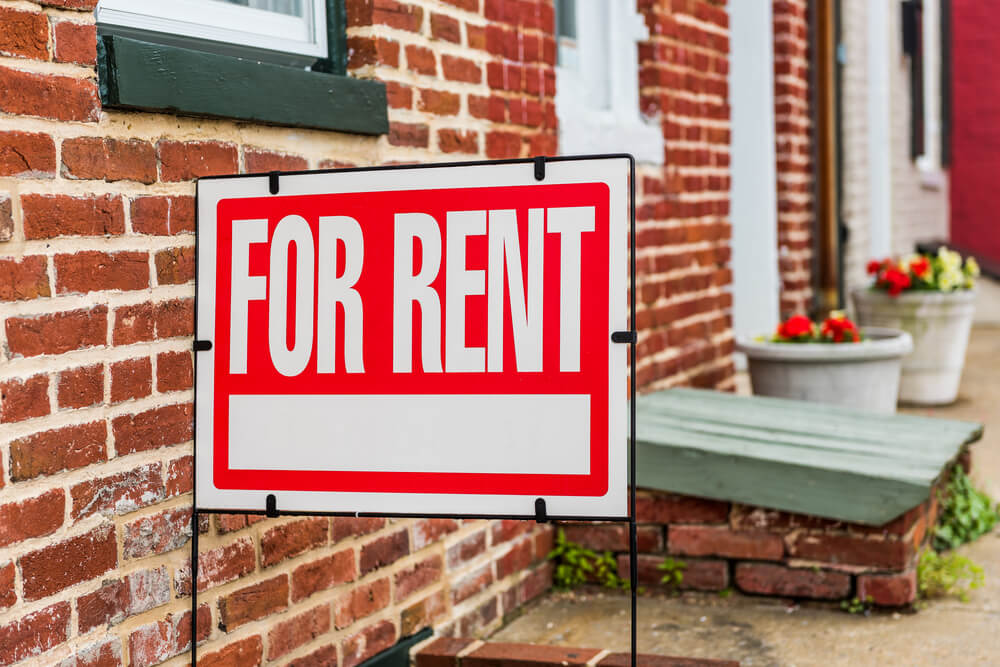
The residential and commercial rental market in Cambodia is currently going through extreme levels of oversupply, especially for properties that were typically marketed to foreigners, reported the Khmer Times.
Industry experts believe that the COVID-19 pandemic, which has prompted most foreign workers to leave the country, caused high levels of uncertainty within the property market. Moreover, the World Bank’s encouragement for local authorities to develop policies to minimise suspicious activities has increased the worries.
To help overcome all these difficulties, landlords were urged to be more adjustable towards their tenants’ concerns and to renew all existing contracts as soon as they can since the market is expected to worsen in the next half a year.
Phnom Penh properties in well-known expat locations have already announced a 30 percent off from their regular monthly rate. Reports also reveal that several foreign tenants now refuse to sign long-term leases since they preferred to live in short-term hotels that cut off monthly rates to as much as 50 percent.
“We are now offering USD100 a month dorms that we previously sold for USD8 a night,” said a hostel manager in Phnom Penh. “Most of the customers we have simply don’t have the deposits required to sign a six- or 12-month lease and are attracted by our super-low prices.”
Recommended
Is China’s housing market finally turning a corner?
Shanghai’s property revival raises hopes, but falling prices elsewhere point to a long recovery
Opportunity or trap? What Washington’s high-tech hub outside Manila means for Philippine property
The New Clark City Economic Security Zone promises billions in investment, but at what cost to Philippine sovereignty?

What Japan’s policy rate hike means for its property market
After decades of near-free borrowing, the country's policy rate is starting to reshape the calculations behind property investment

A conversation with the head of Vietnam’s Green Building Council on the cost of doing nothing
The VGBC’s Douglas Snyder argues that the real cost developers should fear isn’t building green. It’s failing to do so