Asia Pacific industrial investment reaches $33 billion, to surpass 2020 levels
The more developed Asia Pacific’s commercial real estate sector is, the more accommodating it will be for investors and occupiers looking to expand in the region
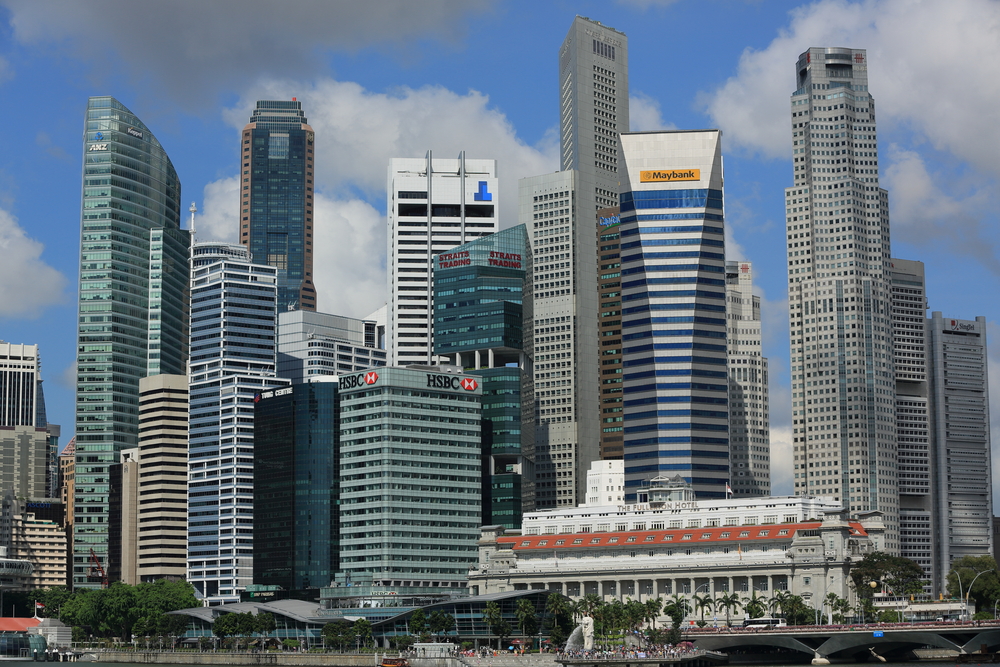
Industrial investment in the Asia Pacific region has gone up to USD33 billion as of 13 September. However, it is still below 2021’s USD70 billion, as mentioned in The Business Times.
Nevertheless, as a result of persistent investor interest, industrial investment volumes are expected to surpass 2020 amounts, which held a record high.
Real Estate Asia reported that as investors look for stable assets, recently built and conveniently located high-quality office and logistics properties are in high demand. Given the further easing of border barriers, demand for retail and hotel properties, on the other hand, is anticipated to increase in the latter half of this year. Investors will also be keeping an eye out for premium retail assets in popular tourist areas.
“Investors in the region are acting cautiously when it comes to new acquisitions, but there is still capital sitting on the sidelines looking for [the] right opportunities,” said Reeves Yan, Head of Capital Markets, Hong Kong.
“In Hong Kong, warehouses, factories, cold storage buildings, and logistics centers for industrial and office use continue to be popular among family office and local and overseas institutional investors due to high demand and fierce competition for space,” he added.
More: Commercial real estate in the Asia Pacific gains traction as borders gradually reopen
According to JLL and LaSalle Investment Management’s Global Real Estate Transparency Index, the real estate sector has become more transparent, including the Asia Pacific region. This is due to many stakeholders demanding higher ethical standards and consistency in regulatory treatment.
As occupier confidence grows due to gains in sustainability, regulation enhancements, and data advancements, so will the capital deployed into the region in the coming years.
Ultimately, the more developed Asia Pacific’s commercial real estate sector is, the more accommodating it will be for investors and occupiers looking to expand in the region.
The Property Report editors wrote this article. For more information, email: [email protected].
Recommended

A conversation with the VGBC’s executive director on the risk of not building green
The Vietnam Green Building Council's Douglas Snyder argues that the real cost developers should fear isn't building green

These 6 projects are among Asia’s greenest in 2026
Proof that better buildings are defined as much by how they operate as how they look
Indonesia’s property market feels the pinch of a reeling rupiah
As Jakarta tightens its grip on strategic minerals, investors are fleeing, leaving the property sector in limbo
Japan’s cities boom as rural towns hollow out
Millions of homes sit abandoned as the forces reshaping Japan's property market pull in opposite directions