Commercial real estate in the Asia Pacific gains traction as borders gradually reopen
Office investments totaled USD14.8 billion in the region
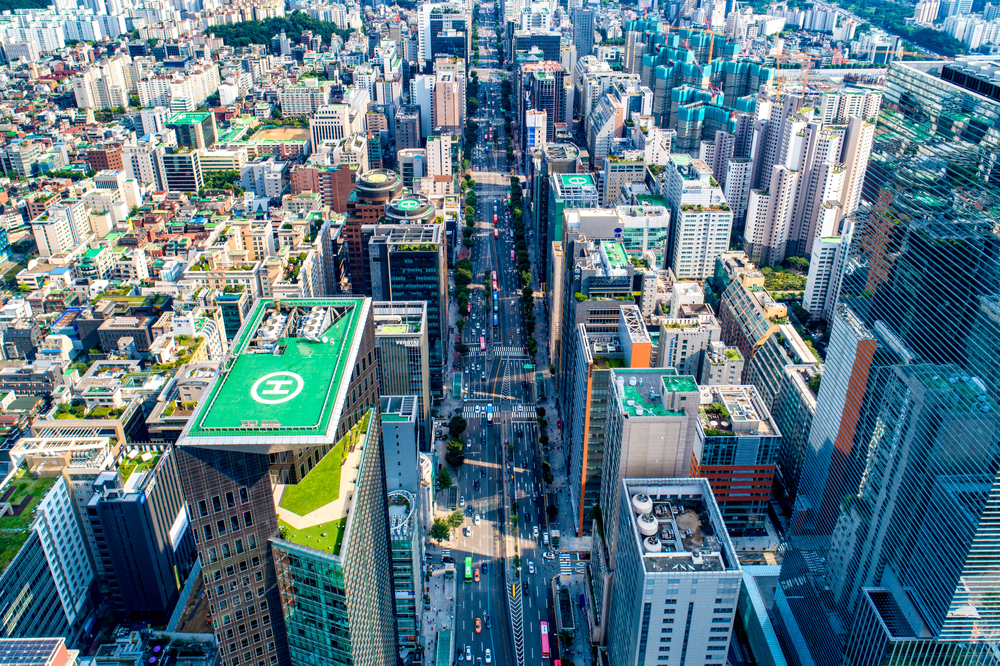
Despite the albeit weaker leasing activity in some markets and segments, real estate investment in the Asia Pacific remained strong during the first quarter of 2022.
CBRE may have seen weaker leasing activity in the office in retail sectors, but it still has a bright outlook for the APAC real estate market. The firm expects leasing demand to recover for these sectors, with the added expansion of the logistics sector, reported BusinessWorld.
The CBRE report lists Australia, Singapore, and Korea as the most popular office markets in APAC. Office investments totaled USD14.8 billion in the region.
The Melbourne and Sydney office markets closed deals valued at more than USD1 billion combined, reported Colliers. Likewise, Seoul’s office market recorded USD3.6 billion in transaction volumes.
AsianInvestor noted that according to analysts, the lifting of travel restrictions may accelerate the region’s real estate sector’s revival because institutional investors will be returning to the road to look for opportunities.
“With the reopening of state and international borders, major Australian cities witnessed a pick-up in demand from both occupiers and investors, and are expecting a significant increase in transaction volumes in the coming quarters,” Colliers echoed in its Q1 2022 APAC market snapshot.
On the other hand, JLL and LaSalle Investment Management’s Global Real Estate Transparency Index indicated that because of major advancements in market transparency, the region’s commercial real estate sector is in a position to attract more investments in the years to come.
“The strides toward greater transparency in Asia Pacific will intensify investor interest and bolster occupier confidence in this region,” said Anthony Couse, Chief Executive Officer, Asia Pacific, JLL.
“As data availability rises to meet demand, we expect over USD200 billion in direct investment into Asia Pacific in 2022. Investors continue to diversify their capital across traditional and alternative property sectors, albeit investors are showing a little more caution given current global challenges, seconded Roddy Allan, Chief Research Officer, Asia Pacific, JLL.
The Property Report editors wrote this article. For more information, email: [email protected].
Recommended

A conversation with the VGBC’s executive director on the risk of not building green
The Vietnam Green Building Council's Douglas Snyder argues that the real cost developers should fear isn't building green

These 6 projects are among Asia’s greenest in 2026
Proof that better buildings are defined as much by how they operate as how they look
Indonesia’s property market feels the pinch of a reeling rupiah
As Jakarta tightens its grip on strategic minerals, investors are fleeing, leaving the property sector in limbo

Japan’s cities boom as rural towns hollow out
Millions of homes sit abandoned as the forces reshaping Japan's property market pull in opposite directions