Almost half a million landed homes in Phnom Penh by 2030: study
Migration and population growth to power supply of residential properties in Cambodian metropolis
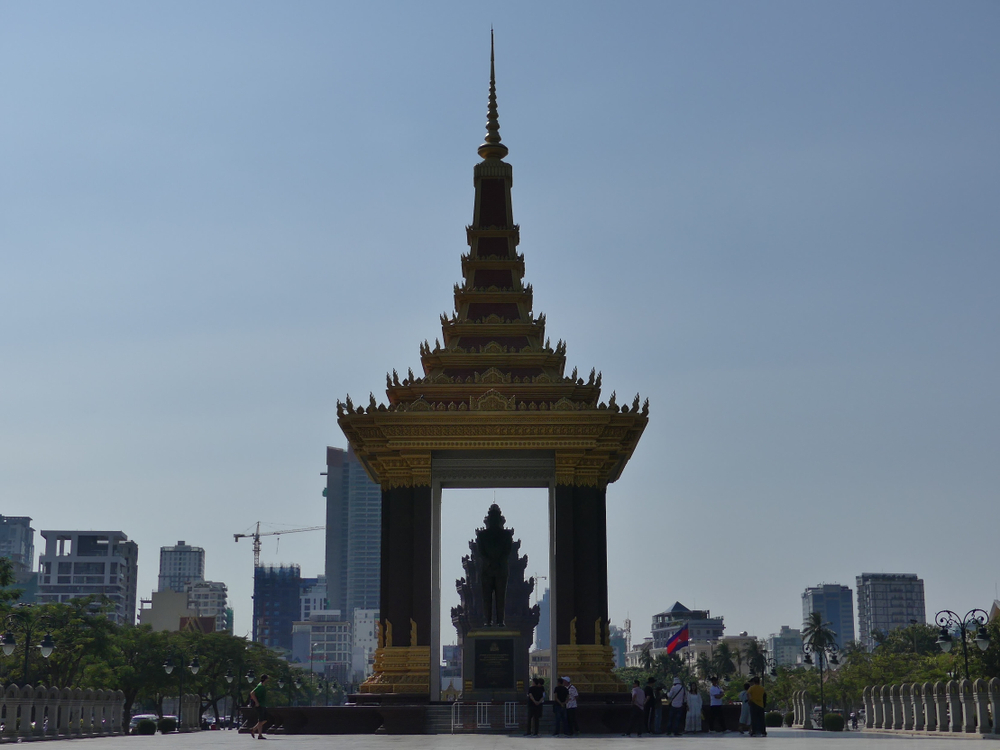
Landed residential properties in Phnom Penh will have numbered 450,000 units by 2030, according to recent research from valuation company VTrust Appraisal via RealEstate.com.kh.
The Cambodian capital is currently home to 150,000 landed residences, but housing supply in the city is expected to grow at a rate of nine percent, according to the VTrust Appraisal report Phnom Penh 2030.
“Rapid growth of population in the city and an increasing influx of new incoming migrants who come from different parts of the country to settle down in the city will drive more demand for houses in Phnom Penh,” said VTrust Appraisal’s research director Hoem Seiha.
More: Cambodia’s farewell to Everything But Arms
New landed homes could come into the Phnom Penh pipeline at a rate of 25,000 units a year, said Seiha.
Dangkor district alone is predicted to usher in almost 100,000 landed homes within 13 years. The district of Por Sen Chey currently has almost 50,000 landed homes, the biggest supply in the city, while Sen Sok and Dangkor districts are each home to over 20,000 units.
“The flexible mortgage schemes for housing sector has come to boost the affordability of city population and thus will continue to drive the housing forward,” Seiha added.
VTrust Appraisal defines landed homes as those belonging to a community with at least 20 units.
Recommended

A conversation with the VGBC’s executive director on the risk of not building green
The Vietnam Green Building Council's Douglas Snyder argues that the real cost developers should fear isn't building green

These 6 projects are among Asia’s greenest in 2026
Proof that better buildings are defined as much by how they operate as how they look
Indonesia’s property market feels the pinch of a reeling rupiah
As Jakarta tightens its grip on strategic minerals, investors are fleeing, leaving the property sector in limbo
Japan’s cities boom as rural towns hollow out
Millions of homes sit abandoned as the forces reshaping Japan's property market pull in opposite directions