Trade war spurs industrial rents in southern Vietnam
The exodus of manufacturers in China propelling land leasing costs in HCMC and its environs
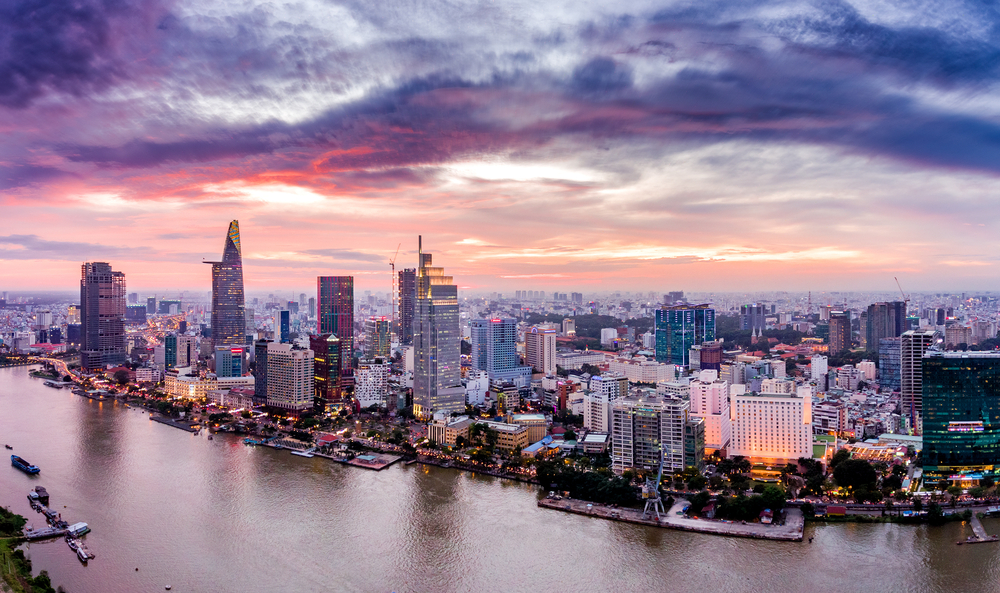
Industrial parks in Ho Chi Minh City and its surrounds posted sanguine rental growth in the second quarter of 2019, according to a new report from JLL Vietnam.
Land leasing costs in HCMC’s industrial zones as well as those in the provinces of Binh Duong, Dong Nai, Long An and Ba Ria-Vung Tau hit USD95 per square metre on average during the quarter, up 15.8 percent year-on-year.
Strong demand, supported by the escalating trade war, drove the increase. “As US-China trade tensions will likely escalate, the trend of manufacturing shifting away from China to the South East Asia region will continue to benefit the whole region, including Vietnam,” JLL reported.
Vietnam’s industrial property sector will also benefit from continuous expansion of trade networks, led by the signing of the European Union-Vietnam Free Trade Agreement (EVFTA) last month.
More: In war as in peace, Vietnam real estate is a winner
Such agreement “bolsters the attractiveness of Vietnam’s industrial market, generating further demand for industrial property in the country,” JLL researchers commented.
In HCMC alone, the average rent hit USD162 per square metre for every lease term.
The average occupancy rate in the top five industrial markets of Vietnam’s Southern Key Economic Zone was 81 percent, a “healthy rate”, noted JLL.
An additional 18,290 hectares of land is slated for industrial development in southern Vietnam. These will be predominantly located in the Long An, Binh Duong and Dong Nai provinces.
Recommended
Is China’s housing market finally turning a corner?
Shanghai’s property revival raises hopes, but falling prices elsewhere point to a long recovery
Opportunity or trap? What Washington’s high-tech hub outside Manila means for Philippine property
The New Clark City Economic Security Zone promises billions in investment, but at what cost to Philippine sovereignty?

What Japan’s policy rate hike means for its property market
After decades of near-free borrowing, the country's policy rate is starting to reshape the calculations behind property investment

A conversation with the head of Vietnam’s Green Building Council on the cost of doing nothing
The VGBC’s Douglas Snyder argues that the real cost developers should fear isn’t building green. It’s failing to do so