For its future, Myanmar looks to the past
As Southeast Asia races toward modernisation, the former British territory known as Burma finds itself reconnecting to its colonial heyday and giving old buildings a 20th-century update
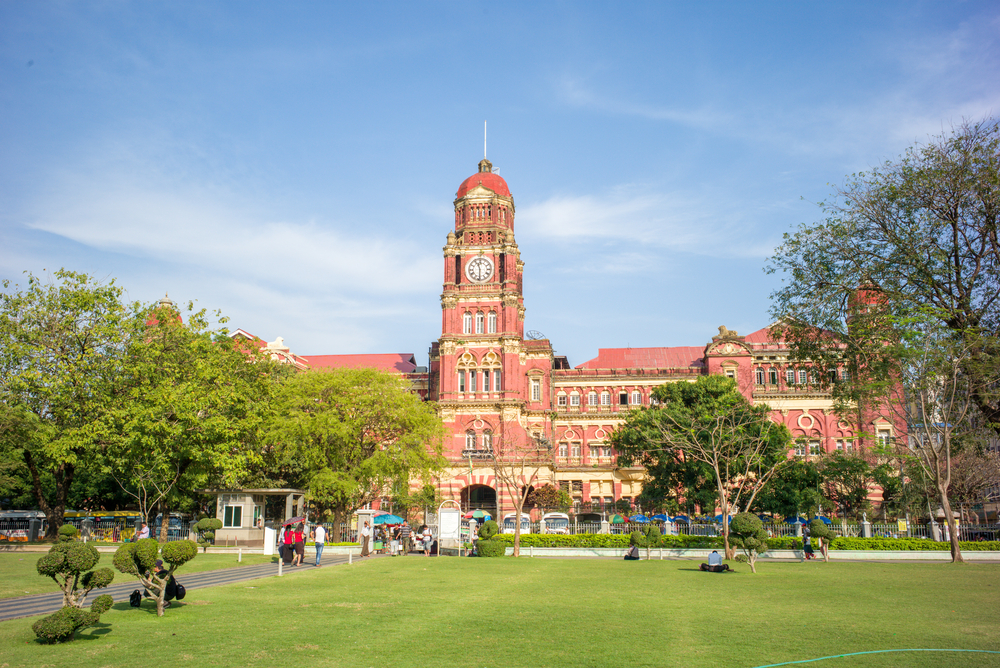
Skyscrapers and shoots of modernity have not blunted Myanmar’s place in imperial British history. The Southeast Asian is still peppered with heritage buildings and other vestiges of its colonial past, in various states of disuse.
Others have been preserved and restored to their former glory over the last few months.
Take for example the facelift of one of Yangon’s oldest and most cherished colonial-era buildings, The Peninsula Residences Yangon, set to be completed next year. The collection of 96 luxury private homes across 10 acres by Yoma Strategic Holdings Ltd will add to a growing list of colonial-era buildings being renovated to house Yangon’s latest luxury hotels.
Last year saw the launch of Yangon Excelsior in the old Steel Brothers company headquarters in Yangon, and the Rosewood Yangon, in the New Law Courts building built in 1927.
Then there’s The Pegu Club, former British gentleman’s club and namesake of the storied cocktail drink, now reinvented as a rental space for weddings and other special occasions. The club, which won Best Renovated Property at the 2018 PropertyGuru Myanmar Property Awards, has seven event spaces on offer, including a great hall named after the Prince of Wales, Edward VIII, who famously dined in the club in transit to India.
The developer behind the project, KT Club Development Project Co., is dedicated to “protecting Myanmar’s cultural identity” by preserving heritage buildings, the company’s executive director Harriet Kyaw Thaung told Property Report. “The principle which drove the painstaking process [of redeveloping The Pegu Club] is ‘Lest We Forget’, fuelling our goal of sharing the story of The Pegu Club’s legacy, and its status as a memorial to the chapters of Myanmar’s history.”
Heritage buildings are very much “part of Yangon’s urban and visual landscape, setting the city’s downtown scene apart from any other city in the world,” she added. The thrust to hold on to the city’s erstwhile structures derives its propulsive power from Myanmar’s improving tourism trade. Around 3.55 million foreign tourists visited Myanmar last year, a year-on-year rise of 3.15 percent.
As Harriet related: “We believe each building’s stories and meaning to Myanmar should be preserved for the knowledge and wisdom of future generations.”
What projects, historic or otherwise, are worthy of the 2019 PropertyGuru Myanmar Property Awards? Nominate them before 16 August. Find more details here: https://www.asiapropertyawards.com/award/myanmar-property-awards/
Recommended
How China builds its cities twice, first in data and then in concrete
Digital twins of cities manage everything from traffic flow to population density
How Thailand aims to supercharge growth through infrastructure, tourism, and tech
But investors now want proof of execution
6 of Southeast Asia’s finest integrated districts
Master-planned townships are re-emerging as a practical response to rapid urbanisation
6 award-winning projects bringing resort living to the city
Resort residences are increasingly focused on year-round use in urban destinations