FDIs in South Korea reach USD21.5 billion in the first three quarters of the year
FDI pledges to the country went up 14.9 percent, reaching USD5.5 billion, in Q1 2022
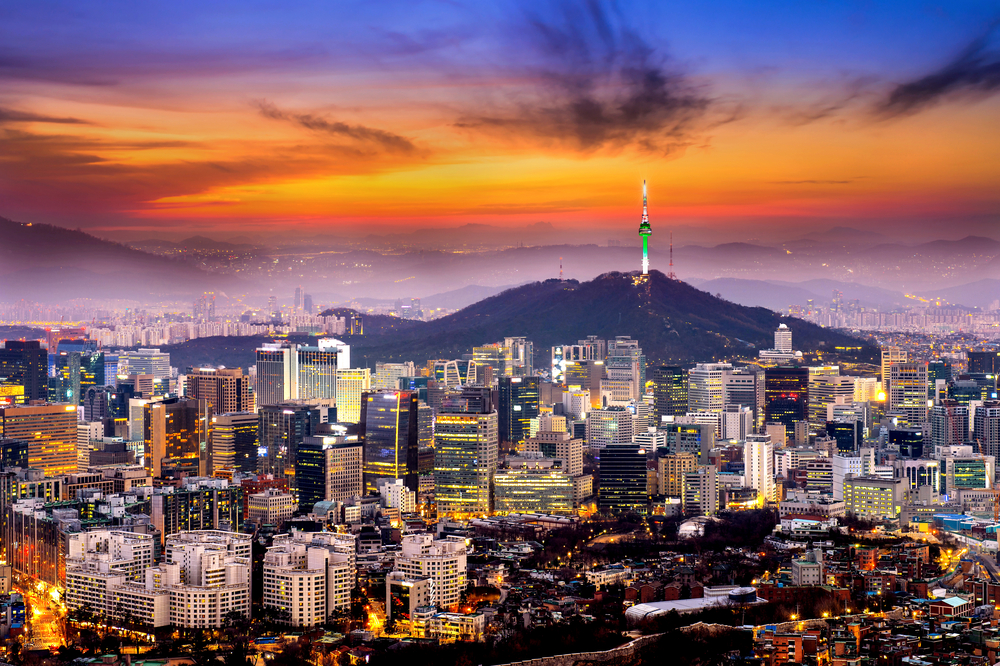
President Yoon Suk-yeol mentioned that the South Korean government will be taking the necessary steps to drive capital inflows and ensure there were enough dollars in the local currency market, reported Reuters.
He also noted that uncertainty is spreading across markets, especially with the South Korean won losing 16 percent in value this year alone.
“The government will strengthen the safety valve by taking steps to improve the dollar supply-demand situation on the foreign exchange market,” Yoon stated at a meeting of economy ministers.
In light of this, the finance ministry said it would have the necessary tools for supplying foreign exchange liquidity to financial institutions if the situation calls for it.
FDI pledges to the country went up 14.9 percent, reaching USD5.5 billion, in Q1 2022, setting a record high for first-quarter figures, according to The Korea Herald.
More: South Korea sees the highest investment volume in commercial real estate in 2021
However, the actual amount of investment that arrived in South Korea stood at USD4.3 billion, marking a 2.6 percent YoY decrease. Even so, the amount was still the second-largest figure for any first quarter ever.
Furthermore, Business Korea reports that FDI in the first three quarters reached USD21.5 billion, increasing 18.2 YoY. It hit an all-time high of USD29.5 billion in 2021, but experts believe that this number will be surpassed in the fourth quarter.
The manufacturing sector accounted for 36.2 percent of the FDI. It went up by 152 percent YoY to USD7.8 billion, driven by investments in the semiconductor, EV, and rechargeable battery industries.
FDI reported from the United States went up by 115.9 percent to USD7.1 billion; from Japan, USD1 billion with a YoY increase of 42.9 percent; from China, Hong Kong, and Singapore, a 14.9 percent decrease, but China’s FDI in the manufacturing sector increased by 15.4 percent this year.
The Property Report editors wrote this article. For more information, email: [email protected].
Recommended
How the Gold Coast became Australia’s hottest property market
The Queensland beach enclave, previously seen as a pleasure retreat, is becoming a haven for investors
Trust gap slows Chinese tourism and property investment in Thailand
Scam-related narratives accelerate a shift in tourism and property investment away from Thailand
Timor-Leste real estate takes off as nation joins ASEAN
Early signs of a property market emerge amid land-title reform and cautious foreign interest
Macau market weakness persists despite economic rebound signs
As Macau’s gaming revenues surge back to life, its residential property market remains stuck on a losing streak