Japan now home to almost 8.5 million empty houses
Number of unoccupied residences breaks record as Japanese population decline hits new lows
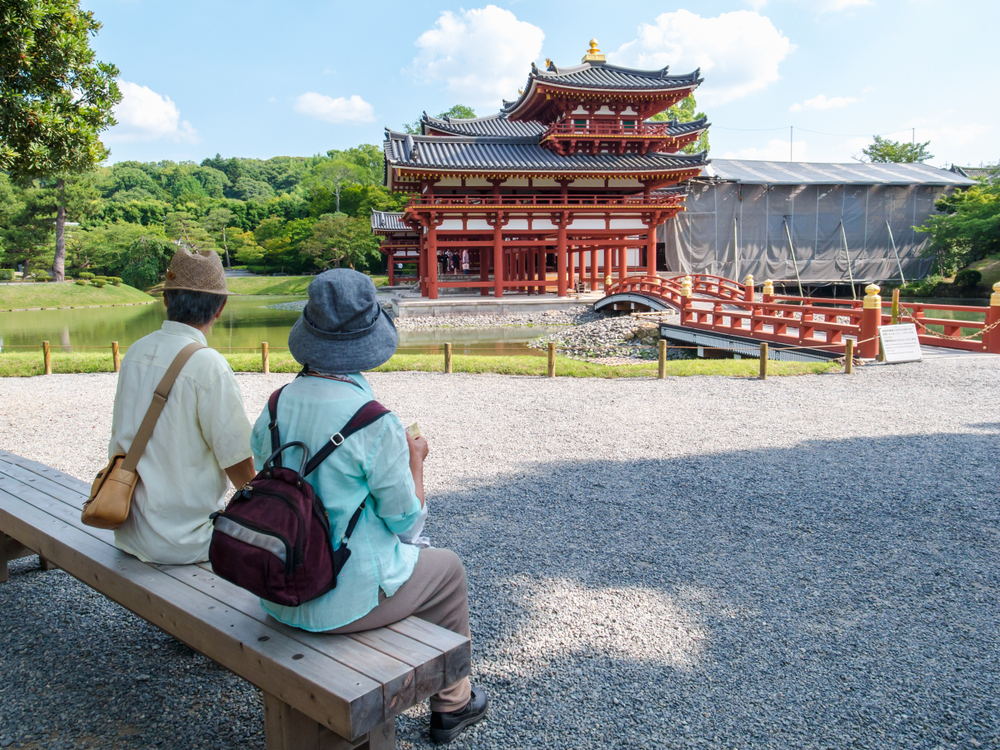
Japan now has 8.46 million vacant homes, driven by a rapidly greying population and exacerbated by a glut of new residential projects in the pipeline, official figures suggested.
Empty homes in the archipelago grew by 260,000 over a five-year period ending October, according to results of a government survey released Friday.
While majority were unoccupied for future rental or sale, around 3.47 million of the residences were not intended for such use: a figure up 9.1 percent from the last survey in 2013, the Nikkei Asian Review noted.
More: Japan is so full of empty homes that it’s giving them away
Yamanashi Prefecture, close to Mount Fuji, accounted for 21.3 percent of empty homes, followed by Wakayama Prefecture at 20.3 percent. Nagano Prefecture has the third-most empty houses at 19.5 percent.
The figures come as the nation grapples with a demographic time bomb, a trend characterised by low birth rates and high mortality. The number of babies born in the country hit only 921,000 in 2018, the third consecutive year the birth rate has been under a million, while deaths numbered around 1.37 million.
Overall, the Japanese population shrank 449,000 last year.
Moreover, the sale of unoccupied homes faces competition with new residences, construction of which numbered around 950,000 in fiscal year 2018 or 0.7 percent more than the year before, the Review noted.
Recommended

These 6 projects are among Asia’s greenest in 2026
Proof that better buildings are defined as much by how they operate as how they look
Indonesia’s property market feels the pinch of a reeling rupiah
As Jakarta tightens its grip on strategic minerals, investors are fleeing, leaving the property sector in limbo
Japan’s cities boom as rural towns hollow out
Millions of homes sit abandoned as the forces reshaping Japan's property market pull in opposite directions
What Johor’s data centre boom means for those living beside it
Malaysia's data gold rush is reshaping the state, testing the balance between investment and liveability