Sri Lanka’s tourism sector shows signs of recovery after two years
This includes the announcement of the “Golden Paradise Visa Program”
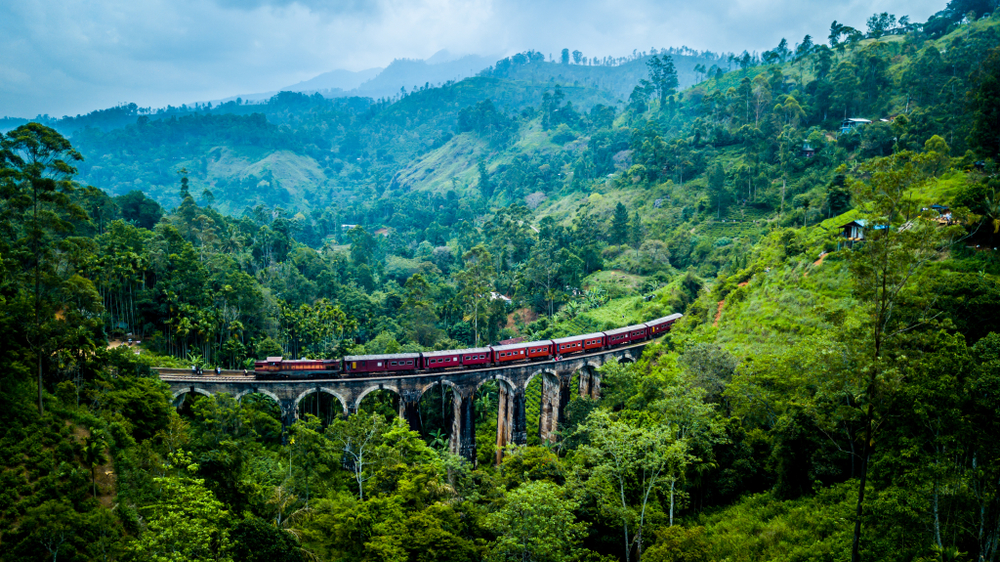
The pandemic had put global tourism on hold, putting Sri Lanka in a difficult position. However, according to officials in the tourism sector, the country is slowly beginning to recover.
The Sri Lankan government has announced the “Golden Paradise Visa Program,” which involves long-term visas that would be sold to foreigners for at least USD100,000, reported the Times of India. These will allow them to live and work in Sri Lanka for the next decade. These are also projected to bring much-needed foreign currency into the country. Five-year visas are also available to foreigners willing to invest at least USD75,000 for an apartment anywhere in Sri Lanka.
Xinhua reported that recently, Cambodia and Sri Lanka signed a memorandum of understanding (MoU) on tourism cooperation, opening more opportunities for direct flights and tourism exchanges between the two countries.
Currently, there are no direct flights connecting the two countries, so passengers from Sri Lanka must fly through Thailand, Malaysia, or Singapore before arriving in Cambodia.
More: International tourism in Sri Lanka recoups in 2022 albeit Omicron risk
“Both sides have agreed to organize Buddhist tourism events in the future,” said Cambodian Tourism Minister Thong Khon, adding that both sides will be exploring more possibilities for tourism cooperation.
Bangladesh cleared a USD200 million currency swap facility for Sri Lanka in May of last year, making it the first South Asian country to provide critical financial assistance to Colombo, according to Firstpost.
Sri Lanka was originally given three months to settle the payment, but as the country’s economic crisis worsened, the term was extended several times at Sri Lanka’s request.
Due to the pandemic, the tourism sector, Sri Lanka’s primary source of foreign exchange, has been seriously affected, and the country has been struggling to manage its reserves. The country’s economic situation is exacerbated by a lack of foreign currency, meaning it cannot afford to pay for imports of goods and fuel, resulting in severe shortages and inflated costs.
The Property Report editors wrote this article. For more information, email: [email protected].
Recommended
6 homes where luxury finds its character
Asia's ultra-wealthy crave stories, values, and vision. Developers respond with bold, meaning-driven creations

This cybersecurity pioneer explains why digital resilience is becoming real estate’s next quality benchmark
Duncan Simpson on the hidden vulnerabilities in connected buildings and why cyber risk is now a property issue
6 projects raising the bar for workplaces across Asia
Smarter systems, tighter operations, and rising occupier expectations redefine the commercial building
As foreign buyers retreat, a new generation of Singaporeans steps up
Affluent locals underpin stability, but a widening gulf between launches and resales reshapes the landscape