Indonesia uses green economy to create jobs
Investing in the green economy sector could create at least a dozen more job opportunities compared to the conventional economy sector
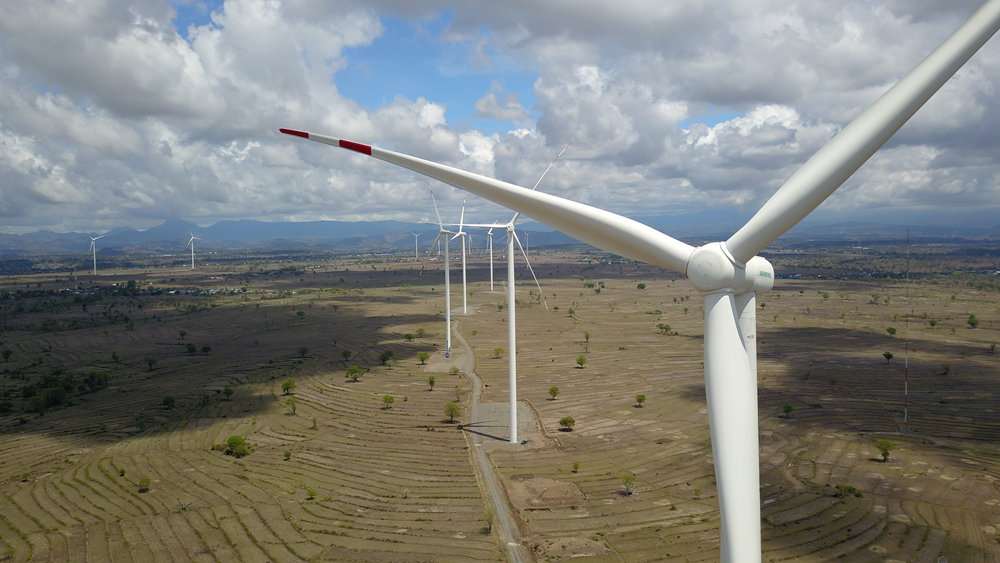
Indonesia prepared a Green Growth Program to mitigate challenges like climate change, the sixth national priority, and achieve sustainable economic growth.
The country aims to reduce greenhouse gas emissions by 29 percent, improve environmental quality by coming to a 73.25 to 75.25 index target, and reduce disaster-related economic losses by 0.21 percent in 2024.
The government readies employment in the green economy sector through “green jobs” spread across various sectors including agricultural, energy, and tourism, according to ANTARA News.
The director of manpower at the National Development Planning Ministry, Mahatmi Parwitasari Saronto, shared that investing in the green economy sector could create at least a dozen more job opportunities compared to the conventional economy sector itself.
The sector, however, is more labor-intensive due to the development of renewable energy, electric vehicle industries, and improved waste management. In addition to implementing a green economy, the Indonesian government will also promote low-carbon development, which will not only boost economic growth but also reduce carbon emissions by 27.3 percent by 2024.
More: Why sustainability should no longer be an afterthought in design
Singapore, The Straits Times reported back in January, will be investing USD9.2 billion to support Indonesia’s green economy and build a logistics hub in the country. President Joko Widodo shared that the money will be used on renewable energy projects in Batam, Riau Islands, as well as in Sumba Island and West Manggarai in East Nusa Tenggara province. It will also fund the development of a logistics hub in Jakarta’s largest seaport, Tanjung Priok port.
From January to September 2021, Singapore has become Indonesia’s leading investor with USD7.3 billion in contributions. Prime Minister Lee Hsien Loong added that the Lion City has been a top foreign investor since 2014, and continues to be one despite the COVID-19 pandemic.
Sustainability, the green economy, the digital economy, and the development of human capital have all been areas where Singapore and Indonesia have been collaborating.
The Property Report editors wrote this article. For more information, email: [email protected].
Recommended
How China became the testing ground for Zaha Hadid Architects’ boldest ideas
A conversation with associate director Shao-wei Huang on architecture without precedent
Allan Zeman on Phuket’s luxury evolution and the vision behind Sudara
The real estate legend is harnessing his deep knowledge to take the residential sector in Phuket to new heights
6 projects proving affordable housing can be done right
A new generation of developers proving that affordability and quality design can build a fairer urban future
He conquered high finance. Now FollowTrade’s Roy Ling preaches patience
A chat with the new chair of the PropertyGuru Asia Property Awards (Singapore)