Beijing home resales hit five-year low
Cooldown in mainland China continues
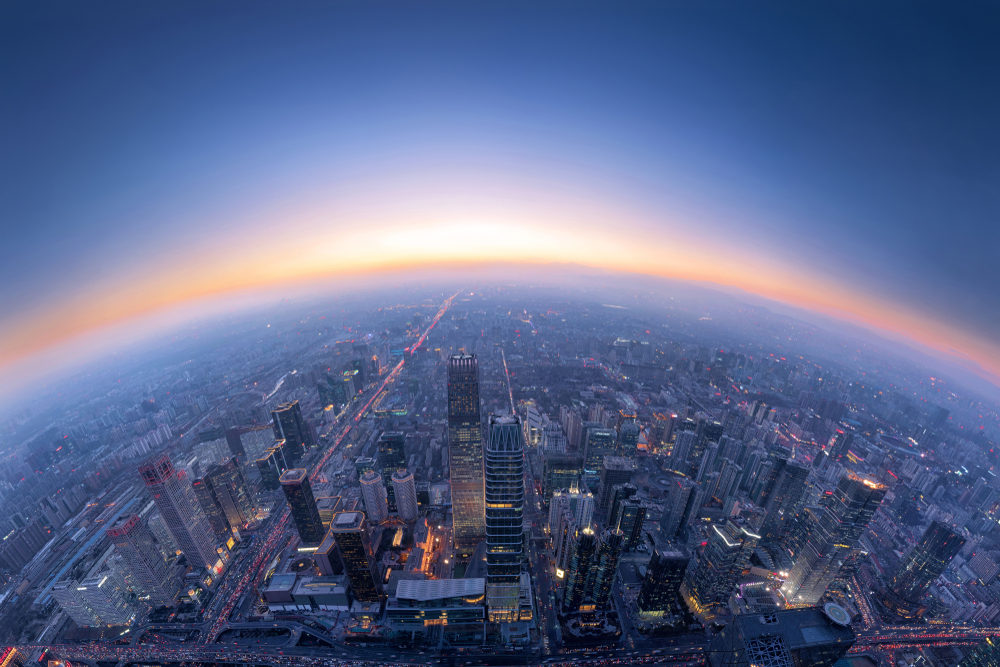
The volume of Beijing home resales will reach just 72,000 units in the first half of 2019, a new low for the past five years, according to Xinhua, citing data from real estate agency Centaline Property.
The projection is down six percent from H1 2018. However, 16,000 new homes will be traded in the first half of 2019, twice the volume recorded in the same period last year.
The cooldown in the Chinese residential property market became apparent as early as May. Resale home prices in the tier-one cities of Beijing, Shanghai, Shenzhen and Guangzhou inched up only 0.1 percent month-on-month, down 0.3 percentage points from April.
Property sales by floor area plummeted 5.5 per cent in the year to May, according to National Bureau of Statistics (NBS) data. This is the biggest decline since October 2017 when Reuters noted a sales drop of six percent. Sales had risen 1.3 percent annually in April.
More: In war as in peace, Vietnam real estate is a winner
The annual property investment growth of 9.5 percent in May is also the slowest since December, according to Reuters.
The decelerating property sector is “concerning” to economists at ANZ. “We really need to keep an eye on its negative impact on growth,” it said in a statement.
The slowdown has been imputed to weak factory activity and producer price growth, compounded by a sluggish economy in general and Beijing’s trade skirmish with Washington DC.
Recommended
Trust gap slows Chinese tourism and property investment in Thailand
Scam-related narratives accelerate a shift in tourism and property investment away from Thailand
Timor-Leste real estate takes off as nation joins ASEAN
Early signs of a property market emerge amid land-title reform and cautious foreign interest
Macau market weakness persists despite economic rebound signs
As Macau’s gaming revenues surge back to life, its residential property market remains stuck on a losing streak
Seoul’s luxury homes roar back on global demand and scarcity
Once cooled by demographics and policy, the South Korean capital's luxury housing market is surging again