Thai industrial real estate gains from US-China trade war
Chinese demand fuels sales of serviced industrial land plots
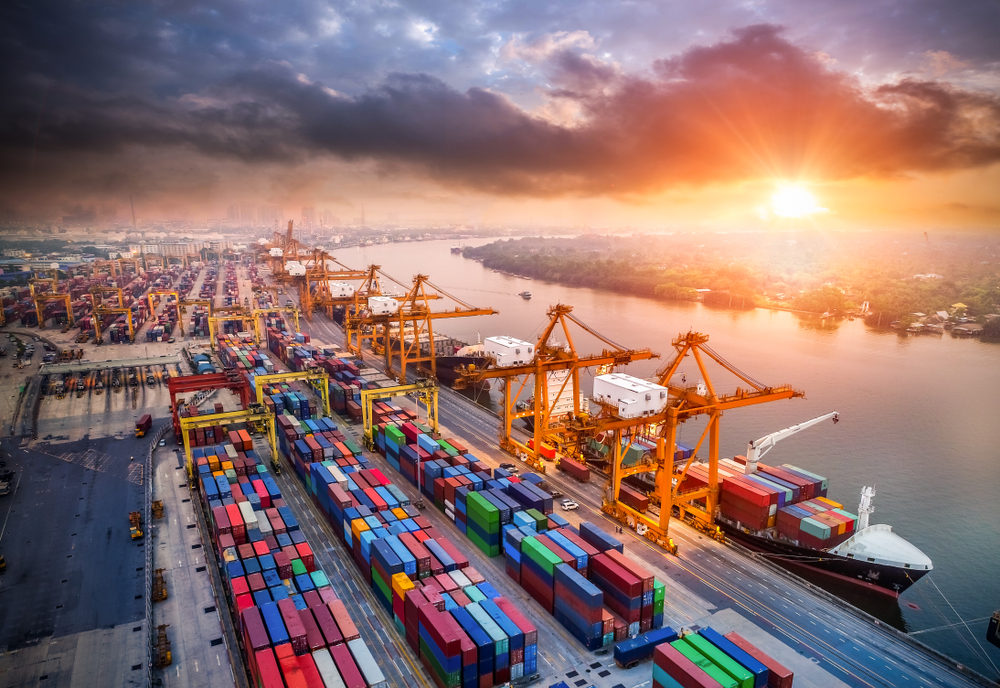
Demand for Thai industrial property is on the rise, thanks to inflows of Chinese capital, according to a recent survey by CBRE.
Sales of serviced industrial land plots (SILPs) by major developers in Thailand rose 50 percent year-on-year in the fourth quarter of 2018, with around 1,000 rai (160 hectares) sold.
Demand stemmed from Chinese manufacturers looking to relocate to Thailand due to high tariffs on ‘made in China products’ as a result of the Sino-American trade war, developers reported to CBRE.
The Thai-Chinese Park by Amata alone accounted for 146 rai (23.4 hectares) of Q4 sales. The Thai industrial estates provider developed the SILPs especially for Chinese manufacturers.
More: Keeping Jakarta and Bangkok afloat
Last year, foreign direct investments (FDI) into the Thai manufacturing sector rose 130 percent year-on-year, the Bank of Thailand (BOT) reported.
Developers of SILPs on industrial estates are not the only ones gaining from China’s growing role in the Thai economy, pointed out Adam Bell, head of advisory & transaction services for industrial and logistics at CBRE Thailand.
“Chinese e-commerce companies are going to drive the demand for Modern Logistics Properties (MLPs) in Thailand,” he said.
WHA, one of Thailand’s biggest MLP developers, announced last year a joint venture with Chinese e-commerce giants Alibaba and JD.com to build e-commerce fulfilment centres.
Recommended
Opportunity or trap? What Washington’s high-tech hub outside Manila means for Philippine property
The New Clark City Economic Security Zone promises billions in investment, but at what cost to Philippine sovereignty?
What Japan’s policy rate hike means for its property market
After decades of near-free borrowing, the country's policy rate is starting to reshape the calculations behind property investment

A conversation with the head of Vietnam’s Green Building Council on the cost of doing nothing
The VGBC’s Douglas Snyder argues that the real cost developers should fear isn’t building green. It’s failing to do so

These 6 projects are among Asia’s greenest in 2026
Proof that better buildings are defined as much by how they operate as how they look