Prices for private residences in Singapore surge by 2.5% in 2019
But drops at 7.9 percent compared to a year before
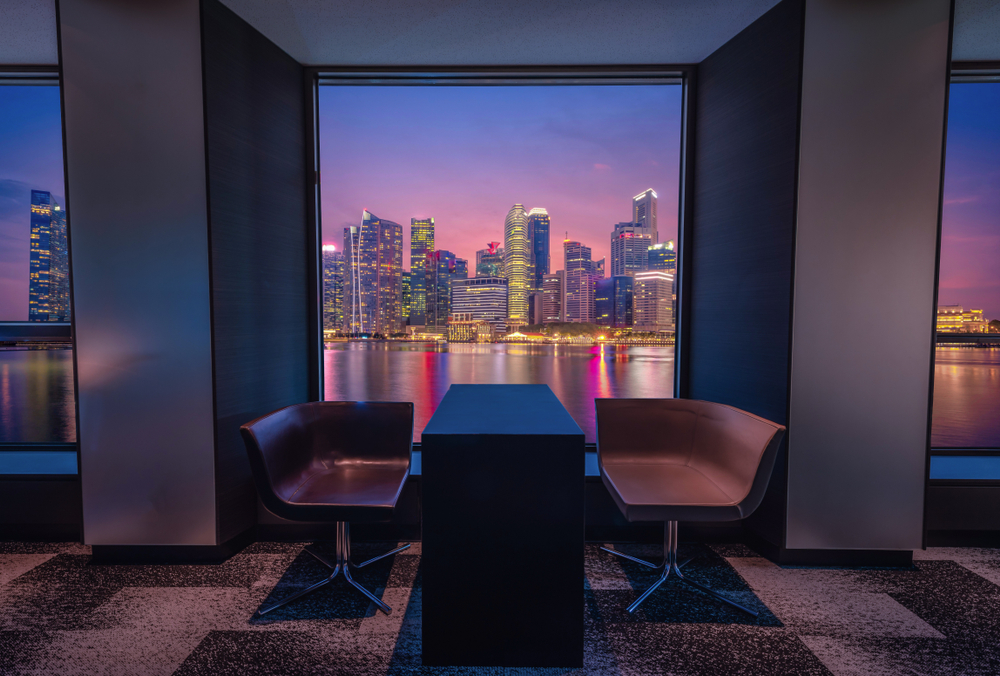
According to official flash calculations, private property prices in Singapore dropped 2.5 percent in 2019 in comparison to the 7.9 percent increase back in 2018, reported Channel News Asia.
The private residential property index rose by 0.3 percent to 153.3 points in the fourth quarter of the year, after two consecutive quarters of increase.
Head of research for Singapore at Colliers International Tricia Song said: “The slowing pace of price increase indicates a stabilised environment, reducing any risk of the government imposing more cooling measures at this stage.”
“With home prices highly correlated to household income and the economy, we expect private residential prices could grow 3 percent in 2020, tracking a recovery in economic growth,” she further explained.
More: Strong and stable Singapore courts attention of HNWIs
Meanwhile, head of research and consultancy for OrangeTee and Tie Christine Sun said that a variety of factors will sustain the demand, aside from the influence of the external economy.
“As we approach the dawn of a new decade, we remain sanguine about the private residential market. While the market will undoubtedly be influenced by the wider economy, several factors like the easing of trade tensions, interest rate cuts, positive employment numbers and strong income growth will continue to sustain demand and boost buyers’ confidence,” she said.
The Urban Redevelopment Authority’s published data revealed that the growth in the fourth quarter was bolstered by the four percent rise in landed property prices and the 2.9 percent increase in non-landed property prices Outside Central Region.
Private property prices declined by 3.7 percent in the Core Central Region and by 1.4 percent in the Rest of Central Region.
Recommended
Is China’s housing market finally turning a corner?
Shanghai’s property revival raises hopes, but falling prices elsewhere point to a long recovery
Opportunity or trap? What Washington’s high-tech hub outside Manila means for Philippine property
The New Clark City Economic Security Zone promises billions in investment, but at what cost to Philippine sovereignty?
What Japan’s policy rate hike means for its property market
After decades of near-free borrowing, the country's policy rate is starting to reshape the calculations behind property investment

A conversation with the head of Vietnam’s Green Building Council on the cost of doing nothing
The VGBC’s Douglas Snyder argues that the real cost developers should fear isn’t building green. It’s failing to do so