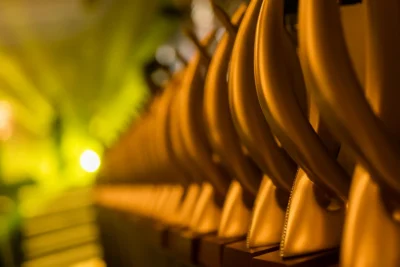
Why branded homes will remain hits for Thailand in 2019

Thai residential developers are poised to rope in more hotel brands with future projects as the scales of the property market tip toward overseas buyers and domestic demand goes through a period of adjustment.
New players in the residential market are expected to place emphasis on hotel residences due to vigorous foreign buyer sentiment and cooling local demand attendant on new mortgage regulations, according to Marciano Birjmohun, managing director at real estate agency DMRD.
“If you look at the overseas buyers, they’re looking for something with a brand, especially hotel-managed brands,” said Birjmohun, one of the judges at this year’s PropertyGuru Thailand Property Awards.
“If these brands come more and more, we can expect better property management, better services — all around they will offer more quality to the market,” he added.
The awards, set for August at The Athénée Hotel, have introduced a new category, Best Hotel Residence, to reflect changing tastes in the sector.
“The categories change on an annual basis to reflect what is happening in the real markets,” said Jules Kay at a media event for the awards yesterday in Bangkok.
Thailand now accounts for seven percent of branded residential schemes globally, making it the world’s second biggest country market. Along with New York, Miami, and Dubai, Bangkok is one of the world’s biggest urban markets for such schemes; it plays host to at least 15 projects.

Despite a perceived decline in expatriate workers, Thailand remains one of the most-visited destinations in Asia, having ushered in a record 38 million tourist arrivals in 2018, with prospects of hitting 41 million this year. The kingdom is also rated the most popular country for home buying enquiries from China, according to the property portal Juwai.com.
“If you look at Chinese new year, the tourism numbers were amazingly good,” Birjmohun said. “Foreigners love Thailand; they love the essence of it.”
The industry is steeling itself for the implementation of new loan-to-value limits in April, with developers unloading stock at promotional incentives as more property seekers face higher downpayments.
Recommended
Is China’s housing market finally turning a corner?
Shanghai’s property revival raises hopes, but falling prices elsewhere point to a long recovery
Opportunity or trap? What Washington’s high-tech hub outside Manila means for Philippine property
The New Clark City Economic Security Zone promises billions in investment, but at what cost to Philippine sovereignty?

What Japan’s policy rate hike means for its property market
After decades of near-free borrowing, the country's policy rate is starting to reshape the calculations behind property investment

A conversation with the head of Vietnam’s Green Building Council on the cost of doing nothing
The VGBC’s Douglas Snyder argues that the real cost developers should fear isn’t building green. It’s failing to do so