What Sydney needs to do in the Asian century
The Australian city must not lag behind in terms of quality of life and connectivity, says demographer
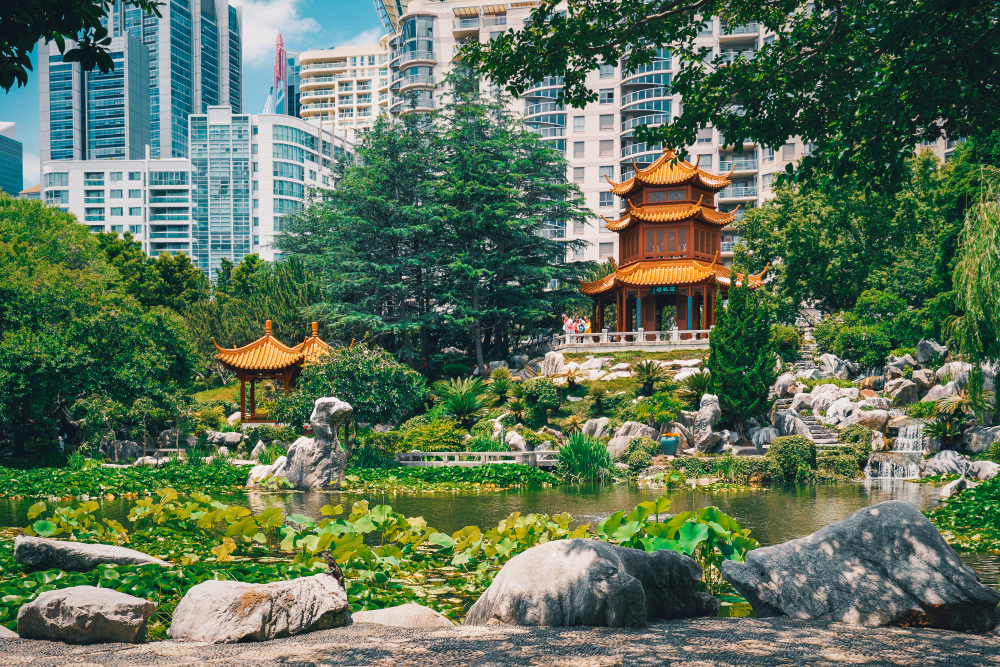
With Asia home to half the world’s middle class by 2020, neighbouring cities will have to make the necessary adjustments in quality of life and connectivity, according to Australian demographer Simon Kuestenmacher.
Sydney, in particular, must keep abreast of global infrastructure and liveability standards to cater to economies in Asia, which will be larger than the rest of the world combined in the next decade.
“In the knowledge-driven global economy, businesses will increasingly choose to establish offices in locations that are considered safe, liveable and well-connected-digital infrastructure in Sydney must not lag behind its global competitors,” advised Kuestenmacher via Xinhua.
More: After Australia, acclaimed designer sets sights on Thailand
“Fast internet, a truly interconnected and smooth transport network and affordable housing will be key to attracting top global talent.”
Sydney Lord Mayor Clover Moore concurs, saying businesses in the New South Wales metropolis need to engage with commercial and investment opportunities in Asia as well as the supply chains that cut through the region.
“A growing number of Australian jobs depend on the demand from Asia, so it’s imperative that Sydney works together with neighbouring cities to create smart, sustainable, and global economies with a high quality of life,” Moore said.
Sydney is a “prime location” for tourists and business professionals alike, Kuestenmacher added.
Recommended

Gulf property markets trade panic for prudence
War upends West Asia, but property markets from Dubai to Riyadh refuse to break and attempt to regain their footing
Is China’s housing market finally turning a corner?
Shanghai’s property revival raises hopes, but falling prices elsewhere point to a long recovery
Opportunity or trap? What Washington’s high-tech hub outside Manila means for Philippine property
The New Clark City Economic Security Zone promises billions in investment, but at what cost to Philippine sovereignty?
What Japan’s policy rate hike means for its property market
After decades of near-free borrowing, the country's policy rate is starting to reshape the calculations behind property investment