Vietnam’s coastal real estate presumes a slow rebound due to outbreak
Transactions fell by 97 percent in July, while supply dropped to its lowest level since the first quarter of this year
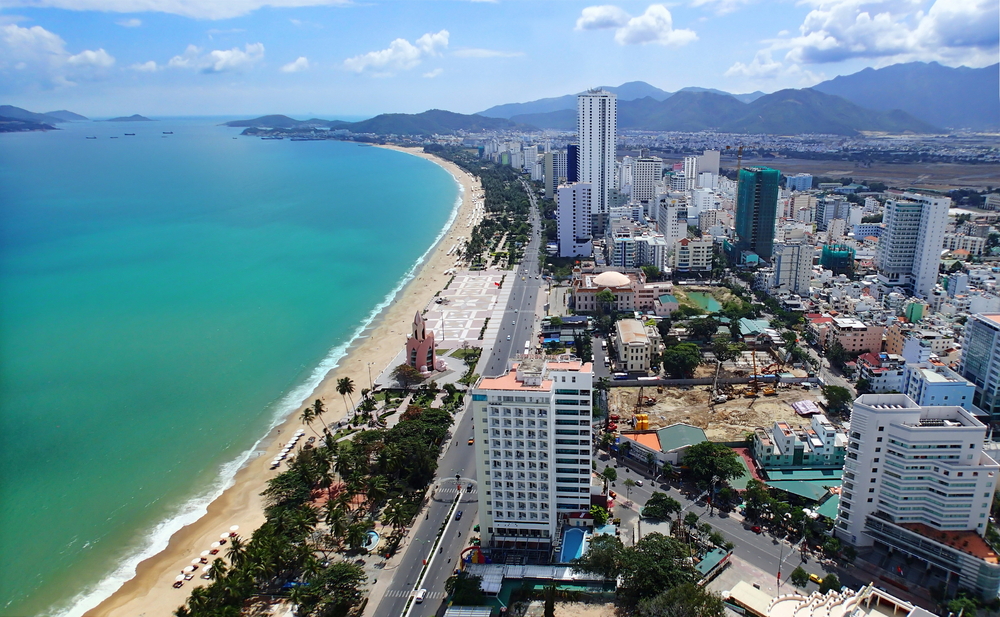
According to DKRA Vietnam, the number of transactions for condotels, villas, town- and shophouses in Vietnam’s coastal tourism cities decreased in July due to COVID-19 outbreaks, reported VN Express.
As 19 southern cities and provinces imposed social distancing regulations, no condotel projects were introduced into the market last month.
In July, only one project that offered 26 seafront town- and shophouses were offered, an 89 percent decline compared to June. Meanwhile, sales dropped by 97 percent.
The supply and liquidity of this property segment decreased to their lowest level since Q1 2021.
Additionally, 179 seafront villas of four projects were launched onto the market, in which 21 were sold and accounted for 12 percent of total transactions.
More: Vietnamese investors are shifting their interest from land to apartments
Most of the villas sold are situated in the central province of Binh Dinh.
DKRA Vietnam added that the supply and liquidity of condotels, villas, town- and shophouses in such coastal tourism cities are expected to recover slowly. Rebound will depend on the containment of COVID-19 and the progress of the vaccination rollout.
The Property Report editors wrote this article. For more information, email: [email protected].
Recommended

This cybersecurity pioneer explains why digital resilience is becoming real estate’s next quality benchmark
Duncan Simpson on the hidden vulnerabilities in connected buildings and why cyber risk is now a property issue

6 projects raising the bar for workplaces across Asia
Smarter systems, tighter operations, and rising occupier expectations redefine the commercial building

As foreign buyers retreat, a new generation of Singaporeans steps up
Affluent locals underpin stability, but a widening gulf between launches and resales reshapes the landscape

Vietnam’s developers and policymakers see openings as buyers chase affordability
Tight supply and rampant speculation push house prices beyond the reach of domestic buyers